













Story Highlight
– MHRA launches regional ‘sandboxes’ for NHS innovations.
– Safe environment for testing new technologies created.
– Manchester Sandbox focuses on AI and medical devices.
– Aims for equitable access to new technologies nationwide.
– First technologies include AI tools for patient risk identification.
Full Story
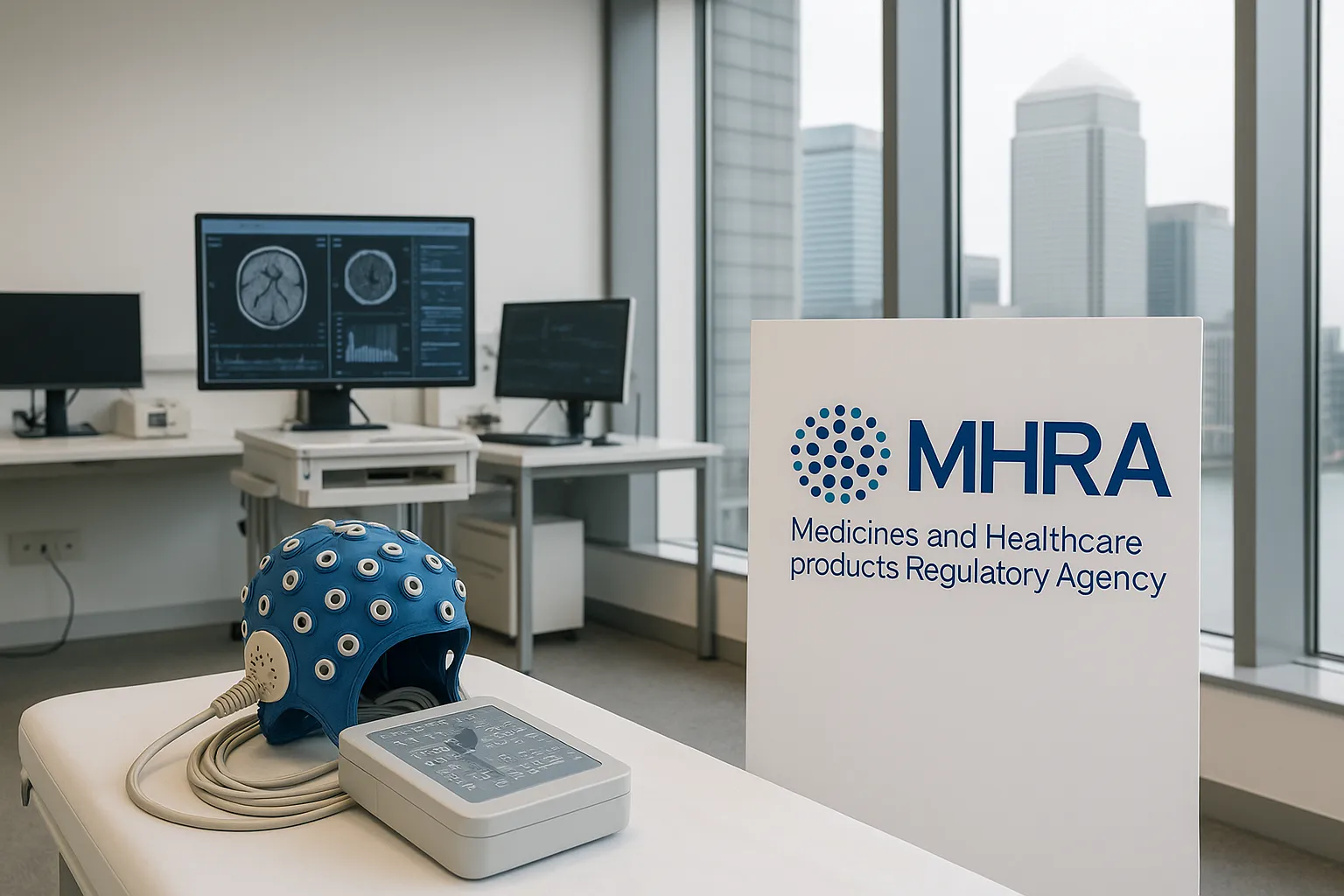
The Medicines and Healthcare products Regulatory Agency (MHRA) has unveiled a new initiative aimed at fostering innovation within the NHS by launching regional ‘sandboxes’ in collaboration with Manchester University NHS Foundation Trust (MFT). This development represents an expansion of MHRA’s existing centralised programmes and seeks to provide an environment conducive to the testing of emerging health technologies, particularly in the fields of artificial intelligence and predictive analytics.
These sandboxes are designed to provide a monitored and secure space where innovators, researchers, and healthcare providers can trial new devices and systems. By establishing localised testing environments, the MHRA aims to ensure that new technologies can be evaluated in real-world NHS settings, thereby generating vital evidence on their effectiveness and applicability in everyday clinical practice.
The agency’s current centralised initiatives focus on two areas: the utilisation of software or AI classified as a medical device and the application of AI in refining the processes of drug development and monitoring medication safety. These programmes operate from the MHRA’s base in Canary Wharf, London. The introduction of the Manchester Sandbox will offer a complementary local approach, wherein new innovations can be thoroughly assessed before potentially being implemented across broader NHS frameworks.
One of the primary intentions behind the establishment of these regional hubs is to create a cohesive regulatory network that spans the UK. This network aims to facilitate swift and equitable access to cutting-edge technologies, ensuring that healthcare advancements benefit all regions without delay. The MHRA is actively considering expanding this sandbox model to incorporate additional areas throughout the country, indicating a broader vision for innovation within the healthcare sector.
Through the Manchester initiative, patients in the region could experience improved outcomes, such as earlier interventions and tailored treatments, alongside enhanced access to validated new technologies. For NHS trusts, these advancements may translate into increased patient safety measures and alleviation of demands on an already stretched healthcare system.
The initial technologies earmarked for evaluation in Manchester include AI-driven medical devices that aid in identifying patients at elevated risk of complications associated with chronic conditions. This early identification is crucial in facilitating prompt treatment and support, thereby improving overall patient care.
Health Innovation Minister James Frith remarked on the significance of this initiative, stating, “Manchester is leading the way in getting the best new technologies into the hands of local patients faster – from AI models that can identify people at risk sooner to innovative treatments that could transform NHS care.” He emphasized the importance of prioritizing safety alongside innovation, asserting that the partnership will rigorously assess new technologies within genuine NHS environments while maintaining strict regulatory oversight. This approach aims to discern which innovations are effective in a controlled manner, ultimately benefitting patients throughout Greater Manchester.
To further the programme, the MHRA is seeking to engage medical device developers who wish to participate in the next phase of the sandbox projects. Later this year, a joint roundtable discussion with MFT is planned, where stakeholders will collaborate to refine the objectives and outline forthcoming projects. This meeting stands as an opportunity for innovation leaders to share insights and questions shaping the future of medical technology testing within the healthcare landscape.
The establishment of the Manchester Sandbox not only signifies a forward-thinking approach to medical technology but also underscores the importance of localised clinical environments in the advancement of healthcare solutions. By gathering real-world data and feedback from both healthcare professionals and patients, the initiative aims to translate technological advancements into tangible health improvements.
In conclusion, with the launch of the Manchester Sandbox, the MHRA is positioning itself to enhance the developmental landscape for medical technologies in the UK. Through partnerships with local entities like the Manchester University NHS Foundation Trust, the agency is committed to refining the journey of innovative products from concept to patient implementation. As this initiative progresses, it holds the potential to reshape how emerging technologies are integrated into everyday NHS practices, ultimately serving the best interests of patients nationwide.
Our Thoughts
The article highlights the introduction of regional ‘sandboxes’ for NHS innovations, which aim to safely test new technologies. To avoid potential risks associated with untested innovations, robust risk assessment protocols should have been implemented from the outset. The Health and Safety at Work Act 1974 emphasizes that employers must ensure, as far as reasonably practicable, the health and safety of their employees and others affected by their activities.
Key lessons include the necessity for comprehensive training for all personnel involved in these innovations, along with stringent oversight mechanisms to monitor the implementation of new technologies. Clear guidance on the application of existing regulations related to medical devices, such as the Medical Devices Regulations 2002 (as amended), could mitigate the potential for misuse or adverse outcomes.
To further prevent similar incidents, detailed operational procedures and contingency plans should be established for each innovation trial. Engaging stakeholders in risk management discussions and promoting transparency can help ensure that innovations do not compromise safety. Continuous monitoring and evaluation throughout the deployment phase will also be essential in ensuring compliance with UK health and safety legislation.