














Story Highlight
– 126 workers died in work-related incidents in 2025/26.
– Agriculture, forestry, and fishing had highest fatality rate.
– Construction recorded the most absolute workplace fatalities.
– Manufacturing and transportation also notably dangerous industries.
– Employers must prioritize specific risk assessments and training.
Full Story
The Health and Safety Executive (HSE) has released its latest statistics revealing that 126 workers lost their lives in work-related incidents across Great Britain during the 2025/26 fiscal year. These figures highlight ongoing dangers in various sectors, illuminating the specific risks that employees face on a daily basis.
The construction sector reported the highest overall number of fatalities, while agriculture, forestry, and fishing exhibited the most alarming fatality rate relative to workforce size. The figures are indicative of serious hazards across these industries and others, raising significant concerns regarding worker safety in environments frequently associated with high-risk activities.
**Agriculture, Forestry, and Fishing: The Most Hazardous Industry**
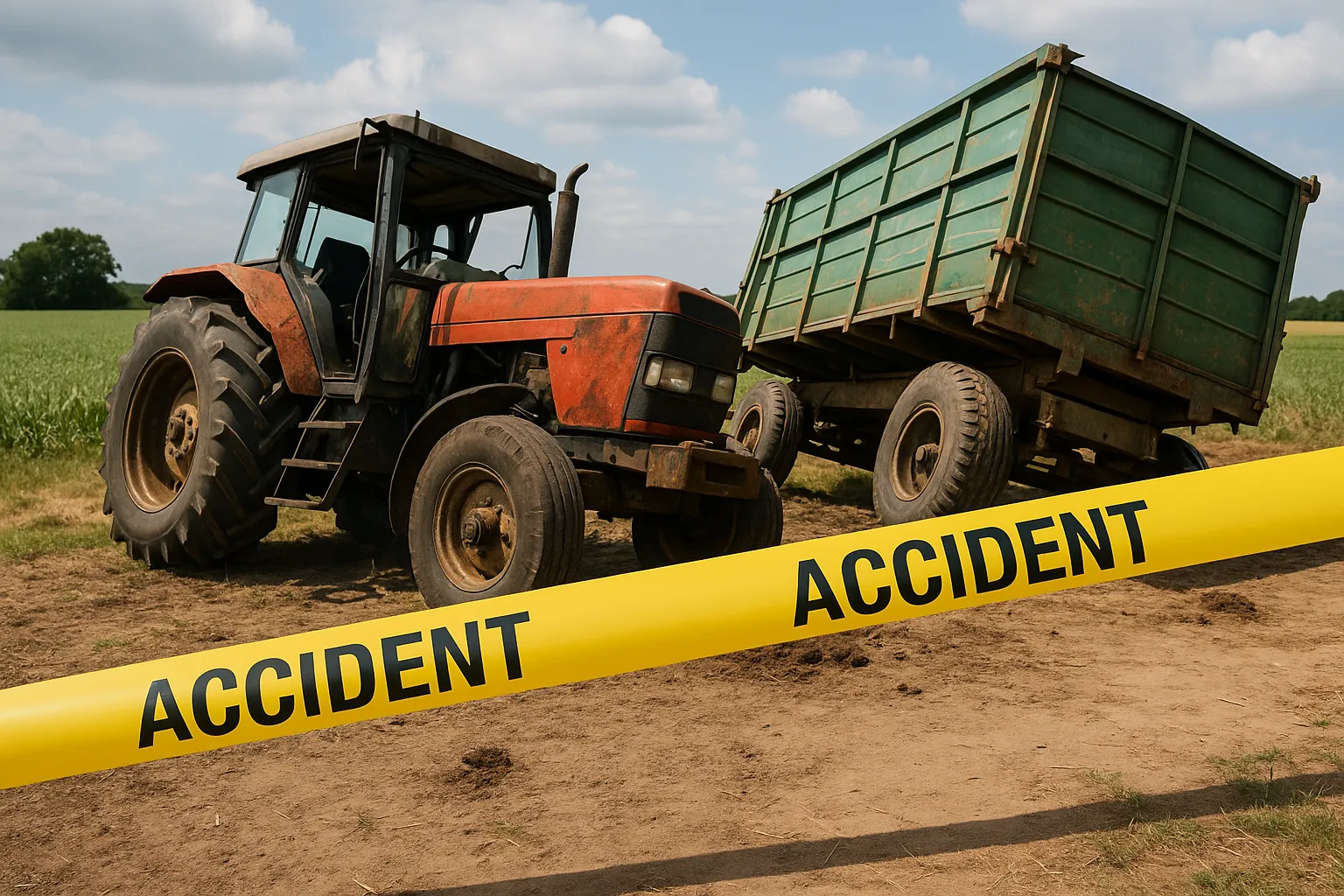
The agriculture, forestry, and fishing sector retained its status as the most perilous major industry in Britain, as evidenced by the HSE’s latest data. The sector accounted for 22 fatalities in the 2025/26 period, translating to a staggering fatal injury rate of 8.09 per 100,000 workers. This figure starkly contrasts with the national average of 0.37 per 100,000 workers.
Workers in these fields encounter numerous dangers, including heavy machinery, moving vehicles, and potential interaction with farm animals. The risk of falls from height and exposure to hazardous materials further compounds these dangers. A concerning aspect of agricultural work is the prevalence of lone working, where individuals may operate machinery in isolated areas with no immediate help available in the event of an accident. This vulnerability has sparked calls for improved training, routine maintenance, and stringent adherence to safety protocols to mitigate the inherent risks involved.
**Waste and Recycling: A Growing Concern**
The waste and recycling industry has also emerged as one of the more dangerous sectors when considering fatality rates. The HSE reported six deaths within this sector in 2025/26, resulting in a fatal injury rate of 5.47 per 100,000 workers—almost 15 times the national average.
Throughout their work, employees in the waste and recycling sector are exposed to numerous hazards, including heavy vehicles and industrial machinery. The potential for serious accidents increases significantly if proper safety measures are not implemented. Workers must navigate around moving vehicles, making segregation of pedestrian and vehicle traffic essential. Employers are urged to ensure that workers receive appropriate training to understand the dangers associated with their roles and the equipment they operate.
**Construction: A Leading Sector for Fatalities**
The construction industry reported 25 fatalities in 2025/26, making it the sector with the highest absolute number of fatalities in the UK. This industry presents various risks, including falls from height—identified as the leading cause of work-related deaths, claiming 31 lives across all sectors that year. In fact, falls from height constituted over half (53%) of all fatal injuries in construction over the past five years.
Other notable hazards include being struck by moving or falling objects and accidents involving vehicles. Although the use of personal protective equipment (PPE) can enhance safety, it cannot fully safeguard against the potential dangers present on construction sites. Therefore, employers are encouraged to conduct thorough risk assessments, offer comprehensive training, and establish safe working procedures tailored to the specific conditions of the site.
**Manufacturing: Risks in Heavy-Duty Work**
The manufacturing sector was responsible for 18 workplace fatalities in the same reporting period, further establishing its reputation as a risky area of employment. Workers regularly operate around heavy machinery and may be exposed to dangerous environments and processes that could result in severe injuries.
Injuries can arise from manual handling, with the HSE noting that an estimated 511,000 workers in Great Britain were affected by work-related musculoskeletal disorders in the previous year. Therefore, ensuring safe machinery operation, regular maintenance, training, and risk management procedures are critical in the manufacturing environment.
**Transportation and Storage: Navigating Hazards on the Move**
The transportation and storage sector experienced 15 worker deaths during the 2025/26 timeframe. This segment encompasses various roles, including drivers, warehouse personnel, and logistics staff engaged in vehicle maintenance and operations.
The risks associated with moving vehicles are significant, with 24 fatalities attributed to being struck by vehicles in Great Britain during the same year, making this one of the top causes of workplace fatalities following falls from height. Warehouse and logistics roles also present physical hazards such as manual handling and encounters with heavy equipment. Given the unique challenges of the transportation sector, employers must ensure comprehensive safety management encompassing all potential hazards, not just those related to road safety.
**Expert Insights on Risk Management**
John McGuire, Director at Velappity—a digital health and safety compliance platform—emphasizes the need for businesses to thoroughly identify risks and proactively address them. He articulated, “Britain has made enormous progress on workplace safety, but these figures show that significant risks remain, particularly in industries where employees are working around heavy machinery, moving vehicles, hazardous materials or at height.”
McGuire advocates for tailored risk assessments that reflect actual working conditions, highlighting the necessity for robust training for employees, especially given the evolving nature of workplace environments.
**Workplace Injuries Beyond Fatalities**
It is essential to note that fatalities are just one aspect of workplace safety. The HSE’s figures indicate that approximately 680,000 workers reported non-fatal injuries in 2024/25. Common injuries consisted of slips, trips, falls, handling-related issues and being struck by objects. Such statistics reveal the pervasive risks workers encounter, even beyond high-visibility sectors like construction and manufacturing.
**Long-term Health Risks and Mental Well-being**
Not all workplace hazards result in immediate physical harm. Many workers suffer from long-term health issues related to their occupations, with musculoskeletal disorders affecting a significant number. Additionally, mental health considerations have surfaced as critical, with figures suggesting nearly a million workers experienced stress, anxiety, or depression linked to their work conditions.
**The Responsibility of Employers**
Legally, employers have a responsibility to safeguard their employees’ health and safety. This includes conducting comprehensive risk assessments and implementing adequate safety measures for varied hazardous activities. While it may not be possible to completely eliminate risk, the objective remains to minimize the likelihood of serious harm, as demonstrated by the ongoing incidents recorded by the HSE.
As the recent statistics illustrate, efforts to improve workplace safety are a continuous journey for high-risk industries. Employers must commit to prioritising robust safety protocols, thorough training, and ongoing maintenance to protect their workers in the face of potential dangers.
Our Thoughts
To address the high workplace fatality rates and learn from the incidents reported, several measures could have been implemented:
1. **Enhanced Risk Assessments**: Employers must conduct thorough and specific risk assessments tailored to the unique hazards of each sector, particularly in industries like agriculture, construction, and waste management, where risks are significant.
2. **Improved Training**: Regular and comprehensive training for workers to understand potential hazards associated with machinery and their work environment is vital. Employers should not only provide written safety procedures but ensure that workers are familiar with them through hands-on practice.
3. **Lone Worker Protocols**: For industries with a high incidence of lone working, such as agriculture, robust protocols should be established, including regular check-ins and emergency contact systems, to mitigate risks associated with working in isolation.
4. **Maintenance of Equipment**: Regular maintenance and safety checks of machinery can prevent incidents caused by malfunctions or improper handling.
5. **Compliance with Regulations**: The Health and Safety at Work Act and the Management of Health and Safety at Work Regulations require employers to take reasonable steps to protect employees. Breaches could include inadequate risk assessments, insufficient training, and failure to provide safe systems of work.
By adopting these strategies, similar incidents can be prevented, ensuring a safer work environment across high-risk industries.