















Story Highlight
– New guidance introduced for engineered stone firms.
– No worker should die from job-related lung diseases.
– Campaign includes over 1,000 inspections to ensure compliance.
– Spokesperson emphasizes worker safety and health standards.
– Aim to prevent lung diseases in the workplace.
Full Story
New measures have been introduced to enhance workplace safety for employees handling engineered stone, responding to the growing concerns surrounding lung diseases linked to this material. In a proactive move, authorities have released comprehensive guidance outlining acceptable practices for companies that work with engineered stone, marking a significant step towards protecting workers from health hazards associated with their jobs.
The newly established guidelines aim to provide clarity for employers regarding the risks of exposure to harmful substances found in engineered stone, which can lead to serious respiratory conditions. The decision to implement these regulations stems from an increasing recognition of the dangers that workers face in this industry.
Moreover, as part of the initiative, a substantial campaign has been launched, comprising over 1,000 inspections across various businesses involved in the processing of engineered stone. This rigorous enforcement strategy is designed to ensure compliance with the new guidelines and to promote safer working environments for all employees.
Speaking on the importance of these measures, a spokesperson emphasized the commitment to worker safety, stating, “No worker should lose their life to a lung disease caused by their job.” This clear stance underscores the gravity of the situation, highlighting the need for immediate action to prevent further health crises associated with workplace environments.
The inspections will be carried out by trained officials who will assess whether firms adhere to the new standards. This approach aims not only to identify potential violations but also to educate employers about best practices for safeguarding their workers. By ensuring that companies implement the necessary precautions, the campaign seeks to significantly reduce the risk of lung diseases linked to exposure to engineered stone dust.
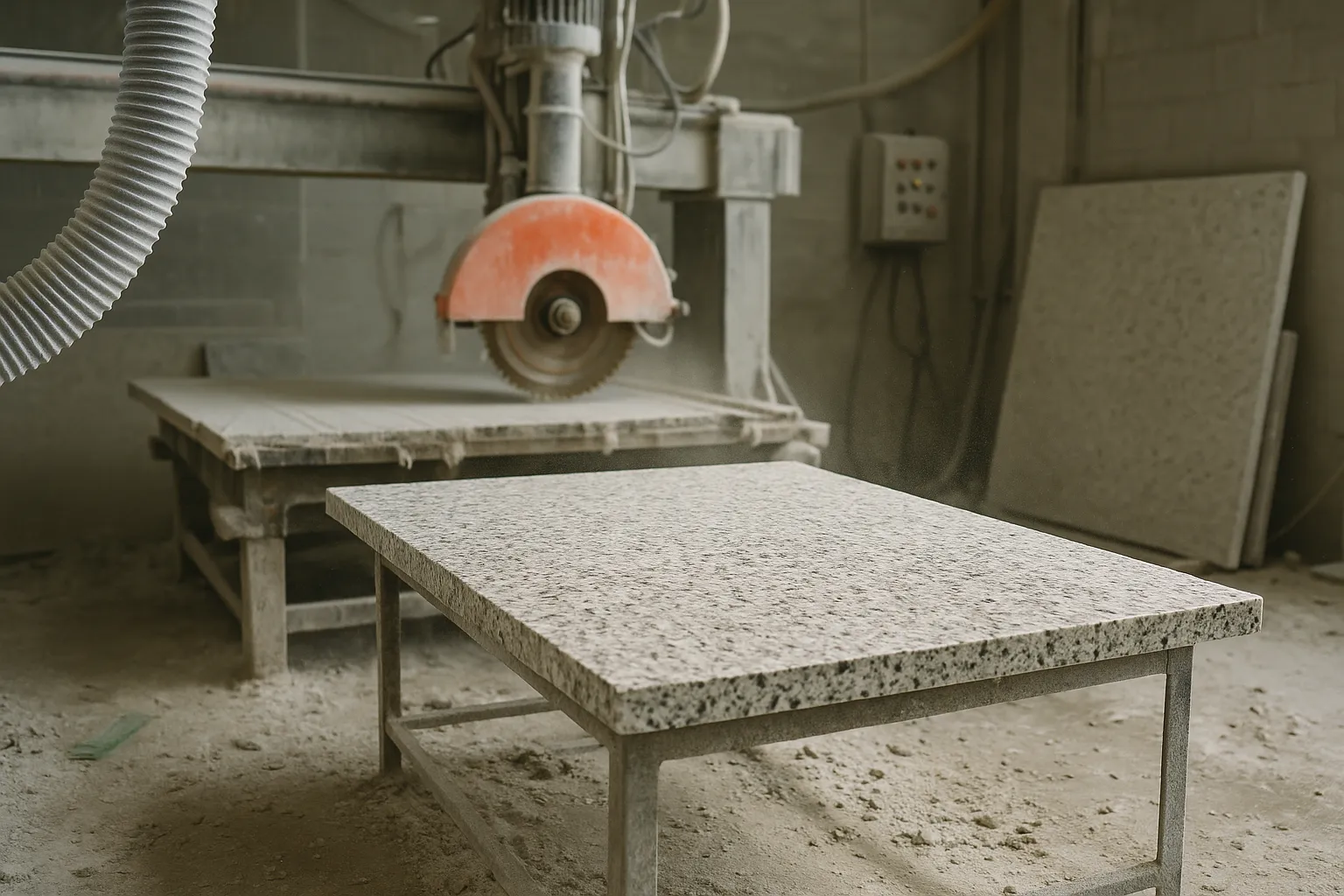
The decision to address these issues comes in light of mounting evidence that prolonged inhalation of dust produced during the cutting, grinding, and polishing of engineered stone can lead to serious health concerns, including silicosis and other respiratory illnesses. These conditions can have debilitating effects on workers, ultimately impacting their quality of life and their ability to work.
Experts have noted that the engineered stone industry has grown rapidly in recent years, leading to increased demands for safety regulations. The intricate processes involved in creating and working with this material can expose workers to high levels of silica dust, necessitating urgent attention and intervention from regulatory bodies. Occupational health specialists have urged for long-term solutions to these systemic issues, advocating for increased training and awareness within the industry.
The introduction of these guidelines and inspections marks a critical moment in the ongoing dialogue around workplace safety and the protection of workers’ health. Stakeholders in the industry are encouraged to engage with the new regulations, ensuring that they are well-informed and prepared to implement necessary changes. This collaboration between regulators and employers is essential for achieving the overarching goal of eliminating preventable work-related diseases.
In addition to immediate health protections, there is also a call for ongoing research into the long-term effects of exposure to engineered stone dust. As more is understood about the implications of these materials, the industry can adapt and innovate in ways that prioritize health and safety without compromising productivity.
Trade unions and workers’ advocacy groups have welcomed the introduction of these guidelines, viewing them as a significant advancement in worker protection laws. Unions have been vocal proponents of health and safety reforms, asserting that enhanced regulations are essential for preventing tragedies related to workplace exposure to hazardous materials.
As these new measures take effect, there will be ongoing monitoring and evaluation to assess their impact on worker health and safety. The regulatory body aims to gather feedback from both employers and employees to refine and improve the guidance continuously. This feedback loop will be vital in ensuring that the guidelines effectively address the evolving risks in the industry.
With these proactive measures in place, there is hope for a future where no worker has to suffer the consequences of a preventable lung disease. The commitment to rigorous inspection and enforcement reflects a broader societal shift towards prioritizing health and safety in all work environments, particularly in industries with known risks.
As the campaign progresses, it will seek to foster an environment of accountability, urging employers to take their responsibilities seriously. Ensuring the health of the workforce not only benefits the individuals involved but also enhances overall productivity and morale within the industry.
The path forward requires a united effort among all stakeholders, including government agencies, industry leaders, and workers themselves, to create safer workplaces for generations to come. As awareness grows and regulations tighten, there is optimism that the detrimental impact of lung diseases linked to engineered stone can be significantly mitigated.
Our Thoughts
The article highlights the introduction of new guidance and an inspection campaign aimed at addressing lung diseases linked to working with engineered stone. To prevent such incidents, companies could enhance worker safety by implementing stricter control measures to limit exposure to respirable crystalline silica, which is heavily regulated under the Control of Substances Hazardous to Health (COSHH) Regulations 2002.
Key safety lessons include the need for comprehensive risk assessments and the establishment of effective health surveillance programs to monitor workers’ lung health. Adequately training employees on safe handling practices and providing appropriate personal protective equipment (PPE) can significantly reduce the risks associated with engineered stone.
Relevant regulations that may have been breached include failure to comply with COSHH, which mandates controlling hazardous substances and ensuring that exposure to such substances is prevented or adequately controlled. To avoid similar incidents, companies should prioritize regular audits of health and safety practices, increase awareness of risks among employees, and cultivate a workplace culture that prioritizes health and safety compliance.