















Story Highlight
– Pharmacy owner warns of severe UK medication shortages.
– Statin prices surged from £1 to £22 overnight.
– Pharmacies struggle to provide essential medications daily.
– Government urged to address medicine supply crisis.
– NHS reimbursement rates unchanged despite rising drug costs.
Full Story
A pharmacy owner in Bristol has sounded the alarm over significant difficulties faced by patients reliant on vital medications, amidst widespread shortages affecting various medicines in the UK. Mo Almobaraki, who owns two pharmacies and has been in the sector for over 20 years, highlighted the alarming escalation in the costs and availability of essential drugs, particularly statins, which are commonly prescribed to lower cholesterol.
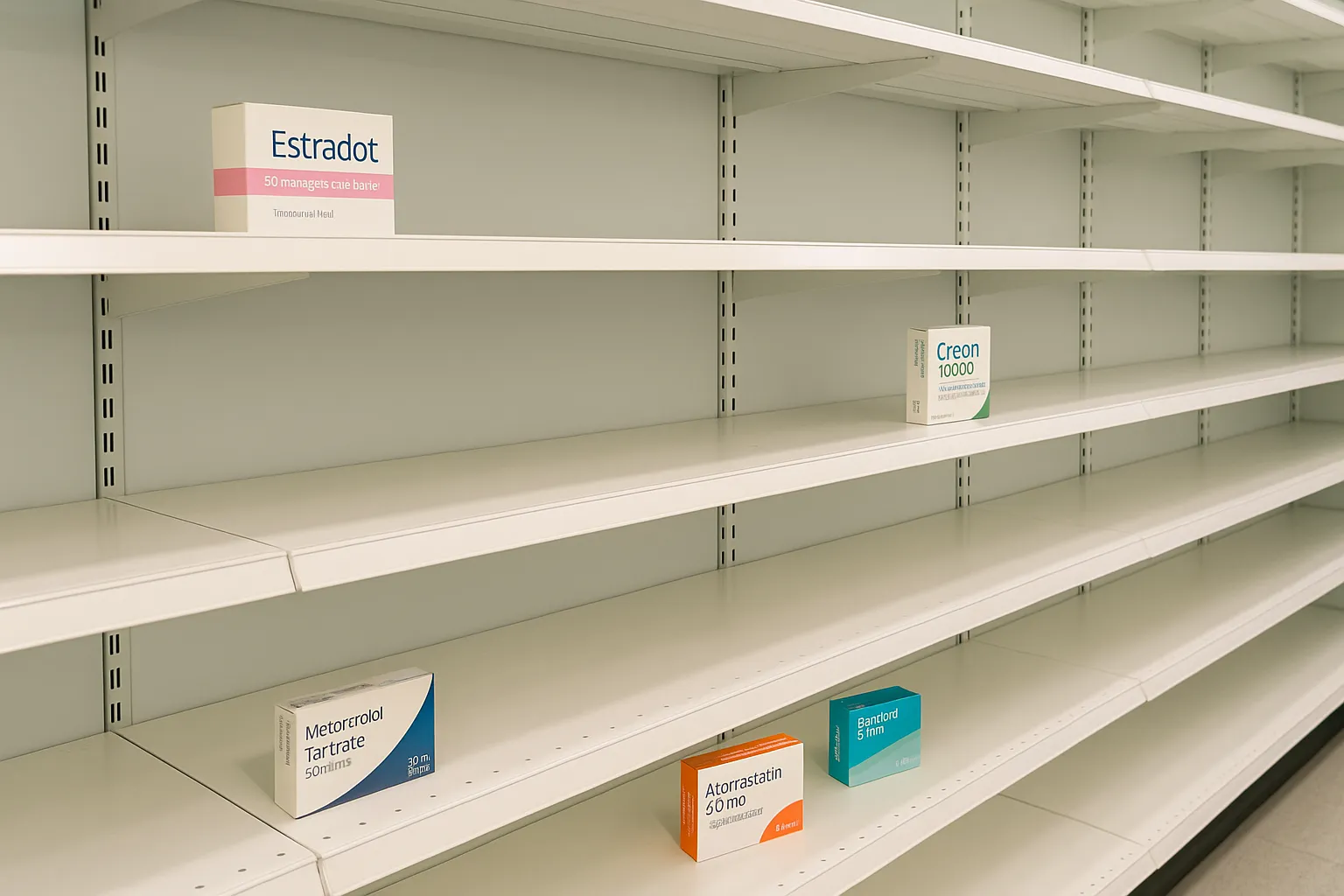
Mo described the current situation as “the most severe drug shortage on record,” with a diverse range of medications including blood pressure treatments, heart medications, hormone replacement therapies (HRT), and Creon—used for managing pancreatic insufficiency—now frequently unavailable. This has raised serious concerns, particularly regarding elderly patients who depend heavily on these medications.
The pharmacy owner provided a stark illustration of the challenges facing patients. He revealed that the cost of a certain statin surged from £1 to £22 in the span of just one week. Given that around five million people in England are currently prescribed statins, he noted that this spike in price reflects a broader trend impacting numerous medicines across the nation. Olivia Picard, chair of the National Pharmacy Association (NPA), corroborated this troubling reality, stating that current shortages are among the worst the UK has ever seen, affecting thousands of community pharmacies and their ability to serve patients effectively.
“The patients are really worried, especially the elderly,” Mo expressed. “They are having a hard time accessing the medications they need. It’s become exceedingly challenging, and the situation is dire.”
While pharmacies typically receive reimbursement from the NHS for the medications they dispense, Mo explained that the rising costs have created extensive financial strain on his business. He pointed out that as the prices for drugs continue to rise, the NHS reimbursement rates remain stagnant, putting pharmacies in a difficult position. “We are forced to either refuse to dispense medication due to unavailability or to purchase it at inflated prices. In either case, we could be operating at a loss,” he said.
The ramifications of these shortages are serious. Mo warned that patients may face significant hurdles in obtaining their medications, which directly impacts their health. “If we can’t provide what patients need, it not only endangers their safety but also forces them to jump between pharmacies in search of essential drugs,” he elaborated.
He also noted a considerable increase in workload for pharmacy staff. “We are compelled to exhaust all means—contacting various suppliers and wholesalers or coordinating with doctors to find alternative treatments,” he said, emphasizing that these challenges predate the recent surge in costs. “The issues have been intensifying since the pandemic began; it’s gradually worsened over the last few years,” he added.
In response to rising shortages, the NHS has issued Serious Shortage Protocols (SSPs) to manage specific medications like Creon and Estradot. The protocols for Creon have been in effect since May 2024 and have since been extended, with the latest expiry set for July 10. Similarly, the protocols for Estradot have been in place since December 2024. Such measures illustrate the ongoing struggle to maintain adequate supplies of these vital medications.
Furthermore, Mo pointed out that his business has been squeezed by the introduction of the Pharmacy First scheme, designed to enable NHS pharmacies to provide prescriptions for minor health issues. While this initiative aimed to reduce pressure on the broader NHS services, it has coincided with escalating demands for medications amid shortages.
Mo believes that government intervention is crucial in resolving these issues. He advocated for stronger measures to ensure a steady supply of medications and for negotiations with wholesalers to improve accessibility. “The government has a pivotal role in addressing the ongoing shortages,” he insisted. “We feel somewhat helpless at the pharmacy level regarding why these medicines are not available.”
He stressed the ethical dilemma faced by pharmacy professionals, reiterating that refusal to dispense medications due to pricing is not an option. “We cannot say we won’t provide a prescription because the cost exceeds our reimbursements. We must ensure patient safety, which often leads us to purchase medicines at a financial loss,” he said.
In a statement addressing concerns over medicine availability, a spokesperson from the Department of Health and Social Care reiterated that the majority of licensed medicines in the UK are consistently available. “Patients should be assured that when visiting pharmacies, prescriptions will be fulfilled,” the spokesperson affirmed. Furthermore, they highlighted ongoing investments aimed at bolstering the UK’s medicine manufacturing sector to strengthen future supply chains.
As the healthcare system strives to navigate this evolving landscape, the challenges faced by pharmacies like Mo’s underscore the critical importance of ensuring that patients have reliable access to the medications that are essential for their health and well-being. The ongoing shortages and rising costs raise important questions about the resilience of supply chains and the need for supportive measures from government authorities to safeguard public health.
Our Thoughts
The article highlights significant issues regarding the shortage of essential medications and the implications for patient safety. To mitigate such occurrences, several steps could have been taken:
1. **Supply Chain Oversight**: Stricter regulation and monitoring of the pharmaceutical supply chain could ensure a more stable supply of essential medicines, aligning with the Medicines Act 1968 and ensuring compliance with the Supply of Medicines (General Sale List) Order.
2. **Government Intervention**: Early intervention by government agencies to control and negotiate pricing with wholesalers could prevent drastic price increases and shortages. The Department of Health and Social Care must engage actively to uphold the Health and Safety at Work Act 1974, ensuring that pharmacies do not operate at a financial loss which compromises safety.
3. **Improved Demand Management**: Better forecasting and management of demand through collaborative strategies between pharmacies and the NHS, especially following policy changes like the Pharmacy First scheme, would alleviate pressures on both sides.
4. **Communication Enhancement**: Strengthening communication between pharmacy owners and regulatory bodies can help identify potential shortages early on, facilitating preemptive measures.
These actions could address the systemic deficiencies that contribute to medication shortages and enhance overall patient safety.