















Story Highlight
– Ian Richards has extensive military and emergency response experience.
– Petans offers realistic training for emergency scenarios.
– Courses improve decision-making under pressure in real situations.
– Training emphasizes human factors in emergency response.
– Safety measures ensure secure training environments and exercises.
Full Story
Ian Richards, who oversees training and operations at Petans, elaborates on the crucial role played by the company’s courses in ensuring safety during emergency scenarios.
Richards’ extensive experience in emergency response stems from a decade spent in the military, during which he specialised in command and operational control during crisis situations. Following his military tenure, he dedicated 14 years to a local authority fire and rescue service, where he honed his skills in managing incidents and taking charge in command roles. His dual experiences provide him with a comprehensive understanding of command strategies that, while differing slightly between military and civilian spheres, share core principles.
A keen interest in human factors significantly informs Richards’ approach to emergency response training. He has developed a specialised training course focused on these elements, which is incorporated into both Petans’ offshore training programmes and customised training sessions for various organisations, including the Ministry of Defence and Home Office.
Exploring the distinction between emergency response and health and safety, Richards emphasises that while both areas are essential, they serve different purposes. Health and safety practices aim to establish systems that prevent risks and reduce hazards, ideally averting incidents before they happen. In contrast, emergency response is activated in the aftermath of an incident — whether it be a fire, an accident, or an injury. It is in these situations that effective management and command are paramount.
In the offshore sector, health and safety officers frequently engage in emergency response planning, as mandated by law. These plans are typically crafted from a health and safety perspective. However, as Richards points out, the reality of managing an incident can differ significantly from the planning stage. His experience in emergency response enriches these plans, providing clearer insight for organisations lacking such expertise. Petans actively supports clients in developing their emergency protocols and decision-making strategies.
Petans offers a diverse array of training courses tailored to enhancing emergency response capabilities. These include training for fire team members, emergency response team leaders, and heli-deck leaders. The instructors at Petans, all of whom hail from military or fire service backgrounds, bring invaluable real-life experience to their teaching. Their firsthand knowledge is critical in the context of teaching human factors and decision-making under pressure.
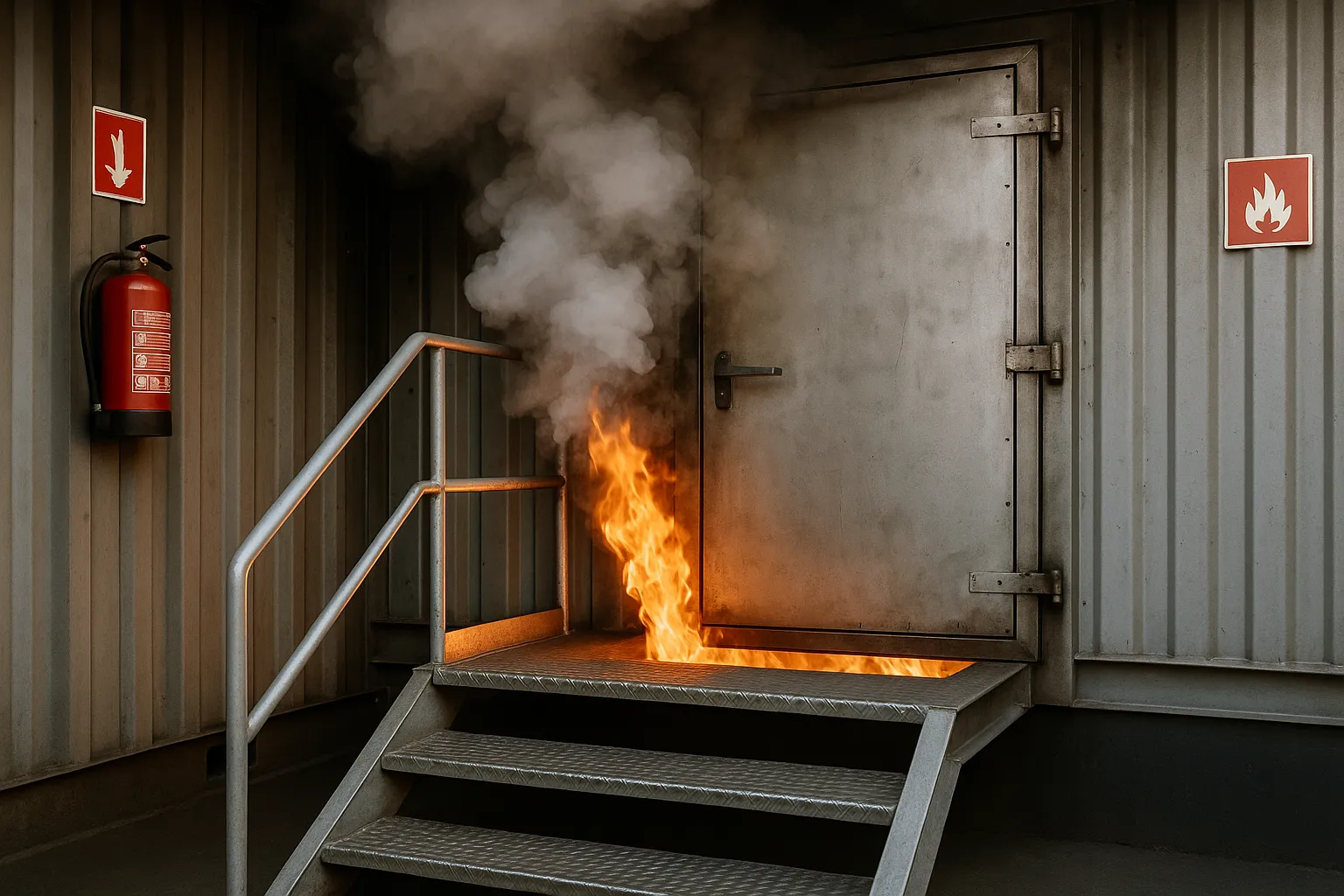
Richards highlights the importance of realism in training. By creating live scenarios that closely mimic real incidents, participants are encouraged to make decisions and, importantly, to learn from their mistakes in a controlled setting. For example, participants might engage in a simulated fire situation that escalates if not managed effectively, while also addressing various challenges such as rescues and logistical coordination. This hands-on approach equips trainees with the necessary tools and confidence to make informed decisions in high-pressure situations.
Safety remains a top priority in all training exercises at Petans. The organisation implements stringent safety measures, ensuring all instructors are qualified through the fire and rescue service. Training environments are meticulously designed to manage risks effectively; the fires used in simulations are gas-fired, allowing for controlled heat and the ability to switch flames on and off as needed.
Thorough briefings precede each exercise, with dedicated safety personnel assigned to oversee all activities. Instructors actively participate in exercises alongside trainees, including those on breathing apparatus, to maintain safety standards. This layered approach to oversight mirrors the operational practices of real-life fire and rescue services.
Richards advocates for hands-on training, asserting its pivotal role in developing instincts crucial for emergency scenarios. The concept of “perfect practice” underpins their philosophy, with realistic exercise repetition reinforcing the right responses in trainees. Although virtual training tools can serve as useful resources, they cannot replicate the intense physical and psychological dynamics of genuine crises.
The experience of dealing with a real incident is marked by heat, pressure, noise, and physical challenges that affect decision-making processes. For instance, while someone might practice extinguishing a fire in a virtual space, they miss the tactile sensations of heat and the visibility challenges posed by smoke. Petans’ training incorporates simulations that enable participants to experience these conditions, informing critical decisions regarding safe engagement during emergencies.
For further inquiries about Petans’ offerings, interested parties can reach out via email at info@petans.co.uk, call on 01603 891255, or visit their website at petans.co.uk.
This article also appears in Insight Energy magazine, which provides updates and developments from the UK’s energy sector. To read the latest publication, visit the magazine’s website.
Our Thoughts
The article emphasizes the importance of effective emergency response training and identifies areas for improvement in safety practices within organizations. To avoid incidents, companies should prioritize integrating health and safety strategies into emergency response plans, ensuring they are continually updated based on real-world insights. The lack of practical experience in emergency management could lead to inadequate preparations for crises.
Key safety lessons include the necessity for regular, realistic training scenarios that enhance situational awareness and decision-making under pressure, as highlighted by Ian Richards’ emphasis on hands-on training. Organizations should ensure that personnel involved in emergency planning have relevant operational experience, as this can bridge the gap between theoretical knowledge and practical application.
Relevant regulations, such as the Health and Safety at Work Act 1974 and the Management of Health and Safety at Work Regulations 1999, stress the importance of thorough risk assessments and effective emergency planning. Breaches may occur if inadequate training or insufficient supervision is implemented during emergency drills.
To prevent similar incidents, organizations should evaluate their training programs regularly, involving qualified professionals in both health and safety and emergency response training to enhance preparedness and compliance with legal standards.