















Story Highlight
– UK Athletics sentenced for Abdullah Hayayei’s tragic death.
– Profound sorrow expressed for Hayayei’s family and friends.
– UK Athletics acknowledges past failings and accepts responsibility.
– Significant changes implemented for improved safety and governance.
– Commitment to ongoing learning and support for athletics.
Full Story
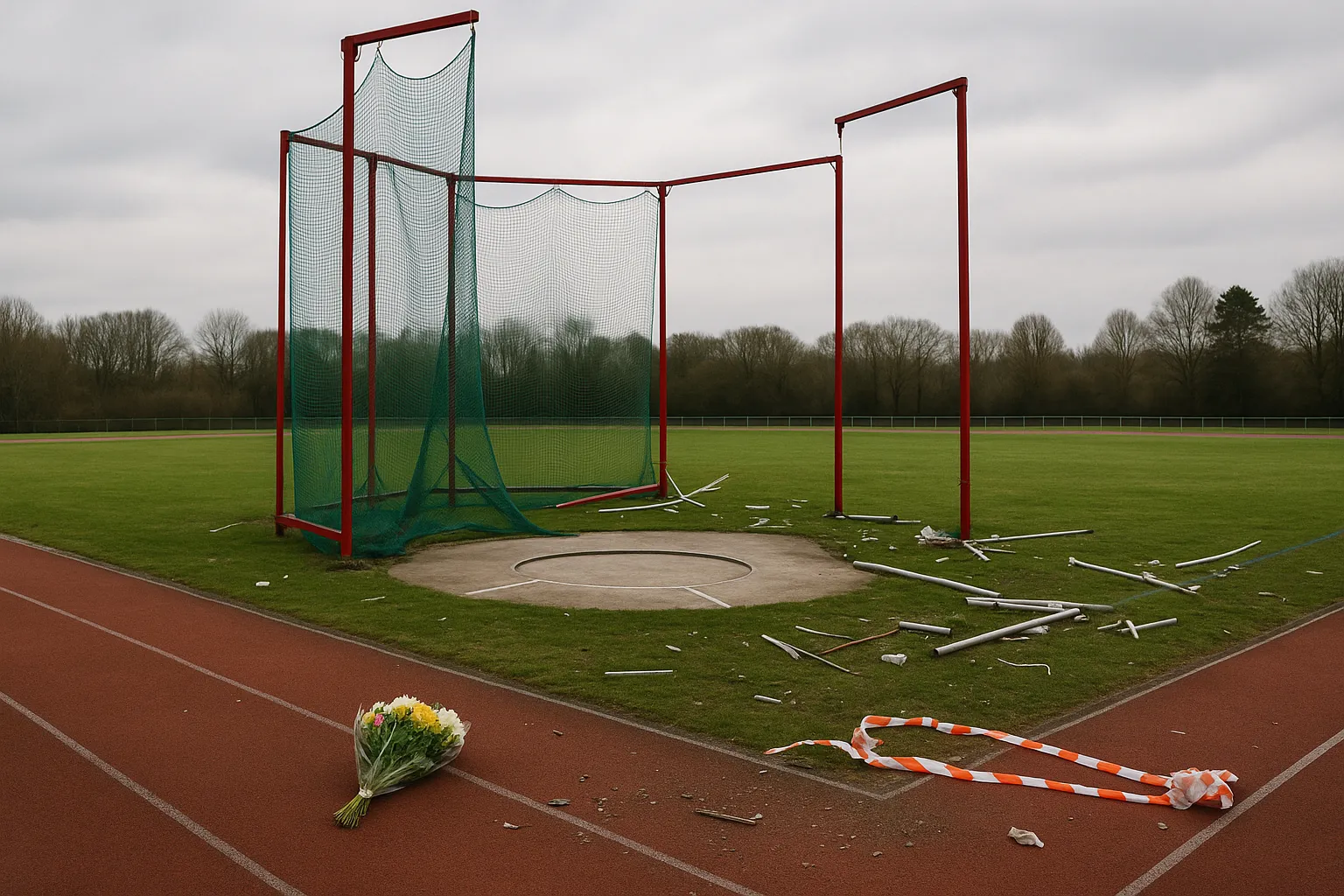
The recent sentencing of UK Athletics in connection with the devastating death of Emirati athlete Abdullah Hayayei has prompted a heartfelt response from the organisation, which has expressed deep regret over the incident that took place in July 2017 at a para-athlete training venue.
In a statement issued following the court’s ruling, UK Athletics conveyed its profound condolences to the family, friends, and supporters of Hayayei, emphasising that no legal proceedings can alleviate the sorrow they experience. The organisation expressed its continued thoughts for those grieving the loss of the athlete.
UK Athletics acknowledged the serious failings that led to this tragic incident, reaffirming its acceptance of responsibility. The governing body has committed itself to improving and reshaping its culture to ensure accountability and transparency in its operations. Leaders within the organisation, specifically Ian Beattie and Jack Buckner, have pledged to uphold the integrity of athletics while learning from past mistakes.
The recent court ruling concludes a lengthy legal process that has unfolded over several years, leaving many in the athletics community with pressing questions. UK Athletics aims to clarify its path forward and explain the measures instituted to address the shortcomings identified during the investigation.
Since the tenure of Beattie, who began his role in 2021, and Buckner, who joined in 2022, leadership has focused on fostering an organisational ethos rooted in values of transparency and accountability. They contend that accepting past errors and taking proactive steps to amend them is essential for rebuilding trust within the sport.
Reflecting on how the investigation was initially handled, the leadership acknowledged that their earlier stance does not align with current beliefs or practices within the organisation. Increased accountability, coupled with an honest admission of responsibility, is now seen as fundamental to UK Athletics’ approach. As a demonstration of this commitment, they chose to enter a guilty plea earlier this year and to face the court with the intention of embracing the repercussions of their actions.
Additionally, the leadership highlighted the challenging position of their co-defendant, Keith Davies, who also faced a guilty plea regarding health and safety matters. It was underscored that Davies has dedicated a significant portion of his life to athletics and has maintained integrity in his service to the sport. UK Athletics expressed its understanding of the personal difficulties Davies endured throughout this emotionally charged case, stating they have remained supportive during these trying times.
In light of the recent verdict, concerns have been raised among athletes, coaches, officials, and other stakeholders regarding the implications for the future of athletics in the UK. UK Athletics is hopeful that all involved will see the significant efforts taken to evolve the organisation and improve its culture, with a renewed emphasis on safety and governance. Major initiatives have been launched to fortify not only internal operations but also broader event management and decision-making processes within the sport.
While the tragedy of July 2017 cannot be reversed, UK Athletics affirms its dedication to learning and evolving from this harrowing experience. The organisation is committed to maintaining the momentum of change, taking the urgent necessity of accountability and reform seriously.
Despite the considerable financial penalty imposed on the organisation as a result of the ruling, UK Athletics reiterated its financial resilience, assuring that it remains stable and capable of providing essential support and resources to the athletics community.
In closing, Ian Beattie and Jack Buckner reiterated their heartfelt condolences to Abdullah Hayayei’s family, friends, and the wider community affected by this incident, stressing their commitment to honouring his memory through continued efforts to improve safety and governance in the sport. The leadership encourages all involved to recognise the efforts made by UK Athletics since the tragic events and to contribute to a safer, more responsible environment for athletes in the future.
Our Thoughts
The tragic death of Abdullah Hayayei highlights significant failings in health and safety management within UK Athletics, which possibly breached the Health and Safety at Work Act 1974, specifically the duty to ensure the safety of workers and others affected by their activities. To avoid such incidents, a robust risk assessment process should have been implemented, identifying potential hazards at the training venue. Additionally, adequate safety training for staff and athletes would have been essential to ensure everyone was aware of safety protocols.
The acknowledgment of an organizational culture lacking accountability points to a need for improved communication and reporting structures concerning safety issues. Regular safety audits and reviews could have further identified gaps in safety practices. A stronger emphasis on a proactive safety culture, where concerns are openly discussed and addressed, could mitigate risks.
Key lessons include the necessity for transparency in safety practices and the importance of taking immediate corrective actions upon identifying risks. To prevent similar incidents, UK Athletics should continue to invest in training, develop clear safety guidelines, and foster an environment where safety concerns can be reported without fear of repercussions.