















Story Highlight
– SPS agreement with EU expected on 13 July.
– Regulatory alignment to start mid-2027.
– Agreement aims to reduce trade friction for exports.
– Industry concerns about pesticides and gene-editing remain.
– Improved trade relations between UK and EU anticipated.
Full Story
A significant agreement concerning sanitary and phytosanitary (SPS) regulations between the United Kingdom and the European Union is anticipated to be finalised on 13 July, according to prominent officials. This regulatory alignment is projected to be implemented 12 months later, around mid-2027.
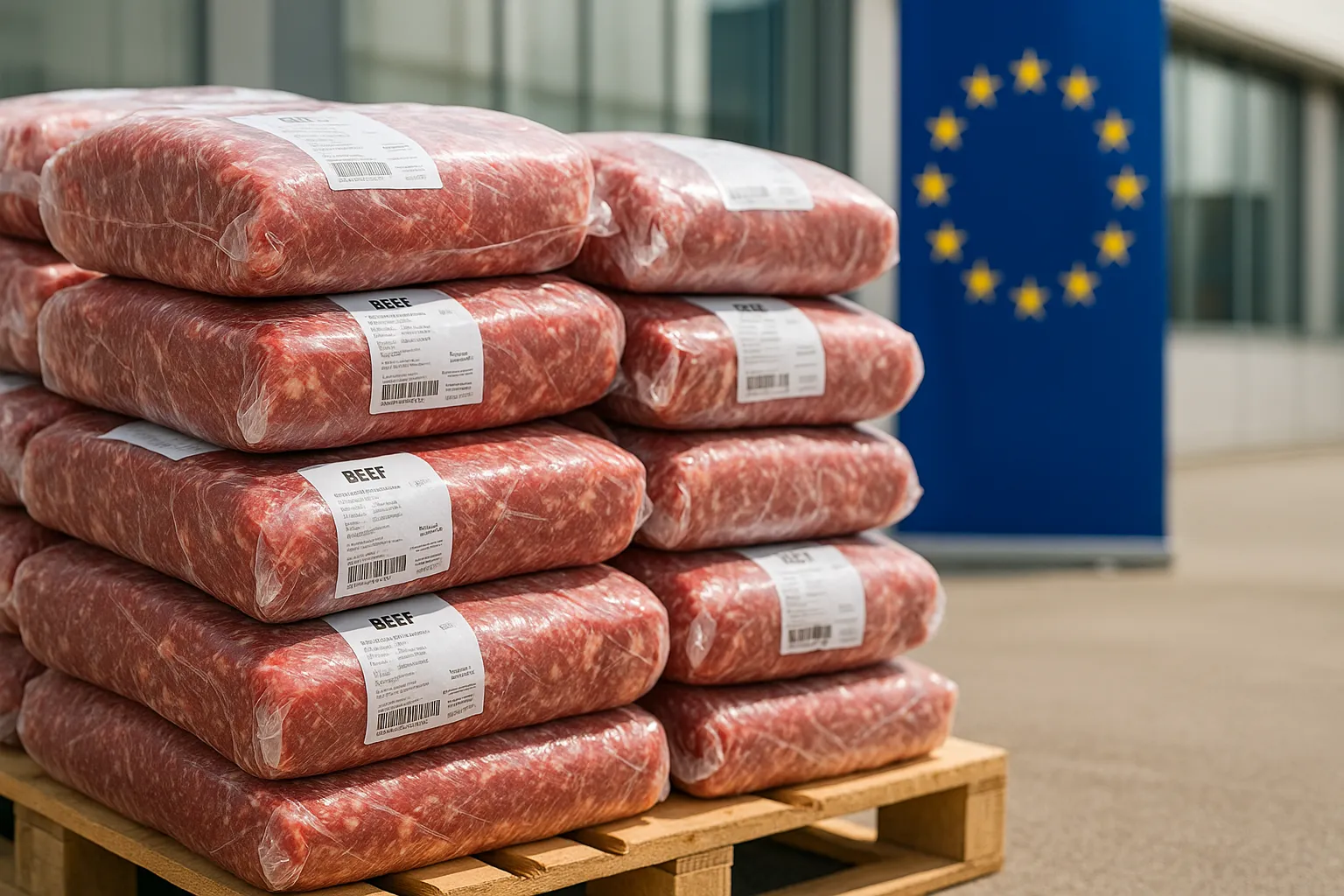
In the realm of international trade, the EU continues to be the UK’s foremost trading partner. An SPS agreement is expected to alleviate administrative burdens and lessen trade obstacles, particularly benefiting exports of red meat.
Despite the optimism surrounding such an agreement, several contentious issues persist. A major concern relates to the concept of dynamic alignment with EU regulations, which raises questions within the industry about the potential implications for pesticide use and innovations in gene editing.
During her keynote speech at the AHDB’s Red Meat Export Conference, Dame Angela Eagle, the UK’s Minister of Agriculture at the Department for Environment, Food and Rural Affairs (Defra), outlined the advantages an SPS agreement would bring to exporters. She noted that the current system subjects red meat products to extensive border checks, including mandatory documentary verification for all shipments and physical inspections for up to 30% of those shipments.
Dame Angela remarked, “An SPS agreement would remove these, while strengthening our internal market and improving trade between Great Britain, Northern Ireland, and the EU, but we’ll only agree a deal that’s firmly in the UK’s national interest.”
Emily Norton, chair of the Agriculture and Horticulture Development Board (AHDB), echoed these sentiments, highlighting the EU’s unique position as the UK’s largest and most integrated market. She stated, “Discussions around the potential UK-EU SPS agreement are so important; even relatively small improvements in friction, cost, or process will make a very real difference.”
The anticipated date for signing this agreement aligns with a scheduled UK-EU Summit, reflecting the importance of the dialogue.
Understanding the significance of an SPS agreement is crucial, as Annette Kliemann, first counsellor for agriculture and food at the EU Delegation, clarified. She stated that while SPS agreements primarily focus on mitigating biosecurity risks, they encompass a range of areas beyond food safety, including live animal regulations, organic products, and marketing standards.
Kliemann explained that dynamic alignment necessitates that the UK adheres to EU regulations promptly. The UK has sought exemptions concerning animal welfare standards, advancements in technology, and public health considerations. Thus, while the UK will be treated similarly to an EU member state in terms of agri-food trade, it will not hold the same decision-making powers and will be more of a shaper than a driver of policy, unable to participate in voting.
In support of these developments, Louise Leighton-McTague, a deputy director at Defra responsible for preparing the UK’s borders for the SPS agreement, emphasised the benefits it would yield for the UK meat industry. She presented a vision of reduced bureaucracy, stating that the agreement would significantly lower the necessity for export health certificates, diminish the frequency of border inspections, and simplify supply lines.
The context of these negotiations is further complicated by the complexity of post-Brexit trade arrangements and the ongoing evolution of food safety and agricultural standards. Industry stakeholders are looking for reassurances that the agreement will not compromise existing standards while also enabling growth opportunities.
The potential for an SPS agreement to transform the landscape of UK-EU trade is significant. By streamlining processes and reducing delays at the border, exporters could find it easier to access the EU market, which remains essential for many British businesses, particularly in sectors like red meat.
Trade experts have commented on the implications of any regulatory alignment. They caution that while such agreements can lead to increased efficiencies, there must be a careful balance between alignment and maintaining the UK’s ability to set independent standards—particularly in areas concerning environmental sustainability and animal welfare.
As the timeline for finalising the SPS agreement approaches, stakeholders from across various sectors are keeping a close watch. The hope is that the agreement not only enhances the economic relationship between the UK and the EU but also lays the groundwork for future co-operation in vital areas such as food safety and environmental standards.
As plans move forward and discussions evolve, the focus for representatives on both sides will remain on securing a deal that satisfies both regulatory requirements and industry needs, ensuring a robust trading relationship can thrive in the future.
Our Thoughts
The article discusses a forthcoming SPS agreement between the UK and the EU aimed at improving trade for red meat exports. Key safety lessons suggest that proactive engagement with trade regulations, robust risk assessments, and stakeholder consultations could have been enhanced. Specifically, issues around dynamic alignment with EU regulations highlight potential gaps in compliance with UK health and safety legislation, particularly the Health and Safety at Work Act 1974, which mandates adequate control of risks associated with food safety and biosecurity.
To prevent similar incidents or frustrations in future negotiations, the UK could strengthen alignment processes with EU standards to ensure timely compliance, avoiding the need for interim measures that may impact safety. Better communication channels with industry stakeholders might also facilitate smoother adaptations to changing regulatory requirements.
No specific regulations appear to have been breached as the article focuses on forthcoming agreements rather than past incidents. Overall, improved planning and adherence to existing health and safety standards could mitigate risks associated with trade and biosecurity in the agricultural sector.