















Story Highlight
– UK councils ban flags on public property during World Cup.
– Health and safety concerns cited for flag restrictions.
– Bristol City Council monitors and removes unauthorized flags.
– Residents urged to celebrate patriotism safely and considerately.
– No laws against flags on private property; regulations apply.
Full Story
Local councils across the UK are urging residents to refrain from displaying flags on public property during the upcoming World Cup, citing concerns for community harmony and public safety. Authorities in cities including Bristol, Wiltshire and South Gloucestershire have highlighted potential health and safety risks associated with this practice as the tournament prepares to commence in Mexico this evening.
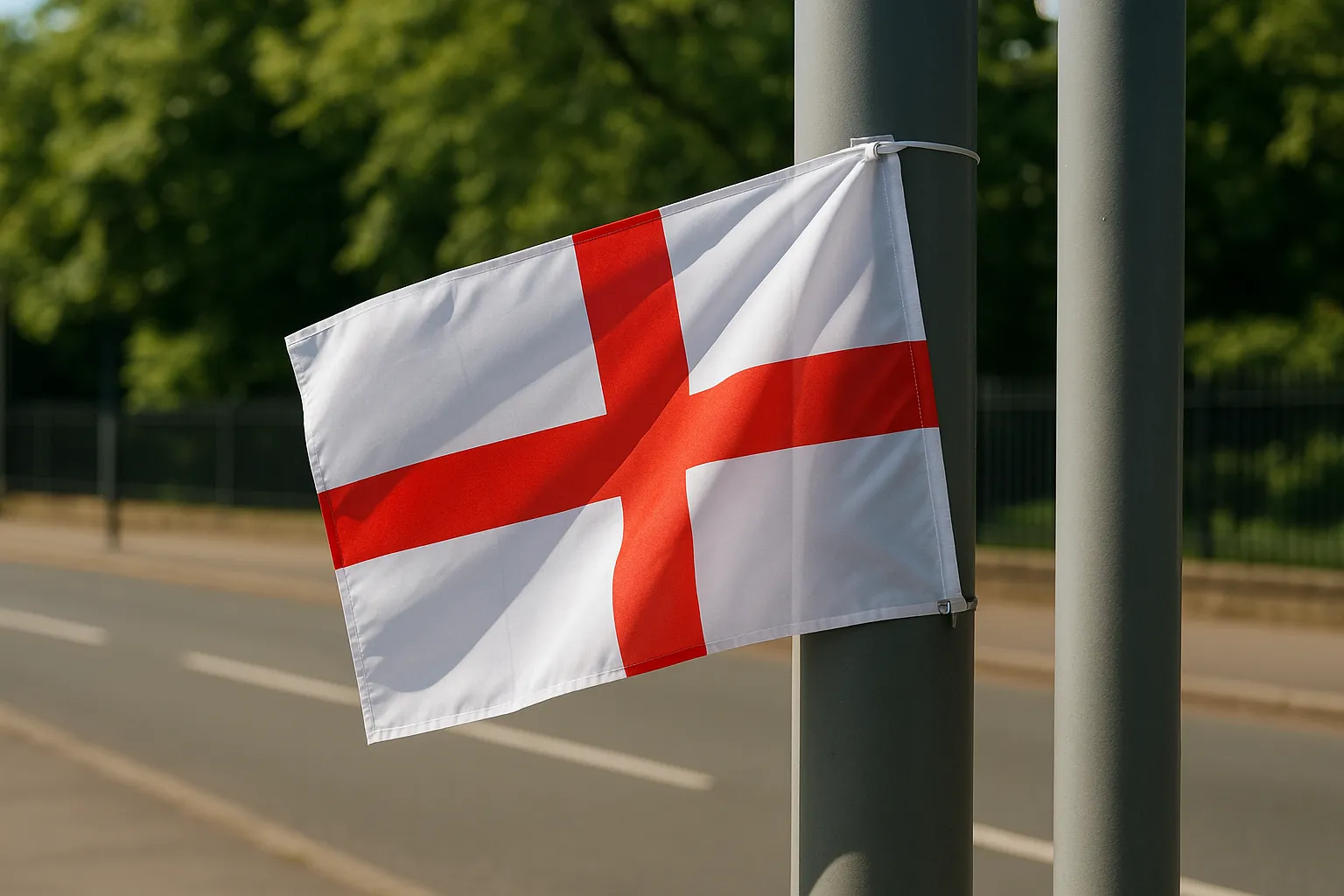
Tony Dyer, leader of the Green Party at Bristol City Council, stressed the importance of maintaining public safety, stating: “What people cannot do is fly flags on lampposts or railings or any public property. Please do not attach anything to lampposts – it causes health and safety issues.” He indicated that the council will actively monitor locations for St George’s flags and will remove them from designated “sensitive locations.” Dyer urged residents to remain vigilant and report any flags seen in publicly owned areas, promoting a message of responsible celebration.
Echoing these sentiments, a spokesperson from South Gloucestershire Council, a coalition governed by Labour and the Liberal Democrats, reinforced the need for citizens to express their patriotism in a manner that is “safe, lawful and with consideration for others.” The spokesperson reiterated that flags or other items affixed without proper authorisation to public land will be promptly taken down. “These rules are in place to protect public safety, prevent damage to public assets, ensure the highway remains safe and usable for everyone, and maintain a welcoming and cohesive community feel,” they explained.
The approach is not limited to Bristol or South Gloucestershire. Martin Smith, a Liberal Democrat representative from Wiltshire Council, expressed a commitment to ensuring roadways remain “safe, clear and accessible at all times.” While showing support for the England team’s aspirations to end a long drought without a major trophy, Smith cautioned residents against displaying any flags, banners or decorations on or near roads, as they could impede visibility and compromise safety. “We are all willing the England team on to end 60 years of hurt and bring the trophy home [following their last victory in 1966],” he remarked, underscoring the shared enthusiasm for the event among fans.
The ongoing prohibition on flag displays is reflective of broader discussions around community dynamics and immigration, a subject which has seen increased scrutiny in recent months. Various councils have already undertaken actions to remove St George’s and Union Jack flags from public lampposts and thoroughfares, responding to concerns that their presence may evoke polarising sentiments.
Legal frameworks inform the councils’ stance on this matter. According to the Highways Act 1980, attaching items to highway structures without proper permission is regarded as an offence unless a reasonable justification is provided. Although there are no specific laws preventing the flying of St George’s flags from private vehicles, drivers may incur fines of up to £1,000 if such displays obstruct their view or compromise road safety.
It is also worth noting that flags displayed from private properties must adhere to specific regulations. These include the requirement for flags to be well-maintained and to correspond with safety standards set by local authorities. Additionally, permission from the property owner is necessary to ensure compliance with local regulations.
As excitement builds for the World Cup, which will see Mexico take on South Africa at 8pm today, England supporters are keenly anticipating their first match against Croatia on June 17. The atmosphere surrounding the tournament promises to be vibrant and filled with national pride; however, local governments are urging a measured approach to celebrations that respects community sentiment and public safety.
This call for caution is particularly salient in a time when public gatherings and displays can elicit strong reactions. The landscape of community engagement during events such as the World Cup is often influenced by varying perspectives on nationalism and inclusivity.
In summary, as the World Cup fever grips fans across the nation, the emphasis remains on celebrating responsibly. Local councils are committed to fostering an environment that is both festive and considerate of the diverse communities that make up their regions. The hope is to create an atmosphere that is not only exciting but also safe and welcoming, allowing everyone to enjoy the tournament in peace.
Our Thoughts
Local authorities issued warnings against attaching flags to public property due to potential health and safety hazards. Key safety lessons include the importance of adhering to regulations regarding the use of public assets, specifically those outlined in the Highways Act 1980, which prohibits placing items on highways without permission. Councils could enhance awareness campaigns regarding the risks involved in flag flying, such as obstructing visibility for road users and pedestrians, thereby preventing potential accidents.
To avoid safety issues, councils should implement a clearer communication strategy that includes the significance of community cohesion while ensuring that residents understand the legal implications of unauthorized displays. Regular monitoring and prompt removal of unauthorized flags are essential to maintain public safety and asset integrity.
Ultimately, increased community engagement and education on responsible expressions of patriotism could mitigate similar incidents in the future, helping to balance individual expression and public safety.