














Story Highlight
– Care Pharmacy launches campaign against unregulated weight loss drugs.
– Rising demand for treatments leads to counterfeit concerns.
– Campaign emphasizes importance of professional medical oversight.
– Many illegal medications seized in the UK recently.
– Public urged to report offers of counterfeit drugs.
Full Story
A Bradford-based pharmacy has launched an awareness campaign to highlight the health hazards posed by unregulated weight loss medications purchased from unofficial sources, including social media, unlicensed vendors, and messaging platforms. The initiative, spearheaded by The Care Pharmacy, comes in response to a noticeable rise in inquiries regarding and offers of illicit weight loss solutions.
The owner of The Care Pharmacy, Mohammed Ismail Lakhi, voiced his concerns over the trend, stating, “Weight loss treatment should never begin with social media hype or unregulated sellers; it should begin with trusted healthcare professionals like a regulated pharmacy.” He emphasised the importance of safety, stressing, “If a treatment avoids medical checks, it avoids patient safety,” and cautioned against the dangers of unknown substances by stating, “If you don’t know what is in it or where it is from, don’t put it in your body.”
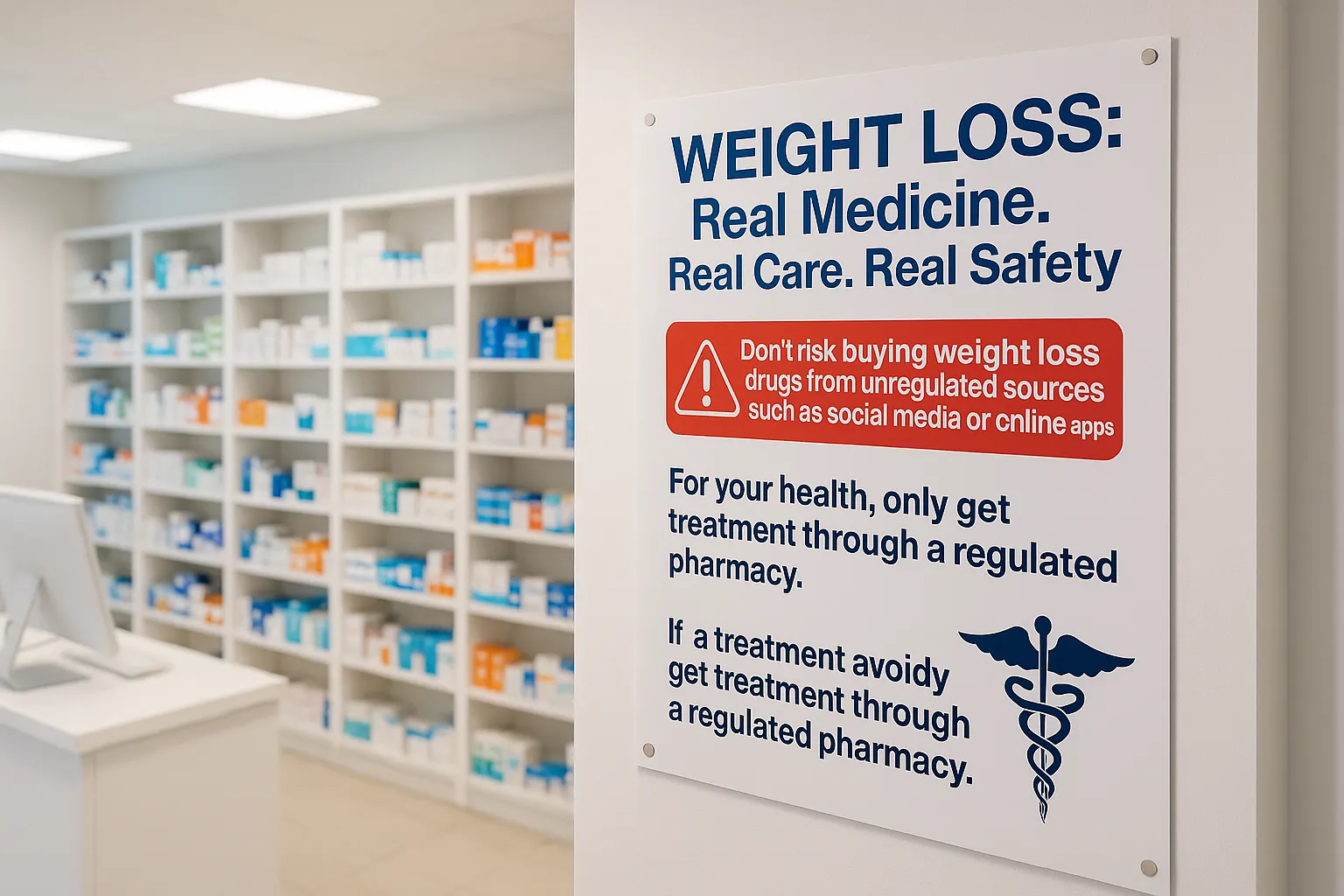
Entitled ‘Weight Loss: Real Medicine. Real Care. Real Safety,’ the campaign aims to inform the public about the potential health risks associated with counterfeit medications marketed for weight loss. The pharmacy is encouraging individuals who encounter such drugs through informal channels to report the incidents to local law enforcement, fostering community engagement in tackling this pressing issue.
The growing demand for injectable weight loss treatments, particularly medications such as Mounjaro, has raised alarms and highlighted the proliferation of counterfeit and hazardous alternatives. Factors contributing to this situation include the high costs associated with private prescriptions and the stringent eligibility criteria for NHS support, leaving many individuals seeking unsafe options out of desperation.
Recent statistics paint a troubling picture, indicating that around 18,300 illegal or unregulated weight loss and diabetes medications were intercepted at the UK borders in a time frame spanning 2024 to mid-2025. Investigations conducted by regulators and various media outlets have consistently associated social media platforms, beauty establishments, gyms, and online groups with the distribution of counterfeit products, commonly referred to as ‘skinny jabs.’
Earlier this month, Professor Megan Fowler, the national director of patient safety for NHS England, addressed the Health and Social Care Select Committee about the integrity of drug procurement. She highlighted that there are ongoing concerns regarding black market drugs and the associated risks, stating, “People are seeking GLP-1s, and it’s often a different cohort to those we’re currently treating in the NHS, who have the most significant [weight-related] issues.” She noted a distinction between those opting for private treatment and the alarming prevalence of unregulated options.
The campaign by The Care Pharmacy underscores the critical necessity for medical evaluations and continuous clinical supervision for individuals contemplating weight loss medications. It cautions that these treatments may not be appropriate for everyone and could exacerbate pre-existing health issues, including pancreatitis, gallstones, liver disease, or kidney complications.
Mr Lakhi reiterated the essential role of professional support in ensuring safe treatment outcomes, stating, “Safe medicine should always come with professional support. Patients deserve qualified medical oversight, accurate information, and ongoing clinical care throughout treatment.”
Keen to maximise its outreach, the pharmacy intends to promote the campaign across various digital platforms, provide educational materials, and participate in community engagement events throughout West Yorkshire. The initiative aims not only to disseminate vital information about safe medication practices but also to create a dialogue surrounding the dangers of unregulated drugs.
As the demand for effective weight loss solutions continues to rise, the juxtaposition between the allure of quick fixes offered through unofficial routes and the medically sound approaches championed by healthcare professionals will undoubtedly influence public perception and behaviour. The Care Pharmacy’s campaign is a timely reminder of the importance of choosing safe, regulated options and the role of community awareness in combating the dangers posed by counterfeit medications in the marketplace.
The interplay between public health, the appeal of unregulated treatments, and the regulatory landscape will be pivotal in shaping future health directives. With ongoing debates surrounding healthcare funding and access to treatments, there remains a compelling need for individuals to remain vigilant and informed when considering weight loss options, ensuring decisions are made with the backing of qualified health professionals.
By prioritising education and safety, The Care Pharmacy aims to foster a more informed community capable of recognising the risks associated with unverified medications, ultimately contributing to the overarching goal of promoting public health and safety. Through continued dialogue and support, the pharmacy hopes to pave the way for safer practices in the pursuit of weight loss, aligning with broader health initiatives focused on responsible care and effective medical intervention.
Our Thoughts
To avoid the health risks associated with unregulated weight loss drugs, several key actions could have been implemented. Firstly, increased public awareness campaigns around the dangers of purchasing medications from unofficial sources could have included clearer messaging about the importance of consulting with healthcare professionals prior to beginning any weight loss regimen. This aligns with the General Pharmaceutical Council’s guidance on community pharmacy responsibilities, ensuring patients receive safe and adequate medical oversight.
Additionally, improved regulatory enforcement on the sale of counterfeit drugs would help address breaches of the Medicines Act 1968 and the Misuse of Drugs Act 1971. Enhanced monitoring of online platforms, gyms, and beauty salons for illegal sales should be prioritized to deter the spread of dangerous substances.
Regular communication on the legitimate channels for obtaining weight loss treatments, including the NHS and regulated pharmacies, could mitigate the rising trend of individuals seeking unregulated options due to cost challenges. Overall, the key safety lessons emphasize the vital role of proper medical screening and supervision in the prescribing process to safeguard public health.