













Story Highlight
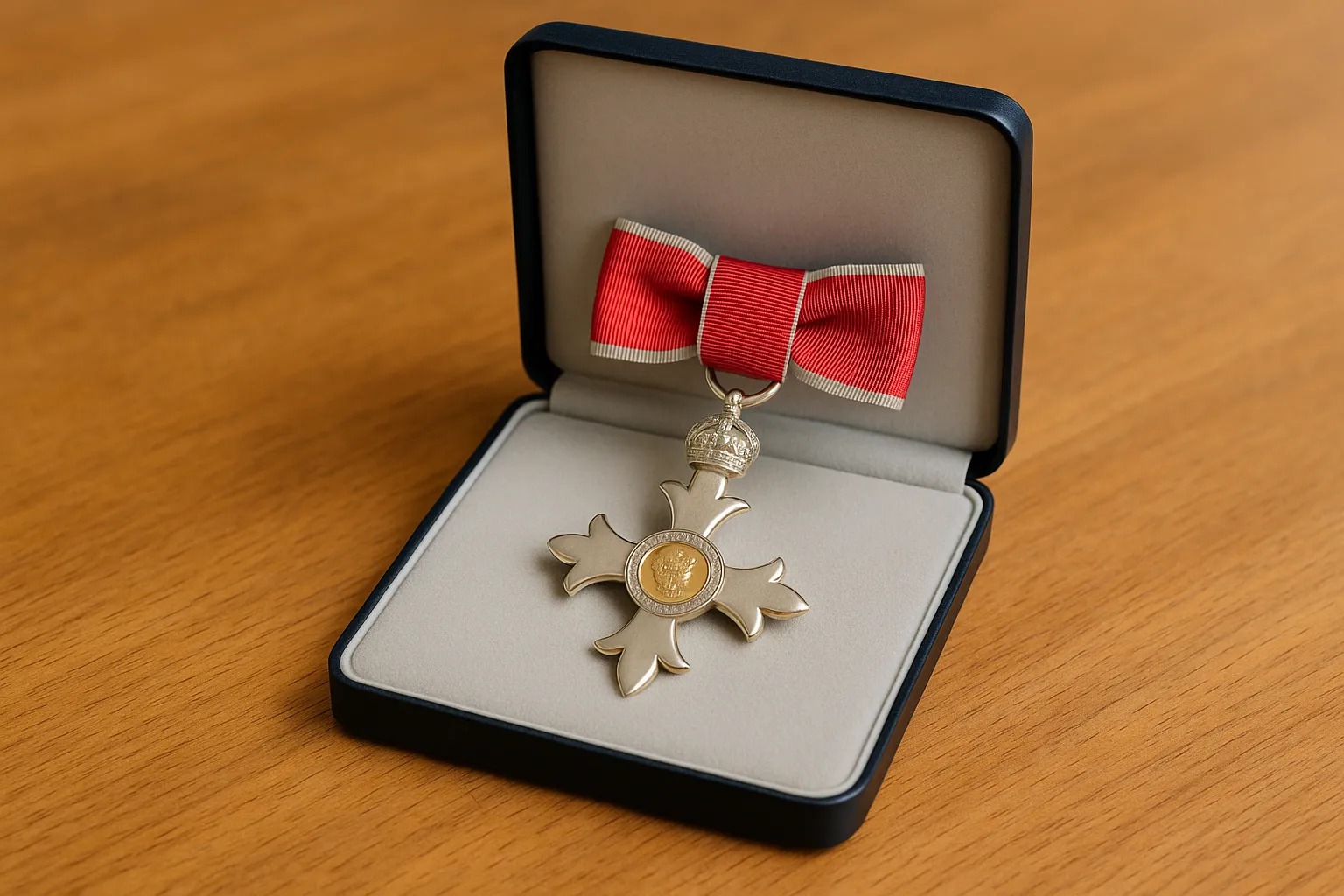
– Alys Cole-King receives MBE for suicide prevention services.
– Pioneered compassionate, evidence-informed care approaches globally.
– Developed the SAFETool and Connecting with People training.
– Founded Stayingsafe.net for free safety planning resources.
– Advocates for eradicating stigma around suicide discussions.
Full Story
Alys Cole-King, aged 59 and hailing from the Conwy Valley, has been honoured with an MBE in recognition of her significant contributions to suicide prevention efforts. Her work has markedly transformed the professional landscape concerning how suicidal crises are addressed and managed.
During her medical training, Cole-King identified a pressing need for improvement in the assessment and response mechanisms tailored to individuals grappling with suicidal ideation. These insights paved the way for her to innovate compassionate and evidence-based strategies aimed at enhancing care for those in crisis.
Among her notable initiatives is the development of the internationally acclaimed Connecting with People training programme, alongside the Suicide Assessment Framework E-Tool, commonly referred to as SAFETool. Both tools have garnered widespread recognition as effective resources in suicide prevention.
Additionally, she spearheaded the creation of Stayingsafe.net, a free safety planning website developed under the auspices of 4 Mental Health. This online platform is designed to assist individuals in crafting personalized safety plans—whether or not they have previously sought professional help—by providing a comprehensive array of reliable strategies to navigate difficult moments.
The hallmark of Cole-King’s approach is her ability to meld compassion with thorough clinical assessment and collaborative safety planning. Her methodologies have become pivotal in boosting the quality and consistency of suicide risk assessments globally, improving responses to those in distress.
Reflecting on her recognition, Ms Cole-King expressed her surprise and gratitude, stating, “I’m extremely surprised and honoured and very grateful to everyone I’ve worked with over the years.” She emphasized her appreciation for those who have lived experiences with mental health struggles, highlighting their vital role in shaping her work: “I suppose any opportunity to be able to share that message, I’m very grateful for.”
Cole-King’s impact extends well beyond individual initiatives; her influence permeates national policy frameworks, where she has played advisory roles in parliamentary inquiries and contributed to pivotal Royal College reports. Her research and advocacy extend to numerous academic publications and self-help materials addressing suicide and self-harm issues.
Much of her extensive work has been undertaken on a voluntary basis, demonstrating her commitment alongside her clinical responsibilities first at Betsi Cadwaladr University Health Board and subsequently as clinical director at 4 Mental Health. Her legacy is underpinned by her innovative spirit and unwavering dedication to enhancing the lives of those facing crises, showcasing exemplary standards of public service and clinical proficiency.
Reflecting on her extensive career, Ms Cole-King remarked, “I very first started over 35 years ago – even as a medical student, I had an interest in the area.” While acknowledging that awareness around suicide prevention has evolved considerably, she urged that substantial efforts remain necessary. “We need to not just tackle stigma, we need to eradicate stigma,” she stated, highlighting the necessity for open discussions surrounding suicide, especially for individuals who may be experiencing suicidal thoughts.
She continued, emphasizing the importance of sharing hope and reassuring those in turmoil: “It’s really important to share hope that people can get through tough times.” Cole-King expressed concern that stigma continues to be a lethal barrier, impeding individuals from seeking help: “Because it’s stopping people asking, and it’s stopping people sharing how they’re really feeling.”
Throughout her professional journey, she has been an ardent advocate for the principles of compassion and hope, which she considers fundamental to effective mental health intervention, as well as the necessity of safety planning. “When I started using safety planning, it was still fairly novel, whereas now it’s national policy in England. So I’m absolutely delighted,” she stated.
Cole-King explained safety planning as a proactive approach: “Basically, a safety plan is a plan that somebody makes outlining what they can do for themselves and who they can contact for support. It’s like the mental health equivalent of putting on a car seatbelt.” She reiterated that expertise is not a prerequisite for making a meaningful difference in someone’s life; even non-specialists can assist individuals in developing their own safety plans. “The Stayingsafe.net website by 4 Mental Health is a free website with everything you need to make a safety plan,” she noted.
The significance of Cole-King’s work has not gone unnoticed at higher levels of governance. Prime Minister Keir Starmer remarked on the current Honours List, stating, “Across the UK, people are quietly changing lives and strengthening their communities. This Honours List is a chance to recognise them.” He praised the dedication of individuals like Cole-King who effectuate lasting change through compassion and resilience.
Jo Stevens, Secretary of State for Wales, also paid tribute to Cole-King along with others recognised for their contributions, stating: “Congratulations to the list of incredible people from right across Wales who have been recognised in the King’s Birthday Honours.” Stevens expressed gratitude for the invaluable impact these dedicated individuals have made within their communities, sports, charitable initiatives, and the arts.
Alys Cole-King’s profound and transformative contributions to mental health and suicide prevention highlight the critical importance of compassion, proactive care, and the imperative of eradicating stigma in these challenging domains.
Our Thoughts
The article highlights the significant contributions of Alys Cole-King to suicide prevention but does not identify a specific incident involving health and safety failures. However, from a UK Health and Safety perspective, several preventative measures and lessons can be discussed regarding suicide prevention in mental health care.
1. **Training and Awareness**: Ensuring comprehensive training for all healthcare professionals on suicide risk assessment and compassionate care can enhance early intervention. This includes mandatory training in accordance with the Care Act 2014, which emphasizes the duty of care.
2. **Developing Safety Plans**: The promotion of safety planning tools, like “Stayingsafe.net,” aligns with the guidance provided by the National Institute for Health and Care Excellence (NICE) on managing suicidal thoughts. Making these resources accessible is crucial.
3. **Reducing Stigma**: Effective strategies to address stigma, as advocated by Cole-King, could mitigate barriers to individuals seeking help, fulfilling the duties outlined in the Health and Safety at Work Act 1974 to ensure a safe environment.
4. **Regulatory Compliance**: While regulations are not breached per se in the article, ongoing evaluation and adherence to mental health policies are vital to prevent adverse outcomes.
5. **Community Engagement**: Encouraging community involvement in mental health initiatives can promote a supportive environment conducive to open discussions around suicide, further aligning with health and safety principles.
Overall, the integration of compassion, structured training, accessible resources, and community engagement are essential steps to mitigate the risk of suicide effectively.