













Story Highlight
– Counterfeit beauty products risk health and safety.
– Online purchases of fakes increased by 6%.
– Counterfeits bypass UK safety regulations entirely.
– Harmful substances found in tested counterfeit products.
– Buy from reputable retailers to avoid fakes.
Full Story
The appeal of discounted luxury beauty products and popular makeup items, frequently showcased on social media, often tempt consumers into what appears to be a savvy financial choice. However, the reality behind these deals can pose serious health risks. A rising trend in the market for counterfeit cosmetics has emerged as one of the most rapidly expanding sectors within the counterfeit goods industry. Research from the UK’s Intellectual Property Office indicates that purchases of fake cosmetics and toiletries online are projected to increase by six per cent by the end of 2025.
Dr Emma Meredith OBE, leader of the Cosmetic, Toiletry and Perfumery Association (CTPA), issued a grave alert regarding these misleading products. She stated, “Counterfeit beauty products might look like the real deal, but that’s where the similarity stops. Behind the copycat packaging, you could be buying something that doesn’t work as promised and could even put your health at risk.”
What differentiates counterfeit items from genuine cosmetics is the absence of adherence to the strict safety regulations established in the UK. Authentic cosmetics sold in Britain are required to conform to rigorous standards set forth in the UK Cosmetics Regulation. This encompasses everything from the safety of ingredients to the conditions under which products are manufactured. Each legitimate product must undergo a thorough safety assessment conducted by a qualified individual and must display a UK-based “Responsible Person” on its labelling.
In stark contrast, counterfeit products circumvent these essential safety checks. Dr Meredith emphasized the uncertainty surrounding counterfeit items: “We don’t know what is in the fakes and counterfeits, nor how or where they have been made. They are highly unlikely to have been through the thorough safety requirements which are mandatory for legally compliant cosmetic products.”
The rise in counterfeit cosmetics can be attributed to various factors. The surge in online shopping, which gained momentum during the pandemic, has not fully subsided, providing counterfeiters with ample opportunity to exploit this trend. Digital platforms offer a veil of anonymity, allowing sellers to operate under false identities, utilise stolen imagery, and disappear without a trace.
The financial strains stemming from the current cost-of-living crisis are also contributing to the allure of counterfeit products. Dr Meredith remarked, “The cost-of-living increase may drive consumers to look for discounted or cheap options, and they may be buying counterfeit items believing they are saving money on the real product.” This dynamic has resulted in an influx of appealing reproductions ranging from high-end skincare to everyday makeup.
What lies within these counterfeit beauty products has raised alarm bells. The UK Intellectual Property Office’s “Choose Safe Not Fake” campaign tested numerous fake beauty and hygiene items, revealing disturbing findings. Among sampled items like setting sprays, hydrating serums, and moisturisers, harmful substances including carcinogens such as beryllium oxide, along with banned heavy metals like arsenic, lead, and mercury, were uncovered. Findings even indicated the presence of rodent urine and horse faeces, suggesting unsanitary manufacturing environments.
The application of these fraudulent products can unleash a range of severe health issues, including allergic reactions, chemical burns, infections, and lasting skin damage. Counterfeit fragrances often lack ingredient transparency, leaving individuals with sensitivities unable to make informed choices. Additionally, fake makeup products have been associated with chemical burns and serious skin irritation.
The cosmetic industry advocates for safety as a fundamental aspect of the law, rather than simply a marketing strategy. Dr Meredith cautioned consumers on how to identify potential fakes before they find their way into personal care routines. While there is no infallible method for verifying the authenticity of products purchased online, certain indicators can signal caution.
Factors such as price, sales platforms, and packaging provide important clues. A significant price reduction compared to competitors should raise red flags. “If the product is being offered at a very cheap price, the chances are that it is an untested and unsafe look-alike that’s not worth the potential cost to your health,” warns Dr Meredith.
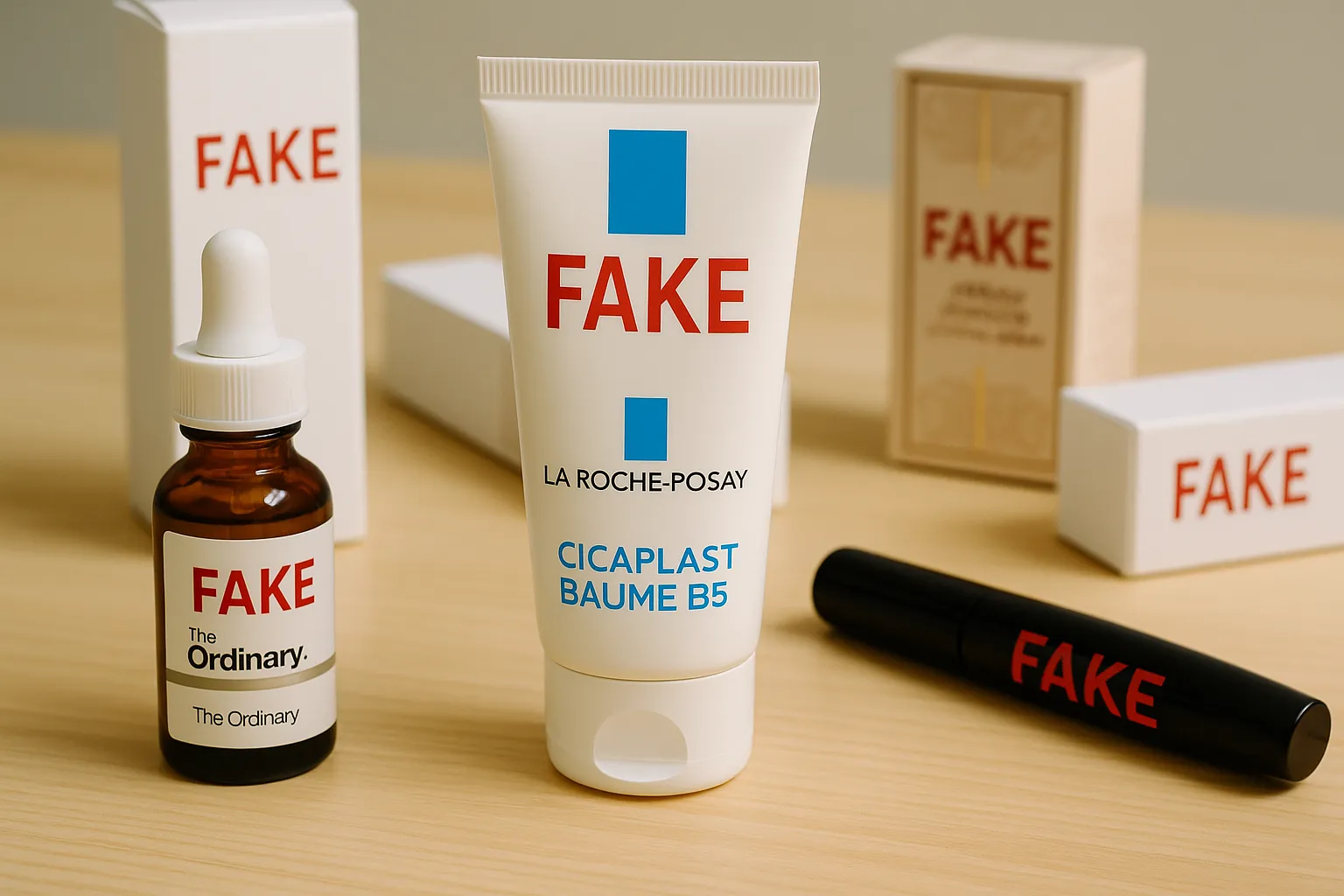
Packaging is often a giveaway, with counterfeit items frequently exhibiting misspelled brand names, misaligned logos, flimsy packaging, and missing information. Genuine cosmetics in the UK must include a comprehensive ingredients list as well as details of a UK-based Responsible Person with a physical address.
When shopping online, red flags can multiply. The presence of “flash sale” promotions that create a sense of urgency, social media accounts mimicking brand names without affiliation to the official website, poorly crafted product descriptions lacking customer support information, as well as sellers who are active yet unresponsive to inquiries all signal the likelihood of counterfeit goods. The involvement of unverified influencers endorsing deals that appear too good to be true is another frequent warning sign.
The most reliable approach to avoiding counterfeit products remains straightforward: purchase directly from the brand’s official website or from reputable retailers with established track records.
Confusion may also arise between counterfeit and “grey market” products, which are authentic items sold outside of official channels. The CTPA clarifies that while grey market products might be legal, they differ fundamentally from counterfeit goods, which are illegal and unsafe. Evaluating the seller, along with considering the price and product characteristics, remains essential in determining authenticity. If any aspect feels questionable, it is always prudent to exercise caution.
Should a consumer suspect they have purchased a counterfeit item, they should cease its use immediately. Symptoms that suggest a fake may include unpleasant odours, subpar performance, skin irritation, or stark differences from previously bought items. Reports can be made to Trading Standards through the Citizens Advice consumer helpline, and consumers are also encouraged to inform the brand, as many companies actively monitor counterfeit activity in collaboration with authorities to target sellers.
For optimal safety, routine purchases should be directed toward well-known beauty retailers like Boots, Cult Beauty, Space NK, or Look Fantastic, rather than less familiar online vendors or social media sellers.
Our Thoughts
The article highlights the dangers associated with counterfeit beauty products, which contravene UK health and safety legislation, particularly the UK Cosmetics Regulation. Key lessons include the necessity for consumers to be vigilant while shopping online and for companies to enhance awareness about the risks of counterfeit goods.
To prevent similar incidents, businesses should improve the education of consumers regarding the significance of purchasing legitimate products, emphasizing the importance of checking for proper labeling and the presence of a UK Responsible Person on packaging. Online platforms should also implement stricter controls to combat counterfeit listings.
Regulations breached by counterfeit products include failure to undergo mandatory safety assessments and not adhering to ingredient safety requirements. The use of harmful substances, as noted in the article, jeopardizes consumer health, Constituting non-compliance with the Health and Safety at Work Act 1974.
Enhanced regulatory enforcement and consumer education could mitigate these risks. The government could support initiatives that empower consumers to identify counterfeits, ensuring compliance with safety standards and maintaining public health safeguards. Enticing pricing strategies should be scrutinized to discourage the pursuit of counterfeit products.