














Story Highlight
– Ole & Steen fined £34,000 for mouse infestation.
– Rodent activity found during routine health inspection.
– Multiple hygiene violations posed contamination risks.
– Bakery ignored prior warnings from pest control.
– Company pledges commitment to improved food safety.
Full Story
A prominent bakery chain has been ordered to pay a substantial fine due to serious hygiene violations, particularly a significant mouse infestation, at its key store in London.
Ole & Steen, renowned for its delicious Danish pastries, including cinnamon buns, faced a total financial penalty of £34,847 after being found guilty of failing to ensure food safety standards at its Haymarket location.
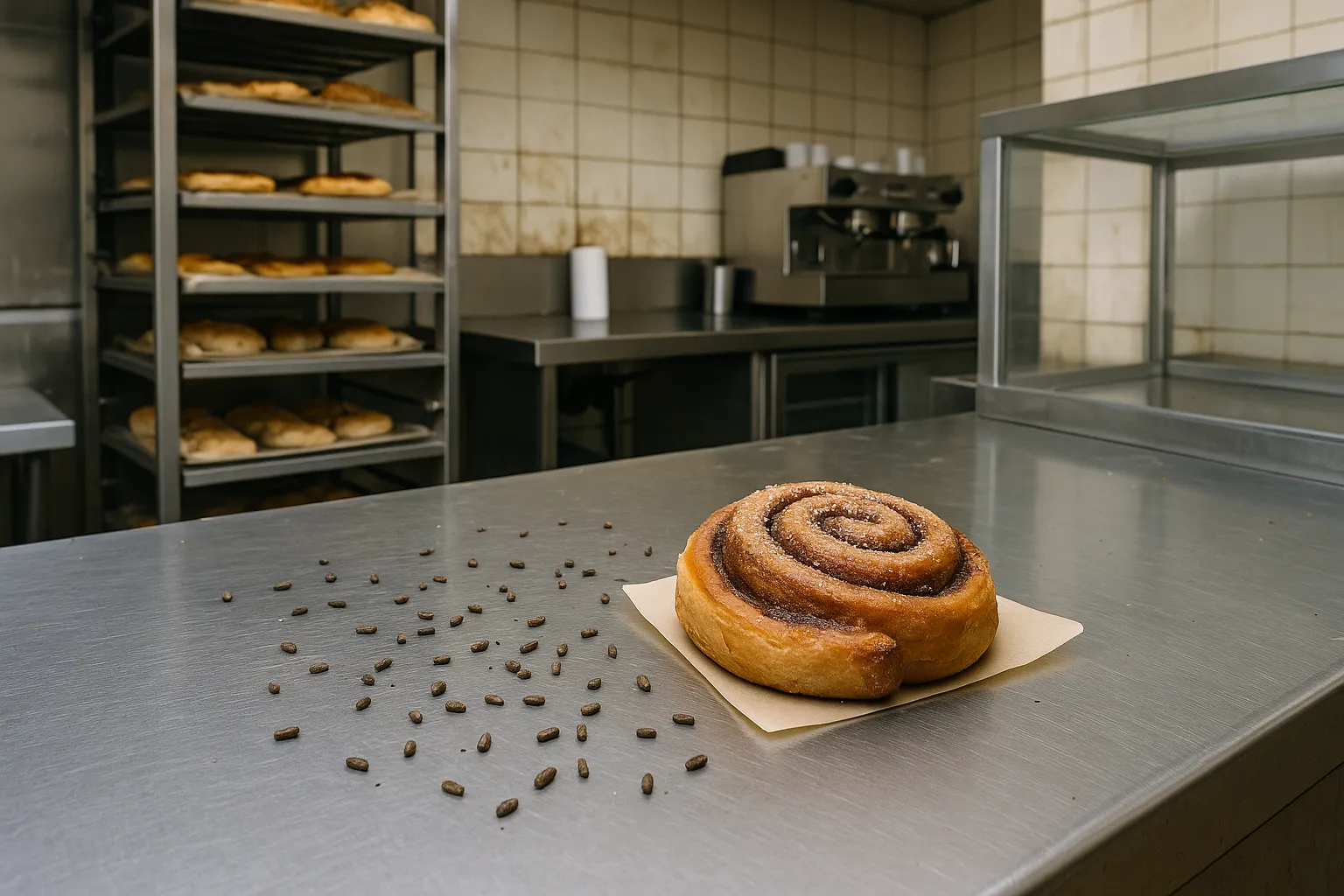
In January 2025, health inspectors from Westminster City Council conducted a regular inspection of the bakery and uncovered alarming signs of rodent activity within food preparation and storage areas. Their findings included numerous mouse droppings scattered throughout the premises, raising serious concerns regarding the bakery’s hygiene practices.
During the inspection, officers noted not only the presence of rodents but also a variety of inadequate food hygiene practices that posed risks of cross-contamination. These issues highlight the bakery’s failure to maintain proper health standards, which are particularly crucial for ensuring the safety of customers.
It was revealed that Ole & Steen had previously been informed of the pest problem by its own pest control service before the inspection took place. However, the bakery did not take the necessary steps to resolve the issue effectively, resulting in a serious breach of health regulations.
On Wednesday, during proceedings at Westminster Magistrates’ Court, Ole & Steen admitted to neglecting its responsibility to safeguard food from potential contamination due to pest activity and inadequate hygiene measures. As a result, the court imposed a fine of £26,000 on the establishment and ordered the bakery to cover an additional £8,847 in related costs.
Councillor Caroline Sargent, who is the deputy leader of Westminster City Council and oversees enforcement, expressed her disappointment regarding the situation. She stated, “We expect the highest possible food hygiene standards for our residents and visitors, and we will not tolerate a half-baked approach to safety. Our environmental health officers found a catalogue of serious failings, including mouse droppings in several locations and poor food hygiene practices, despite this branch receiving previous warnings.”
The council’s enforcement actions aim to send a clear message that it prioritises public safety and will take robust measures when hygiene standards are not met. The circumstances surrounding this case have raised concerns within the local community about the intensity of oversight for food establishments, underscoring the need for stringent adherence to health regulations across the industry.
In response to the developments, a representative from Ole & Steen provided comments to The Sun, stating, “In late 2024, the conditions at our St James’s Market store fell below the standard our customers expect and the standard we hold ourselves to. We immediately closed the store to address the issue and re-opened two days later. WCC visited while we were taking action and this location has now been awarded 4 stars for hygiene and cleanliness.”
The company emphasized its dedication to food safety and hygiene standards in all of its locations, suggesting that corrective measures were implemented promptly following the inspection.
Community sentiment surrounding the case indicates a collective desire for transparency and accountability in the food service sector. Many residents have expressed their concerns regarding local eateries, particularly those which attract a significant number of customers. The ramifications of this incident may lead to increased scrutiny of other businesses within the area to ensure compliance with health regulations.
Industry experts highlight that such cases underscore the importance of regular inspections and robust hygiene practices to prevent potential health hazards. As dining establishments continue to recover from the challenges posed by the pandemic, the focus on maintaining high food safety standards remains critical.
Furthermore, this incident serves as a reminder to consumers about the significance of staying informed about the hygiene ratings of local eateries. Many members of the public advocate for more accessible information regarding health inspections and food safety ratings, believing that transparency can foster greater trust in the food industry.
The fine imposed on Ole & Steen adds to a growing list of penalties for food establishments failing to meet hygiene standards. As local councils ramp up enforcement measures, it is anticipated that more businesses will be held accountable for upholding the safety of their operations.
In conclusion, the situation at Ole & Steen serves as an important case study that reflects broader challenges within the food service industry, specifically in relation to hygiene standards during an unprecedented time. With increasing public awareness and expectations surrounding food safety, it is clear that both consumers and regulators will continue to hold establishments accountable for their practices.
Our Thoughts
The incident at Ole & Steen bakery highlights several critical areas for improvement in food safety and hygiene practices. To prevent similar occurrences, the bakery could have implemented more stringent pest control measures and adhered closely to guidelines set out in the Food Safety Act 1990 and the Hygiene Regulations, which require businesses to ensure food is protected from contamination.
Key lessons include the necessity for regular pest inspections and the prompt addressing of issues identified by pest control contractors. The bakery’s failure to act on prior warnings demonstrates a clear breach of Regulation (EC) No 852/2004 on the hygiene of foodstuffs, which mandates that food businesses proactively manage food safety risks.
To avert future incidents, it is essential for the bakery to develop a robust food safety management system, including regular training for staff on hygiene practices and the implementation of a system for reporting and addressing pest issues. Enhanced monitoring and enforcement of these systems would help ensure compliance with health and safety regulations and protect public health.