















Story Highlight
– No legal maximum temperature for work exists in the UK.
– Employers must ensure comfortable working conditions during heatwaves.
– Construction sites have specific temperature guidelines for safety.
– Heat stress is a serious health hazard for workers.
– Hydration is essential; recommend drinking small amounts frequently.
Full Story
**Employers Urged to Uphold Health and Safety Standards Amidst Ongoing Heatwaves**
As the UK experiences record-breaking temperatures, which have exceeded 30ºC in various regions following one of the hottest May Day holidays on record, the issue of workplace safety during extreme heat has come to the forefront. This rise in temperature has led to yellow and amber weather warnings issued by the UK Health Security Agency. With rising concerns about the implications of such heat on work conditions, many employees are left questioning their rights and the responsibilities of their employers.
While the law does not stipulate a defined maximum temperature for working conditions, it does mandate that employers adhere to health and safety regulations that protect employees from potential hazards associated with high temperatures. The government has established guidelines to clarify these responsibilities, noting that certain industries naturally experience higher temperatures, independent of climatic conditions. For instance, workplaces such as foundries and bakeries are frequently warmer due to the nature of the processes involved.
To ensure a safe working environment, employers are required to take specific measures. These include maintaining a reasonable temperature in the workplace and ensuring that employees have access to clean, fresh air. The guidance states: “Employees should talk to their employer if the workplace temperature is not comfortable.” Workers are encouraged to communicate any concerns regarding their working conditions to their superiors.
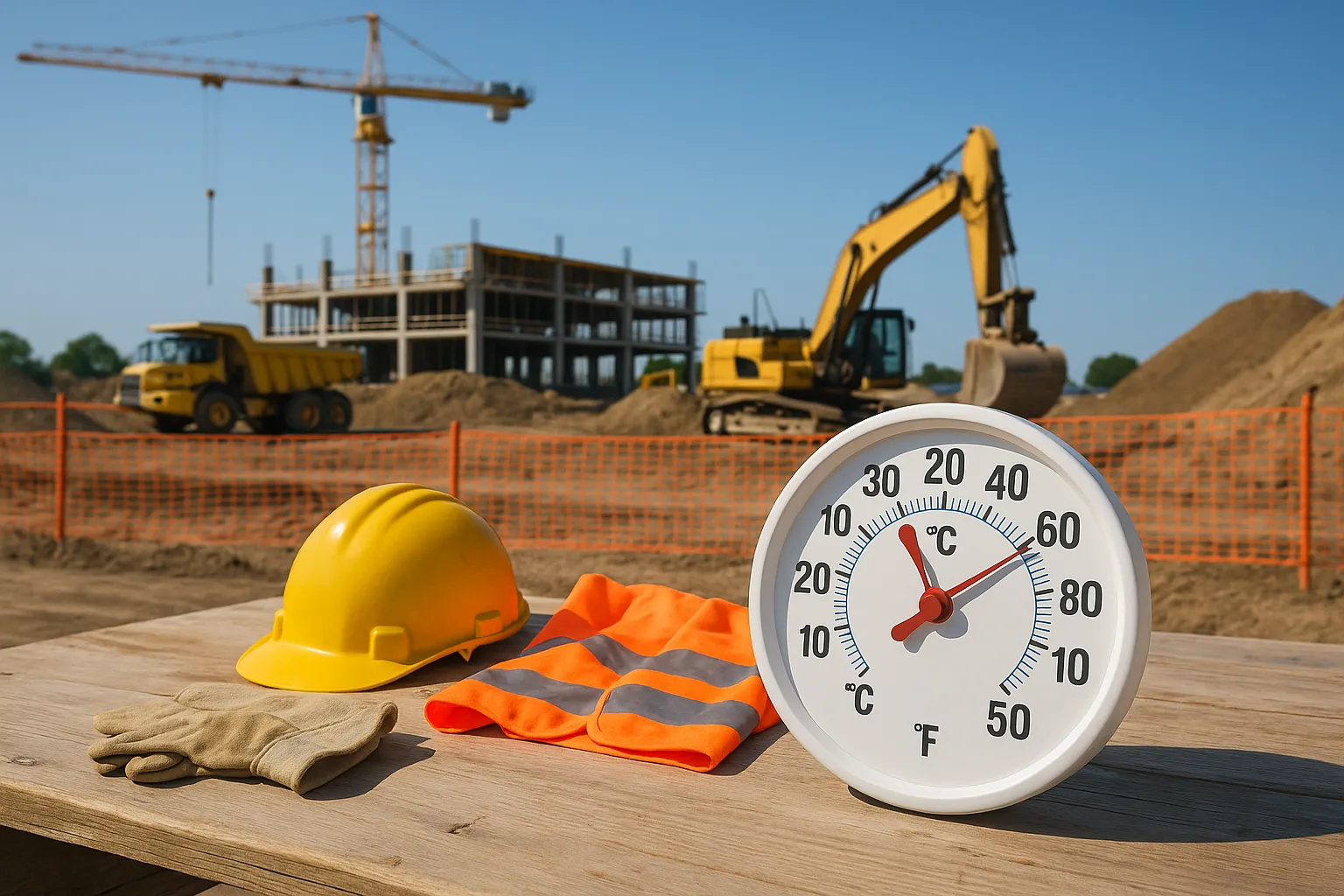
In the construction sector, the regulations governing workplace temperature are particularly stringent. Construction (Design and Management) Regulations stress the necessity of reasonable temperatures in indoor workspaces and mandate that outdoor workers be shielded from intense weather conditions. Furthermore, sites must provide rest areas with appropriate climate control to protect labourers from excessive heat.
Under the Management of Health and Safety at Work Regulations, it is the duty of employers to conduct risk assessments concerning their workforce and to implement adequate measures that safeguard their employees. The Health and Safety Executive (HSE) asserts that “all workers are entitled to an environment where risks to their health and safety are properly controlled,” emphasizing that heat presents a legitimate workplace hazard akin to any other.
Employees working in elevated temperatures may suffer from heat stress, a condition resulting when the body struggles to control its thermal regulation due to external factors such as air temperature, humidity, the intensity of work, and the clothing worn. Symptoms associated with this condition range from mild to severe and include an inability to concentrate, muscle cramps, severe thirst, faintness, heat-related exhaustion such as fatigue, dizziness, and nausea, as well as more severe conditions like heat stroke, which can present as confusion and loss of consciousness.
Heat stress is not solely a seasonal concern; it can be an ongoing issue for workers in environments such as manufacturing plants, boiler rooms, and laundries, where elevated temperatures can be a persistent challenge. Workplace policies need to account for these risks year-round to protect employees’ health.
Dehydration, another critical concern linked with high temperatures, can significantly impact workers’ performance and wellbeing. The HSE recommends that to combat the effects of sweating, workers should regularly consume cool water in small doses throughout their working hours. Notably, the guidance states that thirst is not always the most reliable indicator of dehydration. Workers engaged in strenuous activities under heat stress conditions should aim to drink approximately 250 ml (about half a pint) of water every 15 minutes to maintain adequate hydration levels.
As the nation adapts to increasingly frequent heatwaves, the obligation rests on employers to ensure that their workplaces comply with health and safety standards. This entails not only monitoring temperatures but also adapting work practices to reduce the risks associated with extreme weather.
In conclusion, the responsibility of maintaining a safe working environment during heatwaves cannot be understated. Employers are encouraged to foster open lines of communication regarding health and safety concerns and ensure that all necessary precautions are taken. By prioritising employee wellbeing, businesses can help to mitigate the risks associated with working in extreme heat and ensure a safer, more productive working environment for all.
Our Thoughts
To prevent incidents related to heat stress during extreme temperatures, employers should implement specific measures as outlined in UK health and safety legislation. Although there is no fixed legal temperature limit for working conditions, the Management of Health and Safety at Work Regulations mandates that employers must assess risks related to workplace temperatures and actively take steps to mitigate these hazards.
Employers could have provided air conditioning or adequate ventilation to maintain a comfortable workplace temperature. Furthermore, ensuring consistent access to fresh drinking water and encouraging regular hydration breaks would help minimize the risk of dehydration and heat-related illnesses.
The Construction (Design and Management) Regulations further emphasize the need for maintaining appropriate conditions on construction sites, which includes managing outdoor working environments effectively during heatwaves. Implementing rest facilities equipped with shade or cooling systems could significantly reduce the potential for heat stress.
Key safety lessons include the necessity of proactively addressing environmental hazards and fostering open communication between employees and management regarding discomfort caused by extreme temperatures. By prioritizing these measures, employers could reduce health risks and enhance worker safety during heatwaves.