














Story Highlight
– Psychologist reports potential depression symptoms in Noah Donohoe.
– Psychiatrist finds no signs of mental health issues.
– Mother noted Noah’s behavioral changes before his disappearance.
– Inquest examines safety of culvert near Noah’s last seen location.
– Expert witness disputes conflict of interest over safety guidance.
Full Story
A recent inquest into the disappearance of Noah Donohoe, a 14-year-old boy who went missing in north Belfast nearly six years ago, has revealed differing opinions about his mental health state prior to his disappearance. During the proceedings, experts provided insight into Noah’s psychological well-being, with divergent conclusions reached by a psychologist and a psychiatrist.
Dr. Louise Bowers, a forensic psychologist, presented her evaluation of Noah and noted that, while he generally displayed characteristics of a “well-adjusted” adolescent, his mother outlined some concerning changes in his emotional state leading up to his disappearance. She reported that Noah had been occasionally tearful and exhibited mood swings. His interest in literature, particularly the book “12 Rules for Life” by Jordan Peterson, was also noted, as it seemed to resonate with Noah during that time.
Bowers clarified that her conclusions were based on documents reviewed specifically for the inquest and did not entail a comprehensive understanding of Noah’s history. She opined that there might have been indications of autism spectrum disorder (ASD) traits in Noah and that he could potentially have exhibited signs of depression. Further, she pondered the possibility of Noah experiencing a “psychotic episode” based on his behaviour both before and on the day he vanished.
Contrastingly, Dr. Seena Fazel, a forensic psychiatrist, indicated in his testimony that he did not believe any mental health issues contributed to Noah’s disappearance. Originally suggesting the possibility of suicide in earlier evaluations, Dr. Fazel revised his stance after reviewing new information pertaining to the case. He expressed his current belief that there were no underlying mental health conditions present before Noah went missing, stating clearly, “I do not think that there were any mental health conditions prior to his disappearance.”
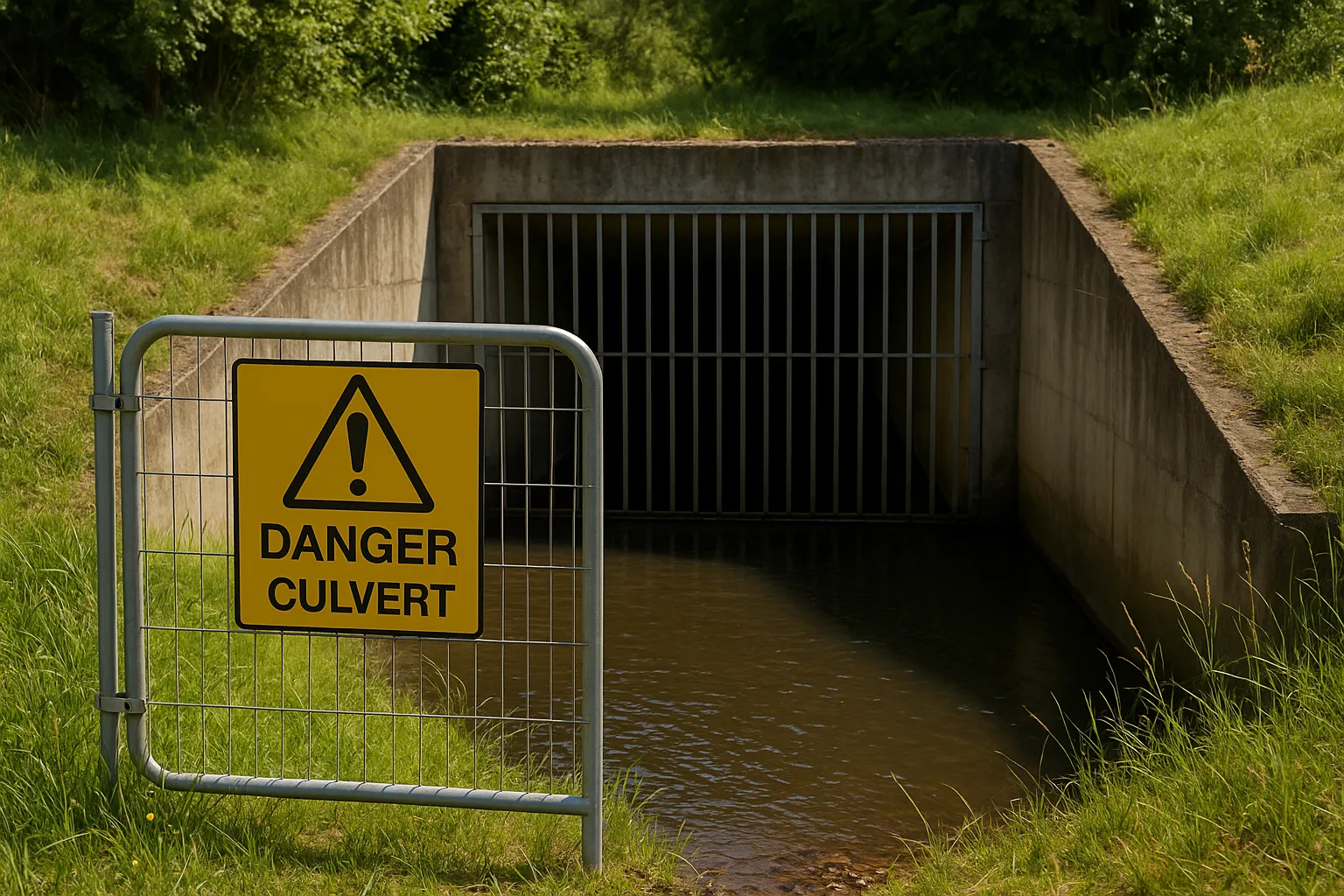
The inquest also explored the role of a nearby culvert administered by the Department for Infrastructure (DfI), as Noah’s last known movements were in proximity to this site. Jeremy Benn, an expert witness and co-founder of an environmental consulting firm, addressed the safety measures at the culvert, which has garnered attention concerning its ability to prevent unintended access. Benn asserted his commitment to objectivity at the inquest, despite his professional ties to the department.
Mr. Benn’s business, JBA, which employs over 1,000 individuals and generates an annual turnover between £80 million and £90 million, has been involved with various contracts with the DfI, albeit for sums considered relatively modest. When pressed by a legal representative for the department about compromising his professional integrity during the inquest, Benn categorically denied the possibility, insisting on the necessity of maintaining impartiality in presenting evidence.
The current investigation considers the design of the protective measures at the culvert entrance. It was explained that a debris screen was installed to mitigate flooding risks; however, some witnesses argued that a more secure structure could have deterred unauthorized access. During proceedings, concerns were raised about whether Noah might have gained entry through the wider gaps presented by the existing screen. In contrast, a security screen would have effectively narrowed these openings, thereby offering greater protection.
Benn defended his neutrality and addressed previous criticisms regarding possible conflicts of interest in relation to the guidance he contributed to about culvert safety. He clarified that he was one of multiple contributors to the relevant safety guidelines and asserted that any claims regarding his partiality were unfounded.
The inquest further revealed investigation details regarding the tragic event surrounding Noah’s disappearance. His body was discovered in an underground waterway situated more than 600 metres away from the culvert’s entrance, not far from the M2 motorway. This finding ignited widespread concern about the effectiveness of safety measures in public areas, especially those that present possible danger for vulnerable individuals.
As the legal proceedings continue, the focus remains on the complex interplay between mental health considerations and the physical dangers posed by inadequately secured infrastructure. The dual narratives presented by witnesses regarding Noah’s mental state are a poignant reminder of the challenges encountered when unraveling the circumstances of his disappearance.
Continuing this inquiry into the safety of public spaces and the mental health of young people, the inquest stands as a crucial avenue for seeking clarity and justice in a case that has deeply affected the local community and sparked broader discussions about youth welfare and public safety.
Our Thoughts
The tragic case of Noah Donohoe highlights several areas for improvement in health and safety regarding public infrastructure, particularly in relation to culvert safety. The use of a debris screen at the culvert entrance instead of a more secure option could have contributed to unauthorized access. The Health and Safety at Work etc. Act 1974 places a duty on organizations to ensure the safety of anyone who may be affected by their activities. A security screen with narrower gaps would likely have mitigated the risk of entry into the culvert.
Additionally, the inquest reveals potential gaps in mental health support systems. While Noah’s mental state may not have been a confirmed factor in his disappearance, identifying signs of distress and providing adequate support could be vital. The Management of Health and Safety at Work Regulations 1999 require employers to assess risks to mental health and wellbeing.
To prevent similar incidents, regular safety audits of public infrastructure should be mandated, ensuring compliance with safety standards and implementing preventative measures. Furthermore, enhancing mental health awareness and support services for young individuals is crucial. These measures could significantly reduce risks associated with both infrastructure and psychological distress.