














Story Highlight
– Medicine shortages in the UK are severe and prolonged.
– Missing doses can lead to life-threatening health issues.
– 96% of pharmacies report serious risks to patient safety.
– Patients face difficulties sourcing medications across multiple pharmacies.
– Calls for government action to address ongoing supply challenges.
Full Story
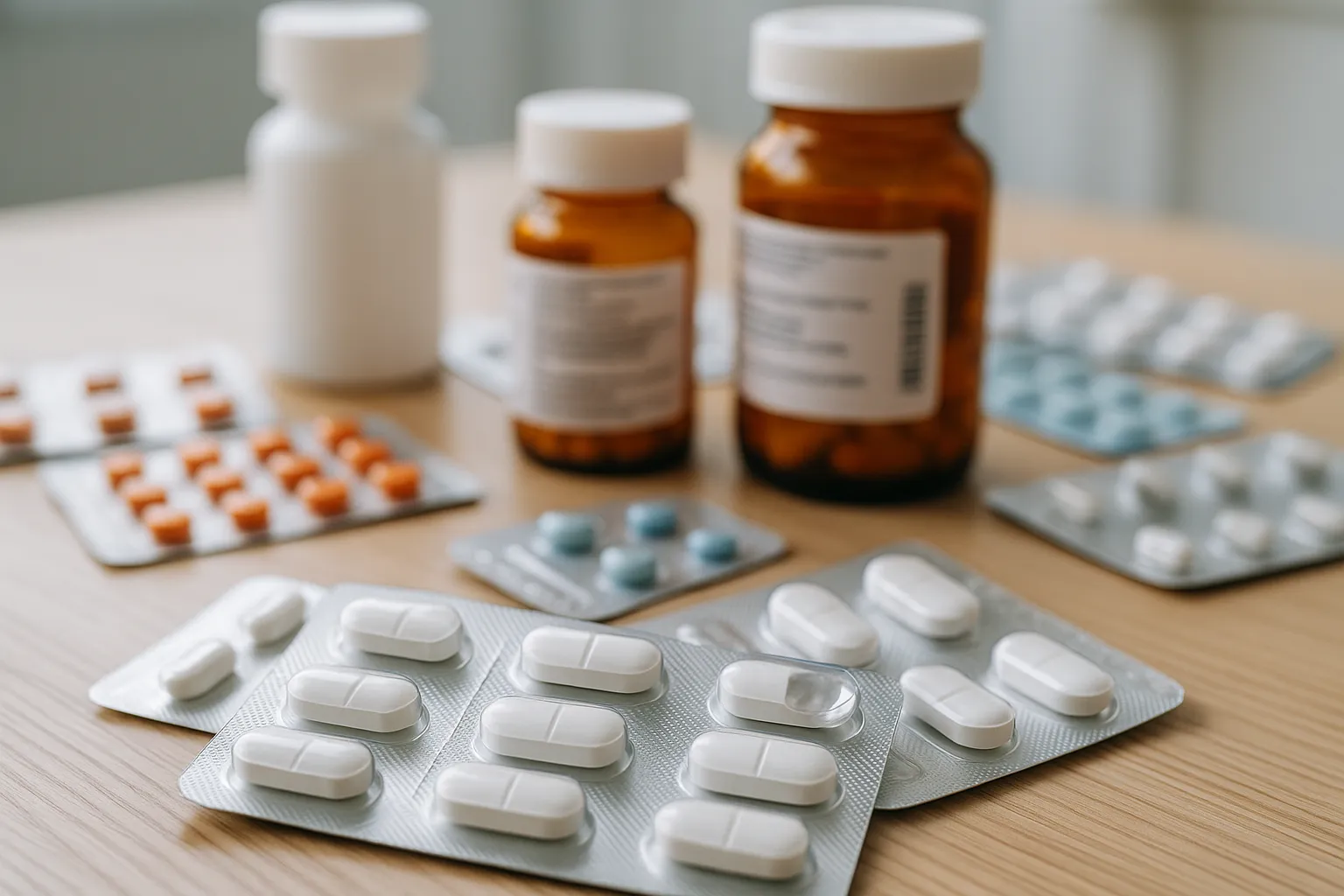
Health leaders across England have raised alarms over unprecedented medicine shortages that could pose significant risks to patients, particularly those whose health relies on consistent access to vital medications. With reports indicating that these shortages are among the “most severe” that the UK has faced, the potential for life-threatening consequences arises if patients miss even a single dose of their prescribed treatments.
Pharmacists and general practitioners (GPs) have described a troubling increase in shortages of frequently prescribed drugs, including pain relief medications, blood pressure capsules, and anti-epileptic treatments. The impacts of these shortages extend to various health issues, severely affecting individuals with conditions such as epilepsy, pancreatic cancer, cystic fibrosis, and symptoms related to menopause.
In light of these escalating challenges, there are increasing calls for the UK government to establish an emergency taskforce dedicated to addressing the ongoing supply issues. According to the National Pharmacy Association (NPA), which represents approximately 6,000 independent pharmacies, shortages have evolved into a “serious risk to patient safety.” Recent surveys by the NPA indicate that a staggering 96% of pharmacy respondents believe that these shortages are jeopardizing patient well-being.
The survey also revealed eye-opening statistics: 89% of pharmacies reported being unable to deliver prescriptions at least once a day due to supply issues, and 98% had witnessed patients visiting multiple pharmacies throughout the day in search of their necessary medications. Furthermore, 83% of pharmacies encountered aggressive behaviour from frustrated patients struggling to find their prescriptions.
The scenario has prompted disturbing reports from pharmacists about patients resorting to rationing their medicines or, in some cases, forgoing meals entirely due to the unavailability of treatments. A veteran pharmacist, reflecting on their three decades of experience, lamented, “We are experiencing the most significant shortages I have known.”
Olivier Picard, the chair of the NPA, emphasised the urgency of the situation, stating, “This data confirms what pharmacists and GPs have been experiencing for many months; medicine shortages are becoming more frequent, lasting longer, and causing increasing disruption for patients.” He continued to highlight the distress of patients travelling from pharmacy to pharmacy without success, underscoring the emotional toll these shortages take on vulnerable individuals.
In Greater Manchester, local pharmacists reiterated similar sentiments about the adverse effects of medicine shortages. Thorrun Govind, a well-known pharmacist in the area, stated, “It’s really important that people liaise with their pharmacy team to ensure they order their prescriptions in good time.” She acknowledged the frustration felt by patients and the emotional strain they experience when their medications are unavailable. Govind pointed out that the causes of these shortages are multifactorial, including issues like global conflicts and inflation, emphasising the need to consider the human impact of these global events.
Among the critical shortages affecting patients is Creon, part of the Pancreatic Enzyme Replacement Therapy (PERT) used to assist those with pancreatic cancer and cystic fibrosis in digesting food. The Serious Shortage Protocol (SSP), implemented since May 2024, has extended the disruptions until July 10, 2026, marking a prolonged period of supply issues concerning this crucial medication. Advocacy groups representing patients reliant on these treatments have expressed their growing concern, with Alice Billin, head of policy and public affairs at Cystic Fibrosis Trust, noting that secure access to these medicines is “critical” for those affected by these conditions.
The mental and physical health impacts of these ongoing shortages cannot be overstated. Anna Jewell, who oversees services and research at Pancreatic Cancer UK, highlighted the distress that difficulties in obtaining PERT can cause. Similarly, Clare Pelham, the chief executive of the Epilepsy Society, said, “We understand how worrying it can be for patients to run low on essential medication,” reiterating the life-threatening implications for individuals with epilepsy, where missing even a single dose can lead to dire circumstances.
In response to the ongoing crisis, the NPA has suggested reforms to current legislation that limits pharmacists’ ability to substitute unavailable drugs with appropriate alternatives. This regulation often forces patients to return to their GPs, leading to further delays in obtaining necessary medications. Professor Victoria Tzortziou Brown, the President of the Royal College of GPs, acknowledged the frustrations caused by these shortages and supported measures that would allow pharmacists greater flexibility in managing prescriptions while ensuring patient safety.
The urgency of addressing this situation was further highlighted by NHS England’s chief executive, Sir Jim Mackey, who expressed concern regarding the vulnerability of the UK’s medicine supply chain due to rising costs and global disruptions. Sir Jim’s comments came in response to growing fears linked to the UK’s dependency on imports for 75% of its medications, laying bare the potential ramifications of geopolitical tensions and supply chain disruptions.
Despite the increasing alarm regarding medicine shortages, health leaders have advised patients to continue ordering repeat prescriptions through established processes and to avoid stockpiling medications in an effort to help stabilise supply chains.
Experts warn that the current reliance on imported medicines renders the UK susceptible to international issues affecting production and distribution. As the situation continues to evolve, the dialogue surrounding the need for robust medicine supply chains remains crucial for safeguarding patient health and ensuring access to essential treatments in the future.
Our Thoughts
The ongoing medicine shortages in the UK highlight critical failures in supply chain management and patient safety protocols under the Health and Safety at Work Act 1974. To mitigate similar incidents, a proactive and coordinated approach among stakeholders across the supply chain is essential, including better forecasting and management of stock levels.
Regulations breached include the failure to ensure the availability of essential medications, which poses a significant risk to patient safety, as highlighted by the National Pharmacy Association’s alarming surveys. The lack of a rapid response mechanism to respond to shortages contravenes duties to protect patient welfare.
Key safety lessons include the necessity of establishing clearer communication channels between healthcare providers and pharmacies, as well as advocating for changes to legislation that restricts pharmacists’ ability to substitute unavailable medications, which creates hurdles in timely patient care.
To prevent similar incidents, creating a government-led emergency taskforce specifically focused on medicine supply resilience could enhance preparedness against future shortages, ensuring that patients’ health and safety remain prioritised during disruptions.