













Story Highlight
– Nail varnish remover recalled for toxic cancer-linked chemicals.
– Contains methylene chloride and chloroform, both banned.
– 4,000 units sold on Amazon from August 2025 to January 2026.
– Consumers advised to stop using, safely dispose, and request refunds.
– Recall aims to protect health and ensure safety compliance.
Full Story
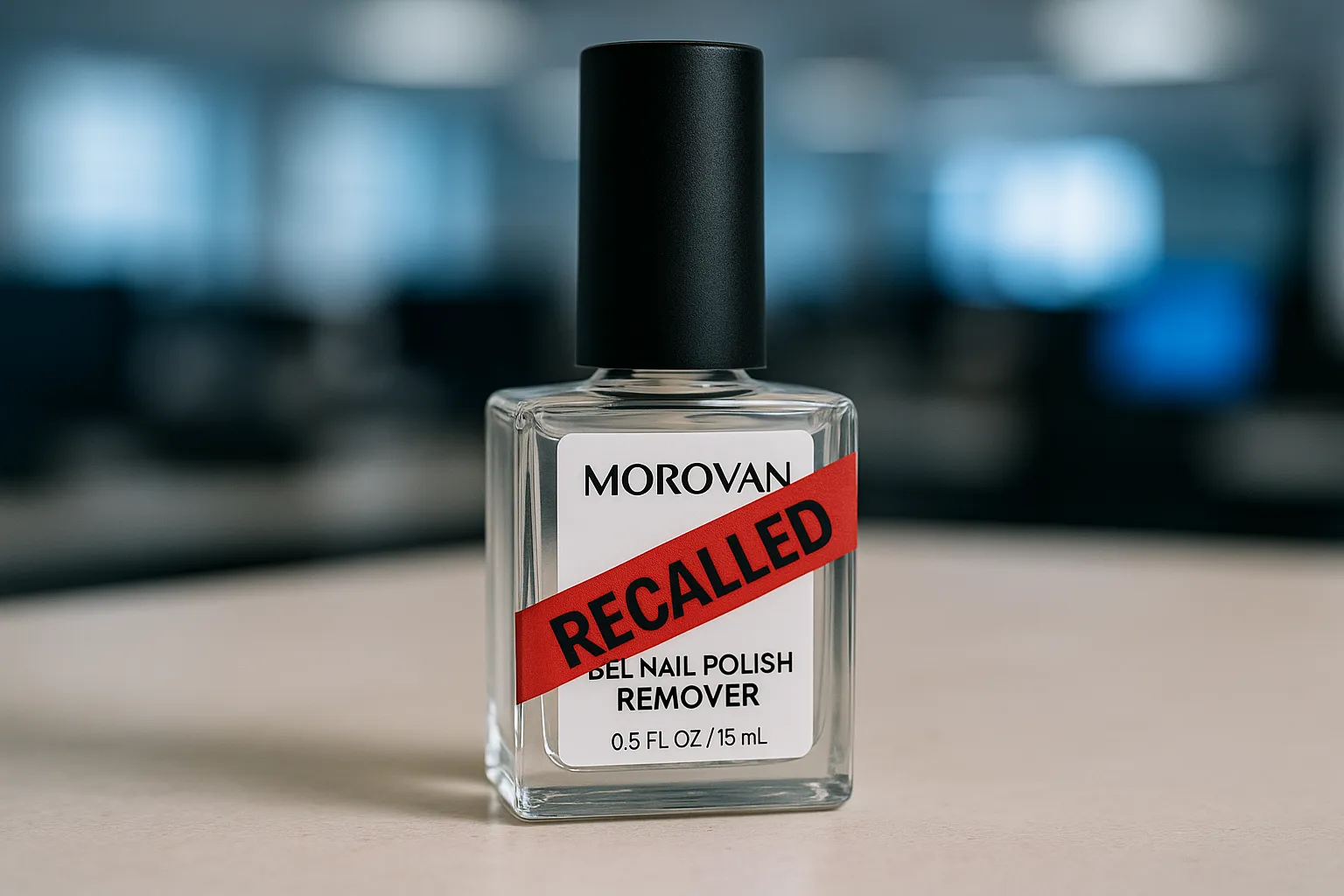
A significant health warning has been issued regarding a nail varnish remover that is currently being recalled due to the presence of toxic chemicals that have been associated with cancer. The product, manufactured by Morovan, has been removed from sale as it contains methylene chloride and chloroform, two substances that are prohibited in cosmetic goods within many jurisdictions, including the United States.
The recall affects approximately 4,000 units of Morovan’s Gel Nail Polish Remover, which were made available through Amazon between August 2025 and January 2026. The US Food and Drug Administration (FDA) has confirmed the recall after comprehensive testing identified these hazardous chemicals, raising concerns about the potential health risks they pose to consumers.
Methylene chloride is particularly concerning due to its classification as a substance that may lead to cancerous conditions. The FDA has strict regulations prohibiting the use of this chemical in cosmetic products because of its harmful effects on human health. Similarly, chloroform is also restricted due to its toxic nature. While no injuries have yet been reported among users of the product, health experts are stressing the importance of immediate cessation of use and safe disposal to prevent any potential health issues.
Consumers who have purchased the affected nail varnish remover are urged to discard the product right away. The appropriate method for disposal, in alignment with household waste regulations, involves marking the product as recalled, placing it with regular waste, and documenting the process. Specifically, buyers should take a photo of the discarded item featuring the “recalled” label and submit this image to Morovan’s customer service email, customer-service@morovan.com, to secure a refund.
The nail polish remover was packaged in 15-millilitre square bottles that were produced in February 2024, with an expiry date extending to February 2027. As part of the recall notification process, the FDA has highlighted the importance of adhering to safety regulations surrounding cosmetic ingredient safety, reflecting an increasing vigilance regarding consumer health products.
In addition to individual consumer action, the recall is expected to trigger broader scrutiny on retail practices concerning cosmetic sales, particularly in how vendors manage and disclose information about product safety. For those in the UK, it is advisable to consult the Food Standards Agency (FSA) and the Chartered Trading Standards Institute (CTS) websites, which provide information on product recalls and safety advisories.
The rise in cosmetic recalls has raised questions about the efficacy of current regulatory measures in protecting consumers from harmful substances. Industry experts advocate for enhanced scrutiny of ingredients in cosmetic items, reflecting growing public concern about health implications tied to everyday products. The situation underscores the necessity for strict compliance with safety regulations by manufacturers and retailers alike.
As this incident unfolds, more consumers may start to examine the ingredients contained in beauty and personal care products, fostering a demand for transparency from brands regarding their formulations. In today’s environment where health safety is a paramount concern, the public finds itself increasingly vigilant about the products it uses.
The reactions from consumers have been varied. Many express outrage over the potential danger posed by a widely available product. Furthermore, there are calls for the manufacturers to adopt more stringent safety measures in their production processes to prevent such harmful substances from entering consumer markets.
For those engaged in the beauty and personal care industry, this situation serves as a reminder of the critical importance of ingredient disclosure and safety compliance. The case has implications not only for manufacturing standards but also for retailers who must ensure the safety of the products they sell to the public.
In the wake of this recall, vigilant consumers are urged to report any products that raise similar safety concerns while remaining educated about the risks associated with certain chemicals in cosmetics. As regulatory bodies respond to this incident, it is expected that further action will be taken to enhance consumer safety in the beauty sector.
Ultimately, this recall has opened the door for a larger conversation regarding safety in cosmetics, prompting questions about the integrity of product safety regulations and the responsibility of companies in safeguarding public health. The ongoing developments will be closely monitored as both companies and regulatory agencies seek to prevent further incidents of this nature in the future.
Our Thoughts
The incident involving the toxic nail varnish remover highlights significant lapses in compliance with UK health and safety regulations, specifically the Cosmetic Products Enforcement Regulations 2013, which prohibit the use of hazardous substances like methylene chloride and chloroform in cosmetics. To prevent such occurrences, stricter verification processes for product safety prior to market release could be implemented by manufacturers and retailers.
Regular audits and product safety assessments should be mandated to ensure compliance with regulations. Additionally, the UK’s Competent Authorities, such as the Health and Safety Executive (HSE) and the Medicines and Healthcare products Regulatory Agency (MHRA), should enforce stronger penalties for breaches to promote adherence to safety standards.
Key safety lessons include the necessity of comprehensive ingredient scrutiny and robust supply chain management to avert the risk of harmful substances reaching consumers. Manufacturers should also provide clear information and training on the legal obligations and safety requirements surrounding cosmetic products. Enhanced consumer awareness campaigns regarding product safety recalls could improve public response and compliance.