















Story Highlight
– Residents criticize council’s warning against flying flags.
– Torrington Avenue known for patriotic flag displays.
– Council cites safety issues for flag regulations.
– Community members express disappointment with council’s stance.
– Calls for national pride and flag displays during World Cup.
Full Story
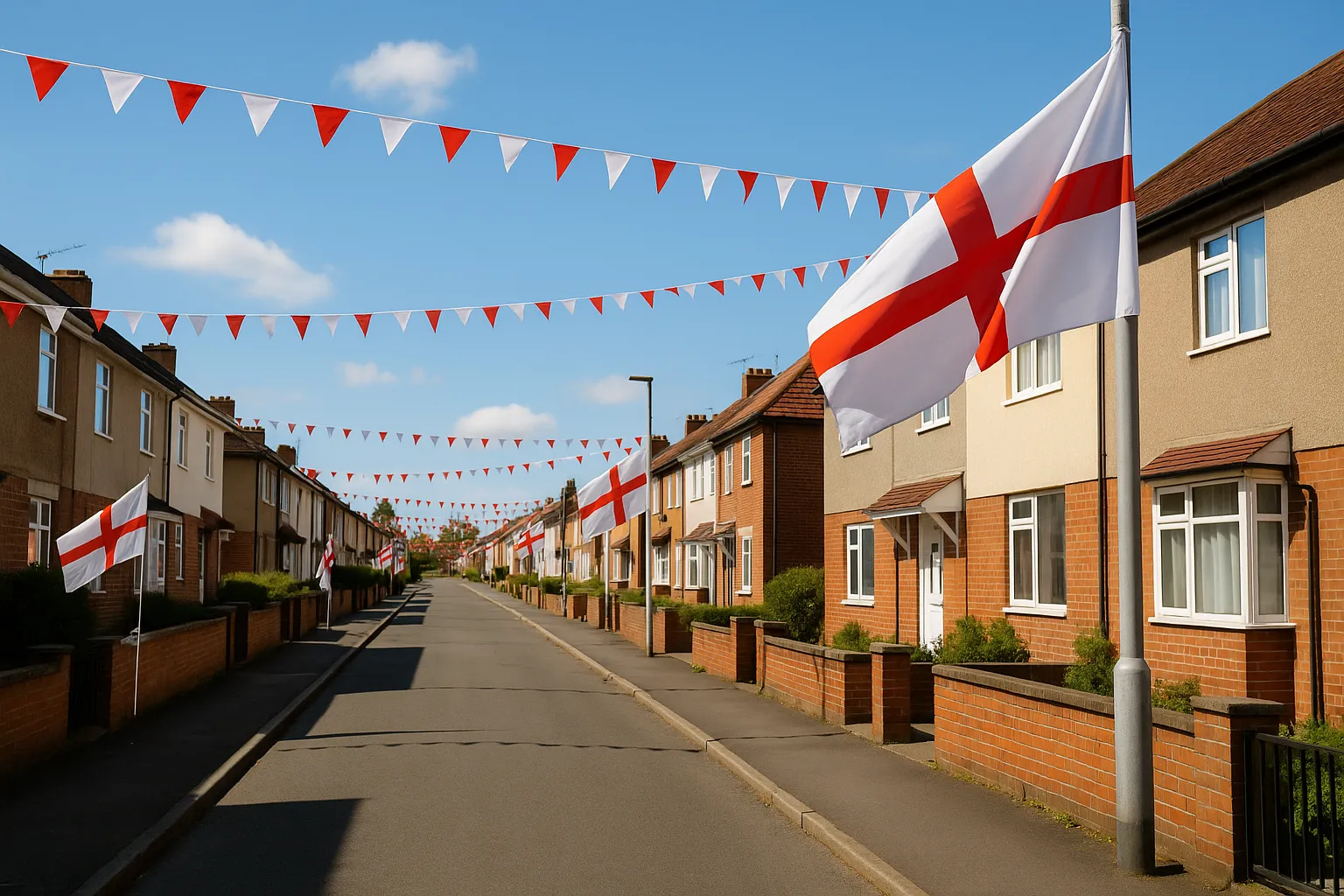
Residents of Torrington Avenue in Bristol, once celebrated as England’s most patriotic street, have expressed their discontent towards the local council’s recent directive discouraging the display of flags on public property during the World Cup. The street gained prominence in 2018 when it transformed into a vibrant showcase of St George’s flags and bunting during major football tournaments.
Ahead of this summer’s anticipated World Cup, Tony Dyer, the leader of Bristol City Council, advised locals to restrict flag displays to their private residences, citing health and safety concerns associated with attaching flags to lamp posts. This warning, however, has sparked backlash from the community, who view the council’s intervention as unnecessary and overreaching.
Torrington Avenue had been synonymous with football fervour; during previous tournaments, homes along the street would be adorned with England flags, creating a festive atmosphere. The community spirit surrounding such displays has become a beloved tradition, but this year, many residents noticed a significant decline in the number of flags, with just a few visible days before England’s opener against Croatia.
Community locals cite various reasons for the subdued flag displays this year. For some, the passing of a key organiser behind the flag initiative has left a palpable void, while others suggest the council’s warnings have instilled fear about potential repercussions for violating the flag regulations. “We’ve always done it,” commented a local woman who wished to remain anonymous. She expressed hope that the flags could still be raised, reminiscing about the celebratory spirit that enveloped the street during previous tournaments.
As the community navigates this contentious issue, sentiments vary widely. For example, resident Kelly Perks questioned whether the council members understood the impact of their directive. “Do they put a flag up in their street?” she challenged, suggesting that a more relaxed approach might foster greater enjoyment of such festivities. She called on the Prime Minister to affirm the right to celebrate and display national colours.
Conversing about the decline in flag displays, another resident remarked on the financial constraints facing many in the community, suggesting that these financial realities may contribute to a reluctance to partake in the traditional celebrations. Concerns about potential accusations of racism have also surfaced, complicating the conversation surrounding national pride.
Warren Ryan, another local, argued that council policies have dampened the community’s spirit. He highlighted the difference in patriotic expressions between the UK and countries like the United States, where flag displays are abundant. “He [the council leader] has scared everybody to death by saying you’re not allowed to put the flag up,” Ryan said, asserting that English citizens should take pride in their nationality.
Overall, there is a consensus among several residents that such displays are not intended to provoke but instead act as symbols of national pride. Ange Caddick lamented the shift in celebration during the World Cup, stating, “There’s no fun in the World Cup now.” Reflecting on previous years’ displays, Caddick noted how the community’s love for football transcends the mere imagery of flags.
Comments from local leaders further contextualise the situation. Richard Thomas, a resident of a nearby street, condemned the council’s mistrust in local citizens’ ability to celebrate responsibly. “You’ve got to support England. We’re English,” he asserted, highlighting a strong sense of identity within the community.
The local authority’s position is clear: officials maintain that guidelines around public displays are founded on health and safety rules and that flags can be dangerous if not properly secured. The Highways Act 1980 allows councils to regulate what can be attached to public property, and concerns have been raised that flags could obstruct visibility for drivers and pedestrians.
In a wider context, councils across the region, including South Gloucestershire and Wiltshire, have echoed similar warnings against unauthorized displays, viewing these regulations as necessary for public safety. However, Dyer stressed that the council values the spirit of the World Cup celebrations and encourages individuals to display flags from their homes to foster a sense of community pride and camaraderie.
The sentiment within the community is clear: there is a desire for unity and celebration amidst the tournament. Many residents argue that their passion for football should translate into public displays of national identity without fear of repercussion. “It’s just an England flag. It’s there because it’s our country,” noted Caddick, reinforcing the idea that such celebrations should be embraced rather than stifled.
Calls for change are growing louder, with former Labour health secretary Wes Streeting voicing his dissatisfaction with the ruling. Streeting suggested that the flags should be flown to embrace the occasion positively, emphasizing the importance of collective national pride during events like the World Cup.
For now, residents of Torrington Avenue continue to navigate the complexities of community sentiment, council regulations, and personal expression. While the flags may be less prominent this year, the inherent desire for a spirited celebration of national achievement through football endures. The vibrant displays that once defined Torrington Avenue might wane, but the community’s identity and passion for the sport remain a cornerstone of their unity. As the World Cup progresses, the hopes for both personal and collective celebration persist, reflecting the enduring spirit of a neighbourhood bonded by a shared love for their country and its football legacy.
Our Thoughts
The article highlights concerns regarding flag displays on public property during the World Cup due to safety warnings from local authorities. To avoid potential hazards, it is crucial to adhere to guidelines outlined in the Highways Act 1980, which prohibits attaching items to public structures without consent.
Key safety lessons include the importance of conducting thorough risk assessments prior to permitting decorations on public property, especially concerning visibility and obstruction for road users. Clear communication from authorities about regulations can help mitigate misunderstandings and foster community participation.
The council’s warnings, intended to ensure public safety, may have unintentionally stifled a long-standing community tradition. A more balanced approach could involve providing designated areas or sanctioned methods for displaying flags that maintain safety without dampening community spirit.
To prevent similar incidents, councils could establish clearer guidelines that respect local traditions while addressing safety concerns, ensuring residents are informed about appropriate flag display methods. Encouraging resident involvement in monitoring compliance could also foster a collaborative approach to community celebrations during significant events.