






Story Highlight
– Squishy dumpling toys popular from social media unboxing trends.
– Safety alerts issued due to counterfeit versions’ hazards.
– Toxic chemicals found in some fake toys, posing risks.
– Councils warn against microwaving toys; potential burns hazard.
– Parents advised to verify safety markings before purchasing.
Full Story
Local authorities across the UK are raising alarms about the safety of squishy dumpling toys, which have surged in popularity among children and collectors. The rise in interest has been linked to a wave of viral unboxing videos shared on platforms like TikTok and YouTube, showcasing the soft and tactile appeal of these toys. However, the increasing demand has also led to a concerning influx of counterfeit products that fail to meet necessary health and safety standards.
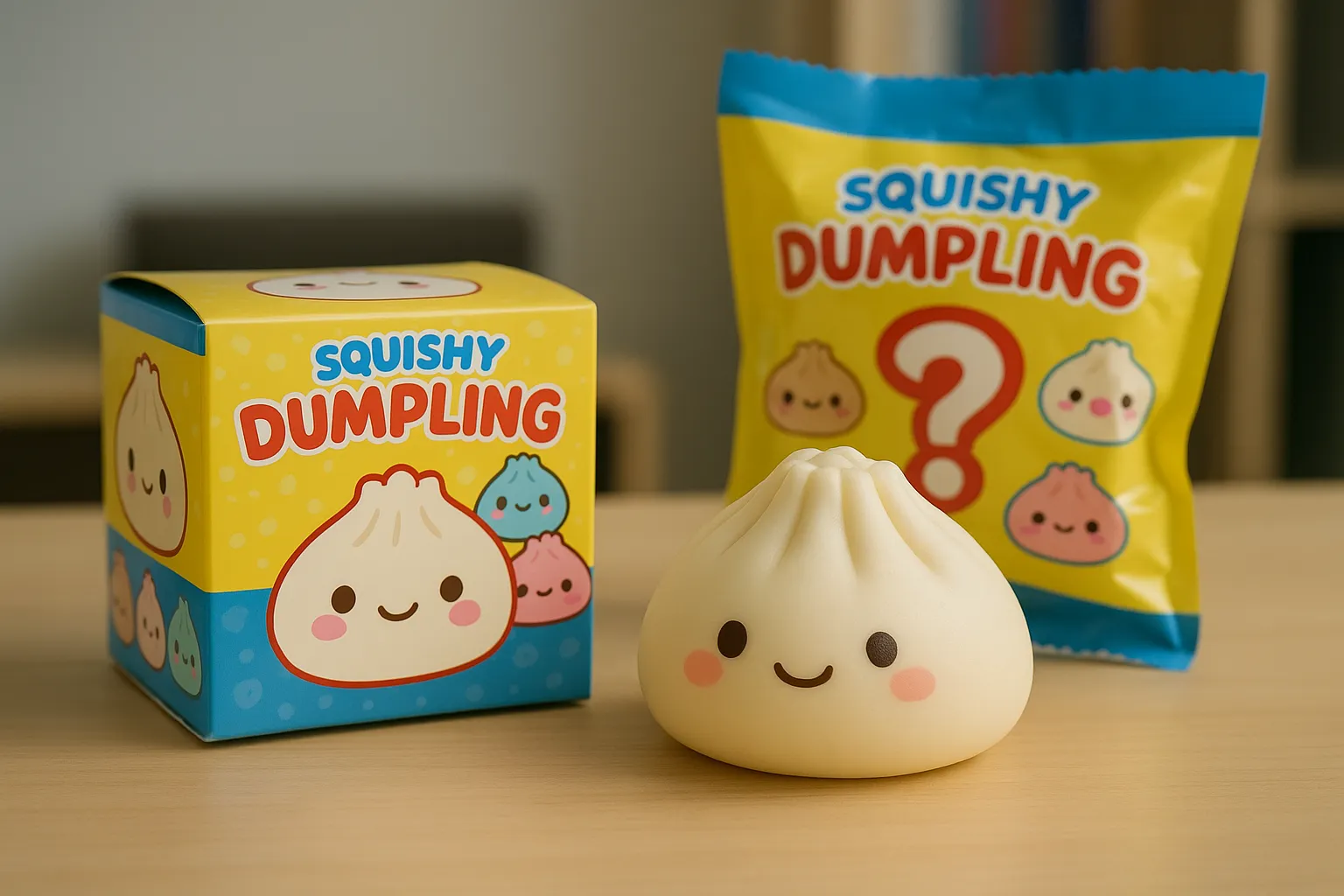
The squishy dumpling toys are often marketed in ‘blind boxes’, creating an element of surprise as children open each box to reveal the hidden character inside. Manufactured by RMS, these items have become collectable treasures, blending the enjoyment of unboxing with sensory play. Yet, as their popularity grows, so do the associated safety concerns.
Trading Standards officials have expressed serious worries regarding the counterfeit versions of these toys, which have surfaced in the marketplace. These fake products are reported to possess strong chemical odours, lack essential safety information, and are devoid of proper labelling. Authorities are urging shoppers to be vigilant, particularly with toys that emit pungent smells, appear unreasonably cheap, or lack crucial safety certifications, such as CE or UKCA markings.
The excitement surrounding these toys has been amplified by social media influencers who generate content showcasing the unboxing experience, thus captivating both children and collectors. While the soft textures and unique designs have attracted many fans, the emergence of imitation products poses significant potential harm. Concerns have been raised about the presence of harmful chemicals in some of these counterfeit toys, which may not comply with UK regulations designed to protect children.
Investigations have revealed that certain knock-off toys contain hazardous materials and are constructed poorly, raising risks of choking and other health issues. Outrageously, there have been reports of individuals microwaving these toys in an attempt to enhance their squishiness — a practice deemed highly unsafe. Such heating may lead to the breakdown of materials, resulting in the release of toxic fumes or causing severe burns if they burst.
In Glasgow, local authorities took action by seizing nearly 6,000 counterfeit squishy dumpling toys from a warehouse, flagging them as dangerous due to harmful chemical emissions. Aberdeen City Council has also joined in issuing a warning, urging parents and retailers to scrutinise products for basic safety indicators. The alarm was further raised by Swansea Council after parents reported the presence of toys with a strong, petrol-like smell; subsequent testing unveiled hazardous volatile organic compounds.
Furthermore, councils in England, including Warrington, Trafford, Blackburn with Darwen, and Stockton-on-Tees, have echoed these warnings, advising parents to purchase only from trustworthy retailers. Parents are encouraged to ensure that the toys they buy come with clear safety certifications, such as CE or UKCA markings, are labelled in English, and originate from manufacturers with a track record of compliance with safety regulations.
The specific hazards outlined by councils include the presence of toxic chemicals in imitation toys, which can cause adverse health effects such as nausea, skin irritation, and respiratory issues. The threat of choking is also significant, as many counterfeit products are prone to splitting open, leaking dangerous liquids or gels, and featuring small parts that do not adhere to flammability safety standards.
Local councils are now taking a more proactive stance on the matter, encouraging community awareness regarding the risks posed by these toys. Parents and caregivers are advised to inspect packaging closely for safety markings and labels before making purchases, to ensure that products are safe for use.
In addition to promoting consumer vigilance, experts are calling for comprehensive measures to combat the influx of fake squishy dumpling toys. Suggestions have included stricter regulations and enhanced surveillance of retail outlets, particularly online platforms where counterfeit products are frequently listed.
As the fascination with squishy dumpling toys continues to dominate the toy market, the emphasis on safety must not be overlooked. The interplay between the toys’ appeal and their potential risks highlights the necessity for informed consumer choices, especially in a landscape increasingly influenced by social media trends.
Parents and gift-givers should remain cautious, aware that the allure of a fun unboxing experience can sometimes lead to unexpected dangers. By prioritising safety and purchasing only from reputable sellers, they can help protect children from the harmful effects of substandard toys, ensuring that playtime remains a safe and enjoyable experience.
Our Thoughts
To prevent the safety issues associated with squishy dumpling toys, several key actions could have been taken. First, stricter enforcement of market surveillance by Trading Standards could have identified and removed counterfeit products earlier. The presence of harmful chemicals indicates a breach of the General Product Safety Regulations 2005, which requires that products must not pose a danger to health and safety. Manufacturers and retailers should ensure compliance with the Toys (Safety) Regulations 2011, ensuring adequate safety testing and proper labeling with CE or UKCA marks.
Consumer education campaigns could increase awareness of the risks associated with counterfeit toys, emphasizing the importance of purchasing from reputable retailers. Additionally, guidelines must discourage dangerous practices, such as microwaving toys, which can create hazards beyond those intended by the manufacturers.
Overall, improved regulatory oversight, consumer education, and industry adherence to safety standards are crucial in preventing similar incidents and ensuring that all toys on the market are safe for children.