















Story Highlight
– UK Athletics fined £350,000 for Paralympian’s death.
– Abdullah Hayayei killed by collapsing practice cage in 2017.
– Cage improperly assembled without essential base plates.
– Judge calls death “tragic, untimely, and avoidable.”
– Safety negligence highlighted; UK Athletics’ penalties concern funding.
Full Story
UK Athletics Limited has been fined £350,000 following the “entirely preventable” death of Abdullah Hayayei, a 36-year-old Paralympian, who was fatally injured when a training cage fell on him during a practice session. Hayayei, who was a father of five and preparing to represent the United Arab Emirates at the World Athletics Championships in London, suffered the tragic accident on July 11, 2017, at the Newham Leisure Centre in east London.
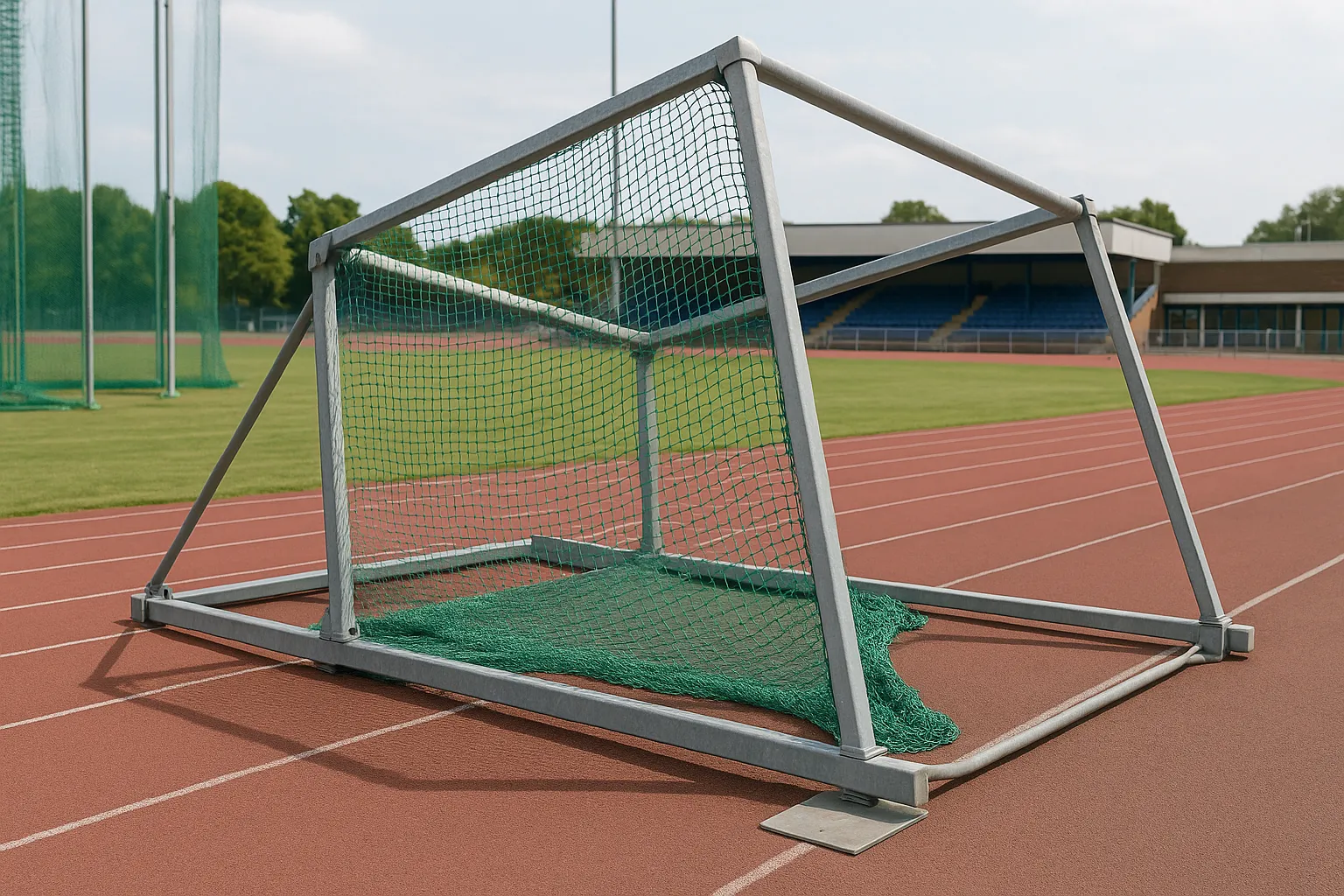
The accident occurred when a 440-pound metal structure, a cage intended for athletic practice, collapsed due to improper assembly and the absence of a crucial base plate. The court described this situation as “an accident waiting to happen.” In response to the charges brought against them, UK Athletics Limited admitted to corporate manslaughter. Consequently, the organisation was fined £350,000, supplemented by an additional £44,000 in costs, payable over a period of six years.
Keith Davies, 79, who held the position of head of sport for the 2017 World Paralympic Athletics Championships, also faced legal repercussions. He pleaded guilty to a health and safety charge and was sentenced to a community order requiring him to complete 175 hours of unpaid community service. During the sentencing, Judge Richard Marks KC described Mr Hayayei’s death as “tragic, untimely and wholly avoidable,” highlighting that the systemic failings of UK Athletics were not isolated incidents.
Judge Marks underscored that imposing a significant financial penalty could undermine UK Athletics’ capacity to support its athletes and engage positively with the community. He pointed out to Mr Davies that he should have recognised the critical importance of the base plates in the construction of the training cages. Despite being previously warned following another incident where an identical cage collapsed, Davies had taken insufficient measures to ensure the safety of the equipment, acknowledging that the incident was inevitable given the circumstances.
In a poignant statement delivered via video link from the UAE, Badriah, Mr Hayayei’s widow, shared the profound impact her husband’s untimely death has had on their family. She articulated the immense grief and responsibility thrust upon her and their five children, who were aged between two and 14 at the time of the tragedy. “I hope the court looks at the magnitude of the harm to our family because Abdullah was not just a person who passed away. He was a father, a husband with responsibilities, dreams and a future,” she expressed. Badriah urged the court to consider the negligence involved, stating, “What happened was not just a simple mistake but the result of negligence, gross negligence, that could have been avoided if safety procedures adhered to.”
Mr Hayayei, who had cerebral palsy and was a wheelchair user, was set to compete in the shot-put event during the World Athletics Championships in Stratford. The court revealed that despite UK Athletics acquiring two similar cages from the 2012 Olympics, neither had been assembled correctly with their respective base plates over a span of five years. The cages had been provided to UK Athletics by the organising committee for the London 2012 Games, yet both had experienced safety issues prior to the fatal event.
The prosecutor, John Price KC, described the situation as an ongoing risk that had persisted for years. “Very many athletes will have been within the cages and many more standing or passing close by. It was a perennial hazard, or to use a familiar phrase, an accident waiting to happen,” he stated.
On that fateful afternoon in July 2017, while under the watchful eye of his coach, Ayman Mohamed Ali Ibrahim, and his deputy, Mr Hayayei was training when sudden winds destabilised the cage structure, leading to the collapse. Mr Ibrahim recounted the shocking moment: “We were surprised by the wind that came all of a sudden and moved the whole cage, causing the bar on the top to fall directly on his head. My assistant and I rushed to help.” Tragically, despite immediate medical attention, Mr Hayayei fell unconscious and was pronounced dead later that evening.
In the aftermath of the incident, Mr Davies contested that UK Athletics had never received the necessary base plates. However, this claim was disputed in court. Evidence showed that the base plates for one of the cages had been stored at the London Stadium but were later removed to Cambridge. Efforts to locate the base plates attached to the cage that collapsed proved fruitless.
Following the tragic incident, regulatory authorities implemented a prohibition notice that prevented both training cages from being used. Remarkably, prosecutor Price noted that UK Athletics made attempts to lift the prohibition on one of the cages, a request that was ultimately denied.
Corporate manslaughter can attract substantial fines, ranging from £180,000 to £20 million, according to the Sentencing Council guidelines. UK Athletics, which serves as the national governing body for athletics in the UK, had reported an annual revenue of £13.8 million, but its financial health is facing challenges, with forecasts indicating a loss of £400,000 in the coming year.
As this case unfolds, it highlights the critical importance of stringent adherence to health and safety regulations within sporting environments, ensuring the safety and well-being of athletes and all individuals involved in training activities.
Our Thoughts
UK Athletics Ltd’s failure to ensure the proper assembly and use of the practice cage led to the tragic death of Abdullah Hayayei. The incident highlights multiple breaches of health and safety regulations under the Health and Safety at Work Act 1974, specifically regarding risk assessment and safe working environments. The organization had a responsibility to provide a safe environment, which included ensuring that equipment was properly assembled with all necessary parts, such as base plates.
To prevent such incidents, UK Athletics should have conducted regular safety audits and equipment checks, particularly after learning from a previous collapse of an identical cage. The organization also failed to act on warnings raised after prior incidents, indicating a lack of effective safety management and training for staff responsible for equipment safety.
Key lessons include the necessity for rigorous adherence to safety protocols, thorough training for personnel, and prompt action upon the discovery of safety deficiencies. Implementing robust safety management systems and maintaining clear communication regarding equipment standards are essential for preventing similar occurrences in the future.