
















Story Highlight
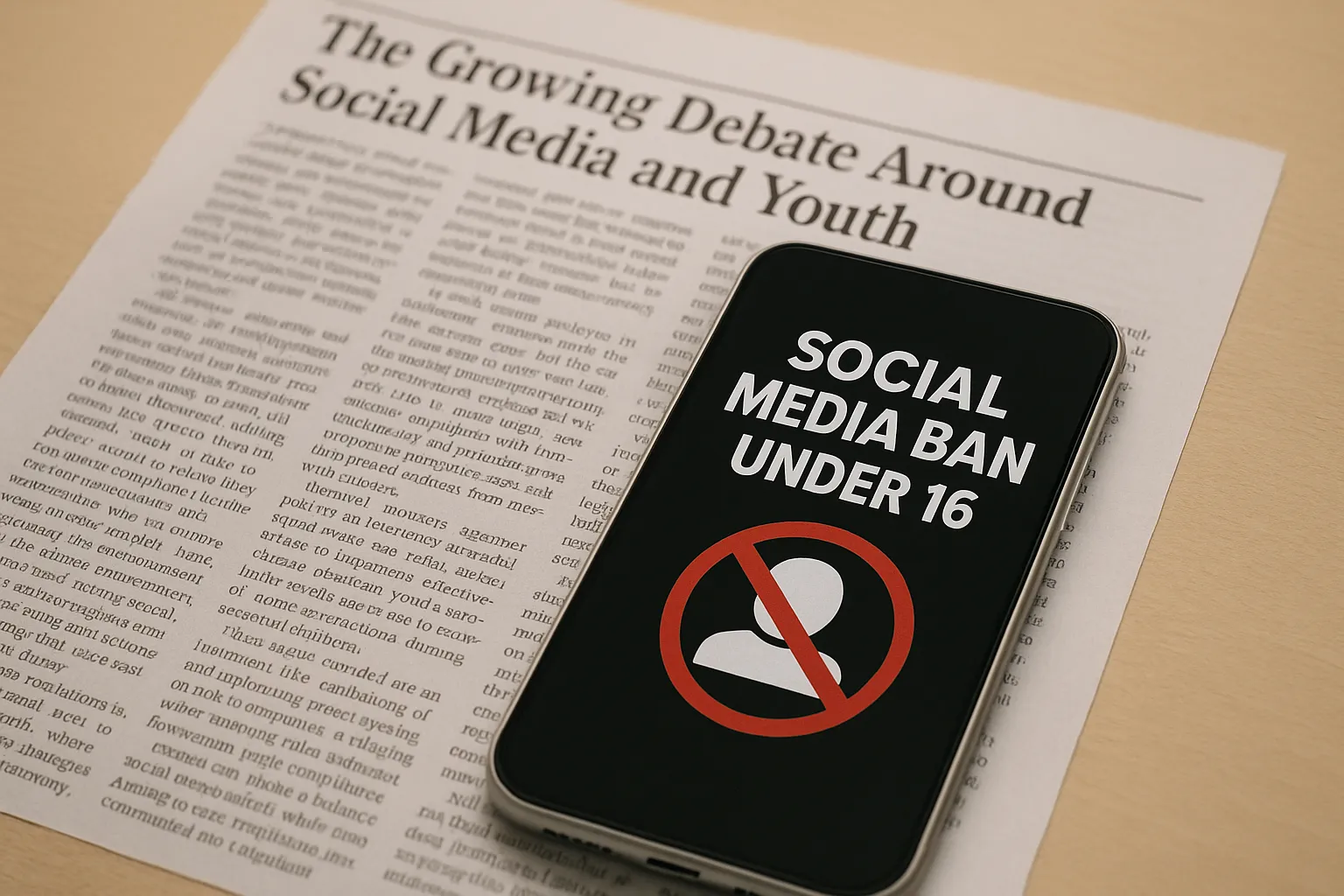
– UK bans social media access for children under 16.
– Policy aims to enhance youth online safety and well-being.
– Parents face challenges ensuring compliance and monitoring use.
– Critics raise concerns about free speech and privacy risks.
– Global trend towards regulating minors’ social media access grows.
Full Story
The Rise of Controversy Surrounding Social Media Access for Youth
In a development that has ignited widespread debate, the UK government has put forth a new regulation that prohibits children under the age of 16 from using popular social media platforms. This policy represents a decisive move in the global dialogue on the governance of digital platforms, particularly in relation to the safety and mental well-being of younger users. As stakeholders including parents, educators, and lawmakers consider the implications of this initiative, several key questions surface regarding its practicality, enforcement methods, and its implications for free expression.
Overview of the New Regulation
The policy enacted by the UK government specifically targets prominent social media sites such as Instagram, TikTok, and Snapchat, effectively barring access for anyone under 16. This decision comes in light of escalating fears concerning the adverse impacts of social media on youth, including issues related to mental health, privacy violations, and overall safety. The government’s position is unequivocal; by limiting access to these platforms, they seek to cultivate a more secure online environment for children.
Implementation of this ban will necessitate considerable collaboration from social media firms, which are now compelled to introduce rigorous age verification processes. Should these companies fail to comply, they risk facing significant financial penalties. The onus is thus on parents to comprehend the ramifications of this new policy on their children’s digital interactions and what measures they can take to comply with these regulations.
A Global Perspective on Youth Social Media Regulations
The UK’s stance is not an isolated occurrence. Internationally, nations such as China have already enacted strict measures governing social media for minors, while France is exploring legislation aimed at curbing children’s excessive screen time. This shift highlights a growing concern globally about managing the delicate balance between technological engagement and youth welfare. The approach taken by the UK resonates with a larger, worldwide conversation about the relationship between childhood experiences and online activity.
Family Dynamics and Emotional Responses
The social media ban has elicited a wide array of emotional reactions within families. Many parents express concern regarding their children’s social lives and the emotional fallout that may arise from being cut off from platforms that are quintessential to modern youth culture. Conversely, some parents feel reassured by the government’s intervention, believing that restricting access could shield their children from the negative aspects and pressures prevalent in digital spaces.
This divergence in sentiment may lead to intricate discussions within households, obliging families to navigate the challenging dynamics between setting safety boundaries and respecting children’s autonomy. Parents face the formidable task of balancing protection with the natural desires of their children to connect and interact online.
Challenges in Enforcement
The efficacy of enforcing this social media ban is expected to be among its most contentious aspects. Platforms will need to adopt effective age verification systems to ensure compliance, but critics are questioning the real impact of such mechanisms. Critics argue that existing age verification technologies can be easily bypassed, raising doubts about whether the ban can achieve its intended effects.
Moreover, the necessity for parents to monitor compliance places an additional burden on families. Understanding the plethora of available applications and platforms can be overwhelming, leading to questions regarding the resources available to assist families in navigating these complex challenges.
Concerns About Privacy
While the intent behind the UK’s ban on social media for minors is to safeguard young users, it simultaneously raises pressing questions about privacy. Age verification methods could involve gathering sensitive personal data, consequently exposing children’s information to potential breaches. This issue is particularly pertinent as privacy has emerged as a top concern in the digital age. Parents must now weigh the risks of providing personal information against the need to protect their children online.
The Debate on Free Expression
One of the most hotly contested discussions surrounding the social media ban involves the implications for freedom of expression among youths. Critics assert that restricting access for younger users may encroach upon their rights to communicate and express themselves. In an era where social media serves as a primary outlet for youth communication, policymakers must consider how to safeguard minors without infringing on their rights.
Finding a balance is imperative. Policymakers are tasked with the challenge of ensuring safety while allowing youths the freedom to explore their identities through digital channels.
Expert Views on the Ban’s Effectiveness
Professionals specialising in child psychology and online safety present a variety of perspectives on the UK’s youth social media ban. Some advocate that limiting access to these platforms could lead to a significant reduction in exposure to harmful content and online harassment, both of which have been linked to mental health challenges among adolescents. Others caution against an outright ban, suggesting that education about safe online behaviours may offer a more practical and empowering solution.
Child psychologist Dr Emily Thompson has indicated that open discussions about social media may be more beneficial than restrictions. “It’s crucial for children to understand the potential risks and benefits of their online interactions,” she noted, highlighting the importance of equipping youths with the skills necessary to navigate the digital landscape responsibly.
Comparative Approaches to Regulation
As the UK advances with its new policy, it can be constructive to examine comparable efforts from other nations. In South Korea, for example, regulations exist that limit the duration children can spend on social media to combat digital addiction. Similarly, in the United States, ongoing debates have not yet yielded federal regulation to safeguard minors online, although discussions continue.
This examination reveals a mosaic of international approaches to youth engagement in the digital realm. Each country must contend with unique cultural, social, and legal circumstances, resulting in a spectrum of strategies aimed at tackling the issues presented by social media usage. The effectiveness of these diverse methodologies remains to be seen, but they certainly contribute to a growing global emphasis on responsible technology use among young people.
Guidance for Parents
As this new paradigm shifts into place, parents must adapt their approaches to their children’s social media use. To navigate this transition, consider the following steps:
1. Stay informed: Understand how the new regulations will impact your child’s access to social media.
2. Foster communication: Encourage candid discussions about your children’s online experiences, inviting them to share their feelings openly.
3. Establish guidelines: Create clear rules governing social media use, seeking a balance between safety and autonomy.
4. Use monitoring tools: Implement parental control technology to gain insight into your child’s online habits, ensuring a safer internet experience.
By adopting these measures, parents can effectively support their children’s navigation through the complexities of social media while prioritising their safety and well-being.
The Future Landscape of Social Media Regulation
The establishment of the UK social media ban for minors represents a pivotal moment in the ongoing discourse around online youth protection. As technology continues to evolve, so too must approaches aiming to create a secure environment for young users. Future regulations will likely need to be adaptable, responding dynamically to changes in the digital landscape and evolving societal attitudes towards social media.
Ultimately, the success of this initiative hinges on its implementation and the ongoing dialogue between lawmakers, tech companies, and families. A cooperative approach encompassing these various stakeholders could lead the way toward fostering a healthier digital ecosystem for future generations.
Long-Term Perspectives
Beyond immediate effects, the UK’s social media restrictions might reshape how youth interact with digital media in the long term. Children may turn to alternative modes of communication and entertainment, perhaps rediscovering traditional pastimes such as reading, outdoor activities, or in-person socialising.
Yet, unintended consequences could also emerge. Restrictions might heighten children’s curiosity, driving them to find covert ways to access barred platforms, possibly fostering a culture of secrecy. This may subvert the goal of encouraging safe online behaviour.
Engaging with Statistics
To further comprehend the urgency surrounding this matter, consider pertinent statistics. A report from the National Society for the Prevention of Cruelty to Children revealed that 82% of children between the ages of 12 and 15 in the UK utilise social media, with many averaging over two hours daily on these platforms. This widespread usage raises serious concerns regarding exposure to online threats and harassment.
Furthermore, research indicates that children who spend excessive hours on social media face heightened risks of adverse mental health outcomes such as anxiety and depression. By putting this ban in place, the UK government aims to intervene in these troubling trends and nurture a safer environment for its youth.
Listening to Young Voices
To fully understand the implications of the social media ban, it’s essential to consider the viewpoints of children themselves. A survey conducted by youth advocacy groups indicated that approximately 60% of young people regard social media as a vital component of their social engagements. Yet, many also expressed concerns about potential exclusion from social circles if their access to these platforms were restricted.
Interestingly, around 40% of those surveyed expressed support for measures designed to enhance safety, including more stringent age verification and better content moderation. This suggests that while young people cherish their online interactions, they also recognise the necessity for some protective measures.
Conclusion
The UK’s regulation of social media access for those under 16 is a significant step in the debate about digital youth engagement and safety. As global conversations about similar policies unfold, the focus remains on how best to protect and empower young users in an increasingly digital society. Balancing the imperative of safeguarding children with the need for freedom of expression is essential as society navigates the future of social media. Ultimately, collaboration between parents, policymakers, and tech companies will be crucial in fostering digital environments that safeguard the well-being of youths while enabling healthy interactions.
Our Thoughts
The article discusses the UK government’s new social media ban for children under 16, aimed at protecting young users from mental health issues, privacy concerns, and online risks. To prevent potential breaches of safety and privacy, clearer guidelines and collaborative efforts with social media companies should have been established beforehand. The lack of robust age verification methods poses a significant risk of circumventing the ban, which breaches the requirements set by the UK’s General Data Protection Regulation (GDPR) regarding the protection of personal data and privacy for children.
Key safety lessons include the importance of engaging children in understanding online safety rather than relying solely on restrictions, and the need for comprehensive education about digital literacy. Similar incidents could be avoided by ensuring that parents have access to resources and support for managing their children’s online activities effectively, thus fostering a partnership between parents, educators, and lawmakers.
Ultimately, the focus should shift from absolute bans to promoting responsible online engagement while addressing the challenges of enforcement, privacy, and the potential negative impact on youth autonomy.