













Story Highlight
– Horsham District Council issues food safety warning.
– Alert covers Inarah Frozen Foods products and brands.
– Council prioritizes public health and food safety.
– Officers to inspect shops and remove affected items.
– Consumers advised to dispose of purchased products.
Full Story
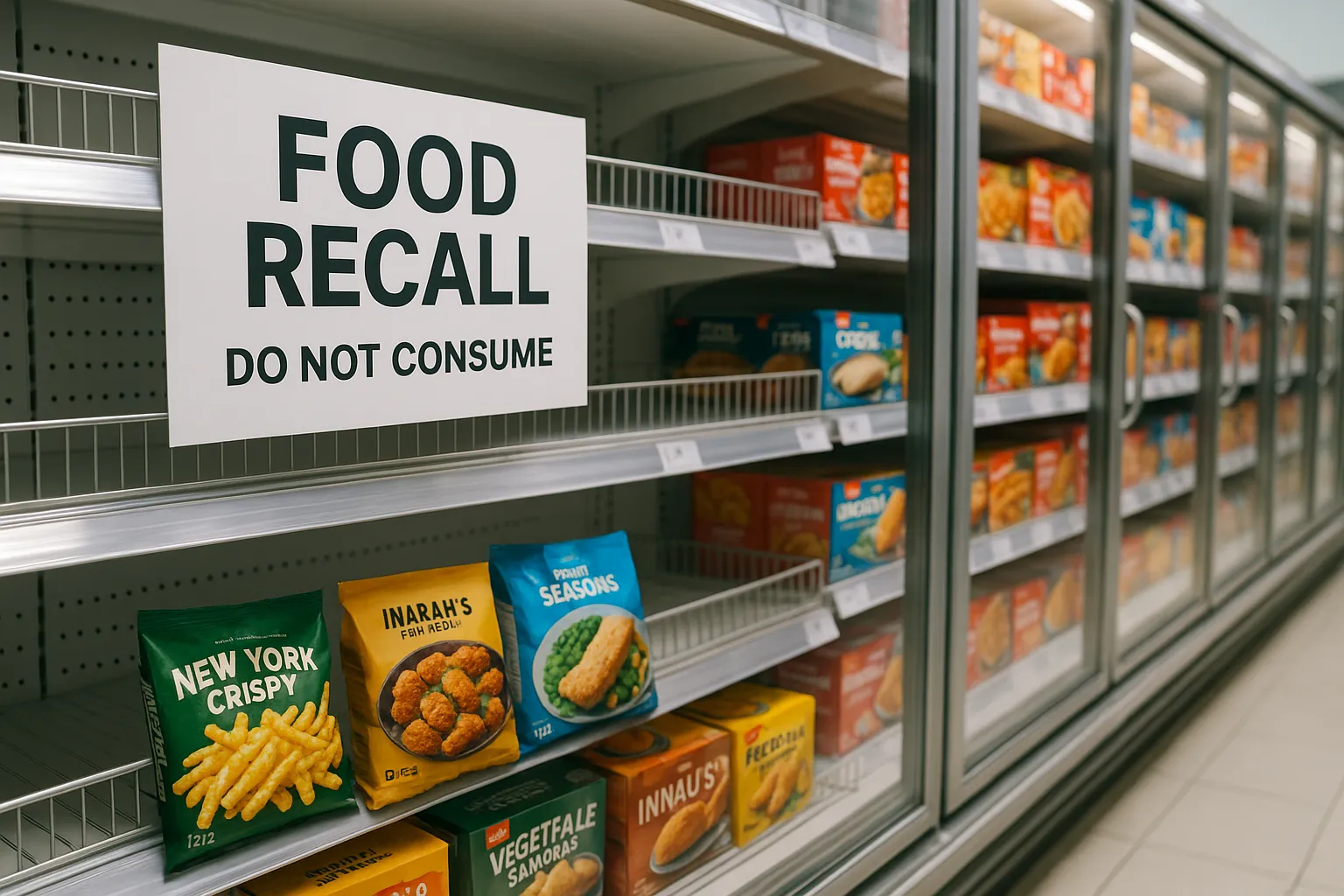
Horsham District Council has issued a cautionary notice to residents and local businesses regarding specific varieties of packaged frozen foods, following guidance from the Food Standards Agency. This advisory affects products manufactured by Inarah Frozen Foods Ltd, Four Seasons Food Group, and KBH Foods. Included in this alert are items marketed under the names of Inarah’s Frozen Foods, Inarah’s Fine Foods, and New York Crispy.
Councillor David Skipp, who oversees environment, recycling, and waste management for the district council, stated that the council prioritises food safety and safeguarding public health. He emphasised, “We take matters of food safety and protecting public health as critical priorities.” To address the situation, council officers are set to visit local retailers that might sell these products, ensuring their removal from shelves.
The warning concerns a variety of frozen goods, including chicken, beef, fish, and vegetarian options that were produced by the aforementioned companies. In light of the alert, members of the community who may have purchased any of the affected items are urged to refrain from consuming them and dispose of them responsibly at home.
Residents seeking further clarification or assistance can reach out to the council’s Environmental Health and Licensing team via email at ehl@horsham.gov.uk. The proactive stance taken by the Horsham District Council aims to mitigate any potential risks associated with these food products, reinforcing their commitment to public health.
Our Thoughts
In this case, the incident highlights the need for improved safety protocols in food handling and distribution. Key lessons include the importance of rigorous quality control and traceability measures in food production to prevent contaminated products reaching consumers, aligning with the Food Safety Act 1990 and the General Food Law Regulation (EC) 178/2002, which mandate accountability for food safety.
Relevant regulations potentially breached may include those governing proper labeling and safety checks before products are released to consumers. Inadequate compliance with Hazard Analysis and Critical Control Points (HACCP) principles could have contributed to the oversight regarding the affected frozen foods.
To prevent similar incidents, businesses should implement robust internal auditing processes and regular training for staff on food safety practices. Additionally, collaboration with local authorities for timely inspections and recalls can enhance early detection and mitigation of risks. Ensuring an effective communication strategy between producers and regulators is crucial in creating a safer food supply chain.