















Story Highlight
– Birmingham plans to remove 20,000 unauthorized flags.
– Removal costs could reach £2.6 million.
– Security concerns hinder contractor’s removal efforts.
– Community tensions and intimidation reported during flag removals.
– Council faces criticism for prioritizing flag removal costs.
Full Story
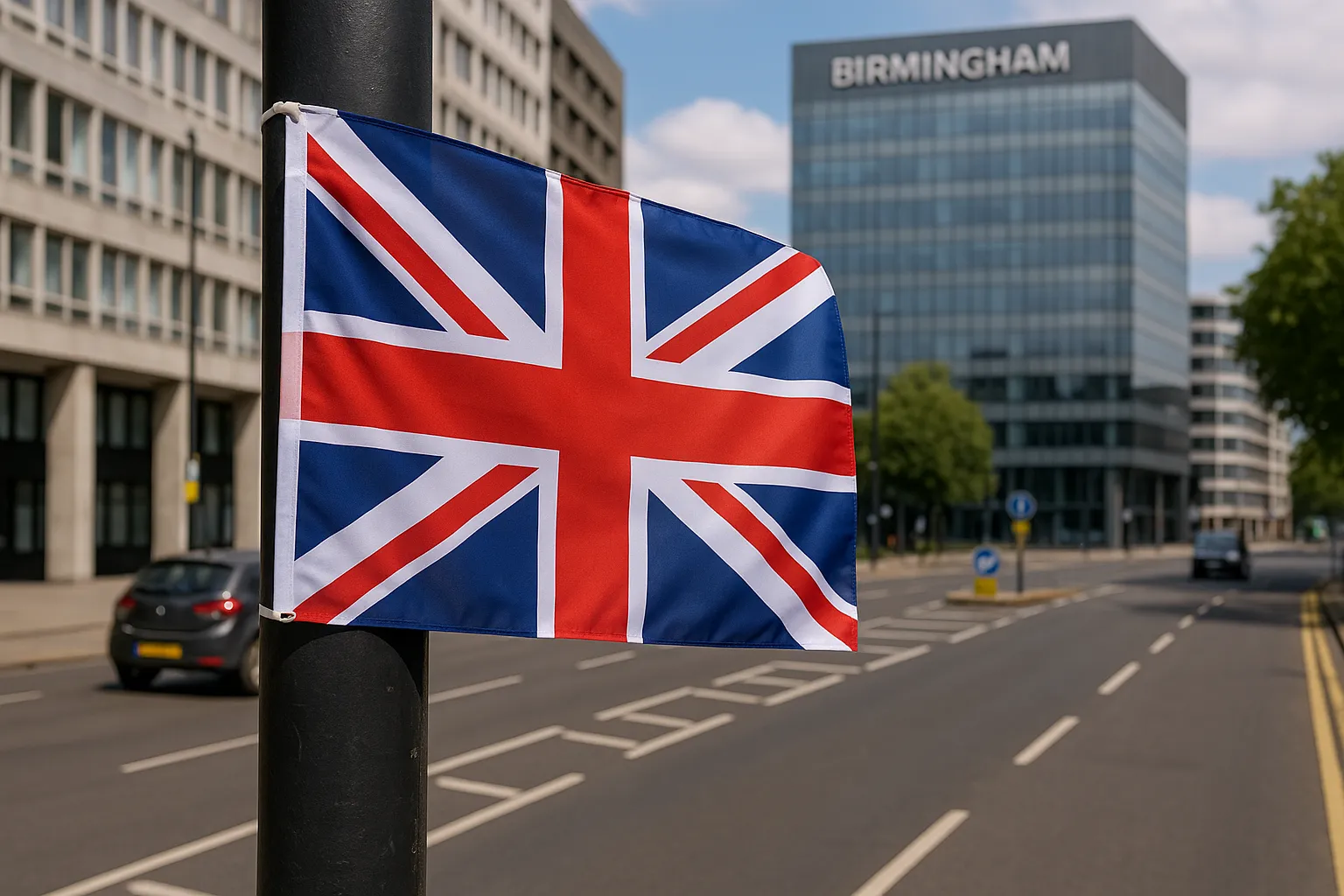
Plans are underway in Birmingham for the removal of approximately 20,000 flags placed on street infrastructure without proper consent, with projections estimating the effort could cost the city up to £2.6 million. This hefty figure is largely attributed to additional security measures and the requirement for night-time work, driven by concerns over potential harassment and intimidation faced by workers tasked with the removals, as outlined in recent court documents.
The Birmingham City Council’s highways contractor, Keir, has expressed reluctance to carry out the flag removal work, citing significant health and safety concerns arising from reports of threats and abuse directed towards their staff. Mark Shelswell, the council’s Director of Highways and Infrastructure, highlighted in his statements that a private company has estimated the removal cost to be £132 per flag. Therefore, the total expenditure for the initiative could reach £2.64 million.
Shelswell noted that such financial commitments are unsustainable for the council, especially under current fiscal pressures, as these funds would need to be diverted from other essential services. “These are resources we cannot afford,” he stated, indicating that the council is still grappling with its recovery from previous financial challenges.
Court documents filed by the council detail the ongoing effort to obtain an injunction aimed at halting the unauthorised flagging activities occurring across various neighbourhoods and major thoroughfares. A hearing regarding this application is scheduled for the High Court in Birmingham, with the date set for Tuesday, September 8th. The case involves seven defendants associated with the group Raise the Colours, alongside unspecified individuals placed under the label of ‘persons unknown,’ encompassing all who have unlawfully affixed flags to public highways.
Testimony included in the council’s submission asserts that Keir has refused to allow its workers to engage in flag removal due to escalating threats and intimidation. Their position reflects the broader safety concerns expressed by staff members, some of whom have reported feeling unsafe and, at times, hesitant to continue their work in handling the removal of flags.
The highway authority operates under the stipulations of Section 132 of the Highways Act 1980, which prohibits the attachment of items to public structures without lawful permission. Over the past 18 months, the city has seen a notable surge in the unlawful postings, particularly flags mounted on lampposts and other street furniture, a situation Shelswell describes as “unprecedented” and worsening.
“There are approximately 20,000 unauthorised flags installed across the city at present,” he remarked, elaborating on the “significant and sustained increase” in this phenomenon, which he believes will persist unless formal enforcement measures are initiated.
Efforts to remove the flags have frequently met with hostility, causing considerable challenges for the council’s operations. According to Shelswell, council staff and contractors have faced a “real risk of harm” working in such environments, creating substantial obstacles to the maintenance and enforcement of public safety standards. The council’s reluctance to proceed with removals previously underscores the urgency of addressing community safety concerns, with many staff expressing fear for their well-being.
Unfortunately, the availability of alternative contractors willing to tackle the flag removal was limited. The only firms prepared to undertake this work indicated that it would need to occur during night hours while ensuring security measures to protect their personnel.
Community dynamics around these flags are reportedly fraught, with rising tensions stemming from varying perspectives on their presence. Mohammed Khan, the council’s community safety partnership manager, clarified that the council seeks to uphold neutrality in the matter. The injunction requested aims to prohibit the display of any flag upon street infrastructure unless proper authorisation has been granted.
The context includes incidents where flags, including those depicting Palestinian symbols, have been reported, adding greater complexity to public sentiment and inter-community relations. Khan noted that confrontations with those installing the flags have escalated to instances of aggression and intimidation, contributing to a climate of fear among local residents.
West Midlands Police have also highlighted the impact of ongoing flag-related incidents, stating that their resources have been excessively taxed by the need to manage these confrontations and maintain public order. Sgt Gareth Sankey of West Midlands Police noted that the situation has evolved beyond simple issues of flag placement to encompass serious allegations including intimidation and public disorder.
Representatives from various political backgrounds in Birmingham have voiced their concerns over the contentious flagging issue, including Liberal Democrats and Green Party officials. In response to the projected £2.6 million cost for the flag-removal initiative, the council’s Reform UK group has condemned the plan.
Councillor Rajbir Singh, the group’s shadow cabinet member for finance, critiqued prioritising the flag removal operation over essential community services in light of Birmingham’s ongoing struggles to address financial deficiencies. Singh argued that funding a city-wide operation for flag removal could divert crucial resources from other operational areas, such as highway maintenance.
The Reform UK statement also underlined that while genuine safety concerns due to threats and intimidation must be taken seriously, responses should not equate to an expensive campaign against residents expressing pride in national symbols. Their call insists on distinguishing between individual misconduct and the broader context of community expression.
As the council prepares for the upcoming court hearing, the outcome may significantly shape not only the immediate future of the unauthorised flags but also the broader community interactions surrounding this contentious issue. The complexities of enforcement, community sentiment, and safety will continue to play pivotal roles as Birmingham navigates these challenges.
Our Thoughts
To avoid the escalation of this situation, Birmingham City Council should have implemented a proactive communication strategy to engage with the community before the flags were put up, explaining the legal and safety implications of unauthorized flagging. Enhanced security measures and risk assessments could have been part of a systematic response to community concerns, thus reducing hostility.
The primary health and safety lesson here is the critical importance of assessing workplace risks, including potential threats from the public, as outlined in the Health and Safety at Work Act 1974. The council and contractors should have adhered to the duty of care, ensuring the safety of workers conducting removal operations.
The flagging activities likely breached Section 132 of the Highways Act 1980, which prohibits unauthorized items on the highway. Additionally, intimidation of workers contravenes the Protection from Harassment Act 1997, as it creates a hostile work environment.
To prevent similar incidents, councils should establish clear guidelines and community engagement protocols for handling public expressions related to national symbols, alongside solid enforcement mechanisms for unauthorized flagging, coupled with adequate safety provisions for staff involved in such operations.