












Story Highlight
– NHS Grampian fined £70,000 for patient care failings.
– Patient with special dietary needs died from aspiration pneumonia.
– Chief executive apologized to the patient’s family.
– Significant changes implemented to improve patient safety.
– New roles and training introduced at Aberdeen Royal Infirmary.
Full Story
NHS Grampian has announced a series of substantial reforms following the tragic death of a patient with specific dietary needs who, on two occasions, was provided with unsuitable food options. The situation has drawn significant attention as it raises concerns regarding patient safety and the implementation of nutritional protocols within hospitals.
In a recent hearing at Aberdeen Sheriff Court, the health board faced serious scrutiny, culminating in a £70,000 fine after acknowledging their lapses in health and safety regulations associated with the care provided to 89-year-old Patrick Brogan. Mr. Brogan passed away in January 2024 from aspiration pneumonia, a condition that arose due to complications from his dietary mismanagement.
Laura Skaife-Knight, the chief executive of NHS Grampian, expressed deep regret over the incident, extending her sincerest apologies to Mr. Brogan’s family during an official statement. “At the heart of healthcare is a commitment to provide safe, compassionate and effective care to every patient. On behalf of NHS Grampian, I apologise unreservedly to Mr Brogan’s family that our failings contributed to this tragic outcome,” she stated. This acknowledgment of responsibility highlights the critical need for ongoing improvements in patient care protocols.
In her comments, Skaife-Knight conveyed a commitment to addressing the failings that led to Mr. Brogan’s death. “While I deeply regret that I cannot change what happened in this case, I am committed to maximising our learning from our shortcomings and to improving the safety and quality of care for our future patients.” This pledge reflects a determination to foster a culture of safety and accountability within NHS Grampian.
In response to the unfortunate events, NHS Grampian has initiated a thorough review of its policies and procedures relating to dietary management for patients. The board has already executed a number of significant changes aimed at mitigating the risks of such incidents occurring in the future. Notably, a new role of Mealtime Coordinator is being implemented across all adult inpatient areas at Aberdeen Royal Infirmary. This position is expected to enhance oversight during meal service, ensuring that patients receive food that meets their specific dietary requirements.
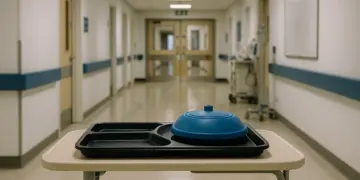
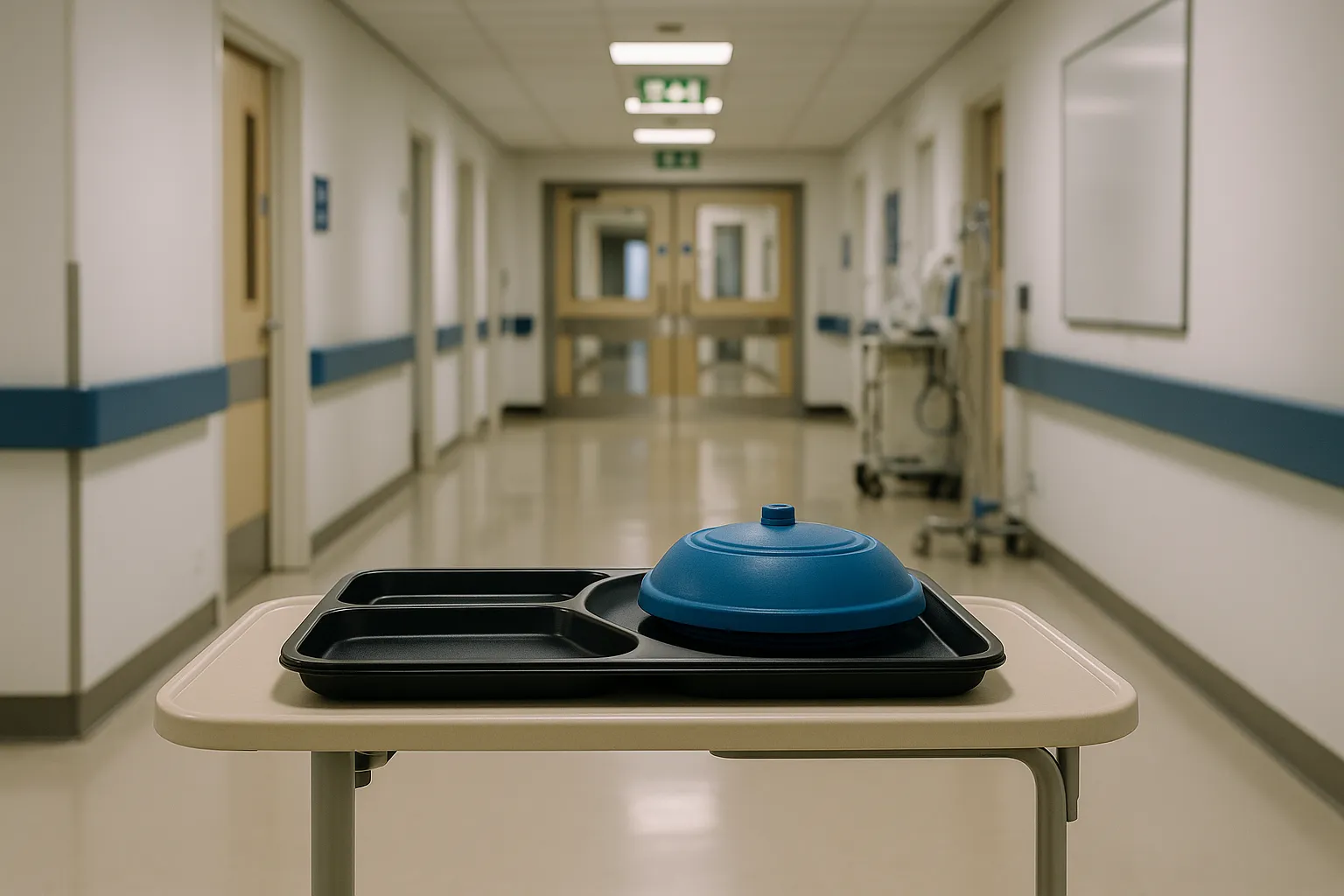
Additionally, the introduction of a colour-coded tray system is among the pivotal changes instituted. This system is designed to provide clear visual cues for staff, assisting them in identifying dietary restrictions at a glance, thereby reducing the probability of errors regarding food provision. Furthermore, NHS Grampian is emphasising the urgency of strengthening nursing handovers, a crucial element that impacts continuity of care, particularly during meal times.
Training for staff will also see significant enhancements as part of the health board’s comprehensive strategy for improvement. By investing in staff education, NHS Grampian aims to equip healthcare professionals with the necessary skills and knowledge to better manage dietary needs and ensure patient safety. These efforts underline the board’s commitment to fostering a safe environment in which patient care is prioritised and protected.
The case has resonated across the healthcare community and has sparked broader discussions on the importance of meticulous attention to dietary needs in inpatient care. Experts have emphasised that the consequences of neglecting such requirements can be severe, particularly for vulnerable populations, such as the elderly or those with pre-existing health conditions.
Healthcare professionals and patient advocates have expressed hope that NHS Grampian’s response could serve as a model for other institutions confronting similar challenges. Engaging with local patient groups and stakeholders in the aftermath of this incident could strengthen public trust and reinforce the commitment to safety and quality in healthcare delivery.
Mr. Brogan’s passing is a stark reminder of the potential repercussions of systemic failures in healthcare settings. His family, grappling with the loss, has received condolences from NHS Grampian as well as a commitment to ongoing reforms that could potentially prevent similar tragedies from occurring again.
As NHS Grampian navigates this critical juncture, the focus on learning from adverse events will be crucial in promoting a culture of safety where patient well-being remains the cornerstone of healthcare services.
In summation, the incident involving Patrick Brogan at Aberdeen Royal Infirmary has prompted NHS Grampian to take significant corrective measures aimed at improving patient care and safety. With the introduction of revised roles, systems, and training protocols, the health board appears to be taking proactive steps to ensure that such tragic lapses do not recur in the future. The necessity for robust patient dietary management and improved communication among staff has never been clearer.
Our Thoughts
The incident involving NHS Grampian highlights several critical health and safety failings. To prevent such occurrences, stricter adherence to the Health and Safety at Work Act 1974, which mandates that employers ensure the health and safety of their employees and patients, is crucial. Additionally, the Management of Health and Safety at Work Regulations 1999 requires thorough risk assessments, specifically regarding patient dietary needs, which appears to have been neglected in this case.
Key safety lessons include the necessity for clear communication regarding dietary requirements and robust staff training on food handling and patient care. The introduction of a Mealtime Coordinator and a color-coded tray system is a step in the right direction; however, regular audits and accountability measures are essential to ensure compliance with these new protocols.
To prevent similar incidents, it is vital to foster an organizational culture that prioritizes patient safety, alongside continuous monitoring of compliance with health and safety regulations. Enhancing interdisciplinary communication and implementing systematic checks before meal service can significantly reduce the risk of serving inappropriate food.