










Story Highlight
– NHS faces severe shortages of vital medicines.
– Two specific drugs will be out of stock for weeks.
– Medicines include vital antidepressants and stroke prevention drugs.
– Pharmacists warn of serious risks to patient safety.
– Demand for emergency government intervention to resolve shortages.
Full Story
Britain is grappling with a significant crisis in the availability of NHS medicines, with shortages reaching alarming levels. Recent alerts from health officials indicate ongoing problems with essential medications, particularly an anticoagulant used to prevent strokes and a widely-prescribed allergy treatment. Experts predict that certain dosages of these drugs will be unavailable for weeks, leaving affected patients in a precarious situation.
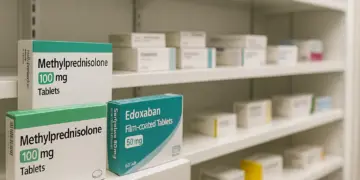
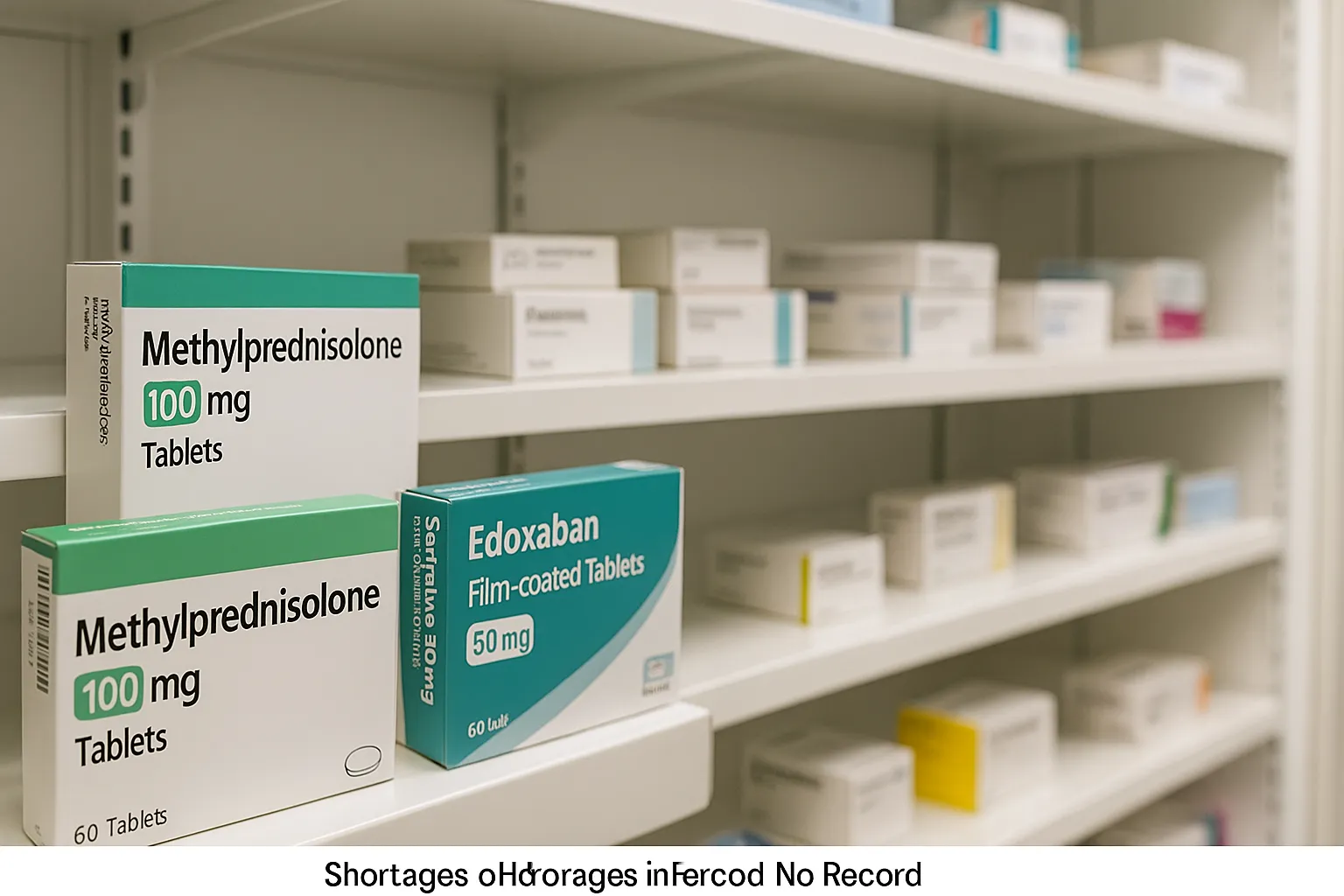
The Department of Health and Social Care (DHSC) outlined two specific notifications earlier this week regarding the supply issues of methylprednisolone and edoxaban, signalling a broader trend of medicine shortages that has unfortunately gained momentum throughout the year. An additional antidepressant has also been projected to be out of stock across the UK until at least November, compounding concerns for those dependent on these treatments.
Pharmacists are voicing serious alarm over the drug shortage crisis, noting that it poses a critical threat to patient health and safety. The National Pharmacy Association (NPA) has consistently highlighted the dangers associated with medicine shortages, with recent findings suggesting widespread unease among professionals in the sector.
The Royal College of General Practitioners (RCGP) has echoed these sentiments, emphasising the profound impact that shortages are having on patients, general practitioners, and pharmacy operations. The issues extend beyond mere inconvenience; they introduce risks to patient wellbeing as doctors are forced to navigate altered prescriptions due to the unavailability of necessary drugs.
As of the end of August 2023, the NHS price concessions list encompasses 230 medications, reflecting the scale of the shortages. This list is indicative of how medication procurement operates within the NHS, where pharmacies are reimbursed a standard fee for each medicine dispensed. In instances where market prices soar above these tariffs, pharmacists are left struggling to obtain the requisite stock at viable prices, leaving them unable to offset expenses.
The situation is aggravated by escalating global prices in the pharmaceutical market, combined with government funding not aligning with these rising costs. Consequently, when prices leap above the set reimbursement rate, pharmacies often dispense medications at a financial loss, which creates a frustrating cycle that further limits their ability to stock essential medicines.
Among the medications currently experiencing shortages are multiple categories including cardiovascular treatments, mental health medications, gastrointestinal therapies, and various types of analgesics. The list of drugs affected includes essential cardiovascular treatments like ACE inhibitors, mental health medications such as antidepressants, and a host of gastrointestinal drugs used for managing conditions like irritable bowel syndrome.
Recent data from the NPA indicates that pharmacists are dedicating substantial time and effort to sourcing these scarce medications, all while patients experience delays and distress over their inability to access necessary treatments. A survey conducted by the NPA revealed that an overwhelming 96% of pharmacists feel that the current medicine shortage poses serious risks to the safety of their patients.
The DHSC’s mechanism for addressing these procurement challenges involves instituting price concessions when drugs cannot be sourced at or below the Government’s established reimbursement price. However, the challenges surrounding medicine availability are exacerbated by the necessity of frequent updates to the price concessions list, with 114 medications appearing across two consecutive months, signalling a substantial and ongoing crisis.
Pharmacy staff are increasingly finding themselves on the frontline of this emergency, with many reporting aggressive behaviour from frustrated patients unable to obtain their prescribed medications. Alarmingly, 83% of pharmacy teams noted instances of abuse related to medication unavailability, revealing the emotional toll of the situation on healthcare professionals, as well as the patients they serve.
Prominent voices within the pharmacy community are advocating for urgent action to resolve the situation. Olivier Picard, chair of the NPA, articulated the challenges facing both patients and pharmacists, stating, “It is deeply distressing to find patients who have travelled from pharmacy to pharmacy to find the medicines they need without success.” Picard has called on the government to establish an emergency taskforce to address these shortages comprehensively and to amend existing legislation that hinders pharmacists from making safe substitutions for unavailable medicines.
Dr Leyla Hannbeck, CEO of the Independent Pharmacy Association, also highlighted the gravity of the situation, indicating that community pharmacies are experiencing unparalleled shortages across a spectrum of medications, including vital treatments for conditions like hypertension and cancer. She revealed the lack of response from government officials regarding their prior warnings, signalling a concerning disconnect between healthcare professionals and policy-makers.
Local pharmacy owners have echoed the sentiments of their national representatives. Graham Jones, who oversees Shrivenham Pharmacy in Oxfordshire, shared that the current shortage represents the worst he has ever encountered in his career. This reflects a growing consensus among pharmacy practitioners that the issue is pervasive and worsening, requiring immediate intervention at all levels of the health system.
The implications of these shortages extend beyond individual patients; they signal systemic challenges within the NHS’s medication supply chain that necessitate thorough examination and strategic responses. As the crisis unfolds, the focus remains on safeguarding patient health and ensuring that essential treatments are accessible to all who need them.
Our Thoughts
To avoid the current NHS medicine shortages, several key actions could have been implemented. Firstly, a proactive approach to supply chain management is crucial, ensuring that pharmacists can source medications at sustainable prices, thus preventing financial losses that limit stock availability.
Secondly, amending existing UK legislation to allow pharmacists to make safe substitutions for out-of-stock medications would greatly reduce patient delays and potential health risks. This aligns with the Health and Safety at Work Act 1974, which requires employers to ensure the health and safety of their employees and the public.
Furthermore, increasing government collaboration with pharmaceutical manufacturers to address the root causes of price surges and supply disruptions could stabilize the market. This may involve adhering to the Medicines and Healthcare products Regulatory Agency (MHRA) guidelines, which emphasize drug quality and availability.
Educating patients about potential alternative medications could also mitigate frustration and concern. Lastly, setting up an emergency taskforce, as suggested by pharmacy representatives, could facilitate rapid responses to acute shortages.
The failure to implement these strategies reflects non-compliance with both the Health and Safety at Work Act and the Medicines Act, endangering public health through inadequate access to essential medications.