













Story Highlight
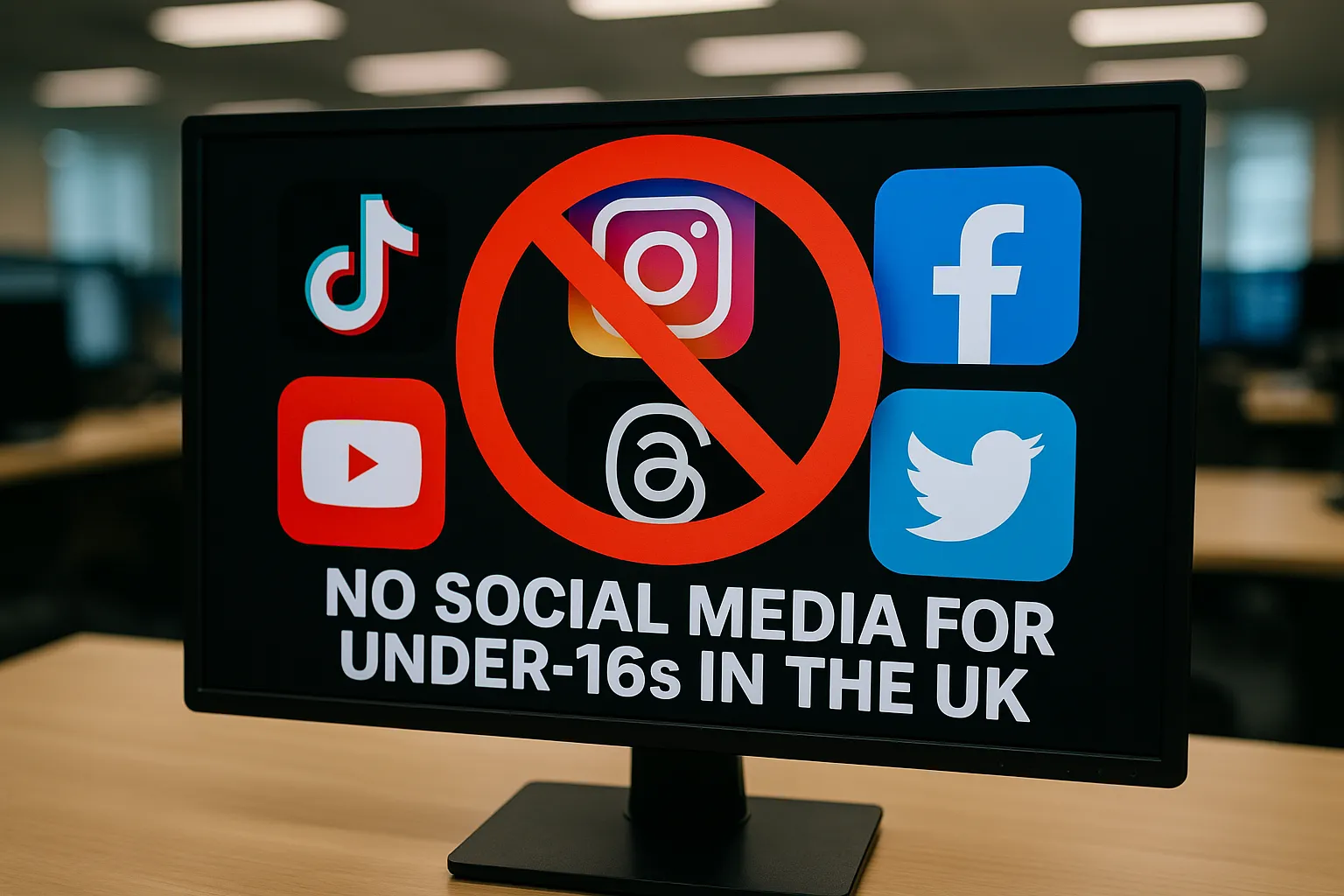
– UK bans social media for under-16s, effective Spring 2027.
– Prime Minister emphasizes children’s online safety concerns.
– Consultation showed 91% of parents support age increase.
– Critics argue ban won’t address deeper online safety issues.
– Scottish Government seeks clarity on implementation and accountability.
Full Story
**New Regulations to Restrict Social Media Access for Under-16s in the UK**
In a significant policy shift aimed at enhancing the safety of children online, Prime Minister Sir Keir Starmer has announced a radical plan to restrict access to social media platforms for individuals under the age of 16. This move, which closely follows Australia’s approach to social media usage among minors, is part of broader reforms designed to safeguard young people’s online experiences.
Speaking from Downing Street on 15 June 2026, Sir Keir emphasized the need to “call time on a system that’s failing our kids.” The new regulations will necessitate that a range of popular social platforms—including TikTok, Instagram, Facebook, YouTube, and others—raise their minimum age requirements to 16. This decision follows a comprehensive government consultation that revealed strong public support for such measures.
In his address, the Prime Minister acknowledged the mixed benefits of social media but firmly stated that its potential risks to young people outweigh those advantages. “A full ban is the right choice,” he maintained, underlining his perspective as a parent concerned about the well-being of children engaged with these platforms. He expressed disappointment regarding the perceived safety of social media environments, stating, “Do we truly believe that social media creates a happy environment… where they feel safe? I don’t think I need to answer that.”
Drawing attention to the adverse effects of social media on children, Starmer pointed out that these platforms often contribute to mental health issues and can lead to addictive behaviours. He addressed the need for a cautious approach, stating, “It’s designed to be addictive. It stops children doing their homework, reading, playing with their friends outside.”
While the implementation of this social media ban presents enforcement challenges, Starmer reassured parents that the government is thoroughly prepared to tackle these concerns. He highlighted the alignment of this initiative with previous governmental efforts, particularly referencing the Online Safety Act, to ensure comprehensive understanding and actionable methods to combat the risks posed by online interactions. “Building on our work with the Online Safety Act, we do have understanding of this issue. We are ready and confident that this ban can be effective,” he affirmed.
The proposal emerged from a consultation process that garnered an exceptional response of 116,000 contributions, marking it as one of the largest of its kind. The findings revealed that 91% of parents were in favour of raising the age limit to 16, while an overwhelming 83% believed that the dangers of social media outweigh the potential benefits for children.
However, the implications of this legislation extend beyond mere age restrictions. Extra measures will target features deemed high-risk, including interactions with strangers on gaming platforms and restrictions on sexual or romantic interactions with AI chatbots. The Prime Minister’s proposals aim to provide children with an elevated level of protection as they navigate the digital landscape.
While experts like Sir Keir present stern advocates for these changes, concerns exist regarding the potential for social exclusion among younger users. Research indicates that 62% of children surveyed believe limiting risky features will enhance their safety, yet 72% expressed worries about being left out socially if restrictions are imposed.
“To keep kids safe online is one of the biggest debates of our time,” Starmer concluded, reiterating the urgency of decisive action. This initiative not only represents a shift in policy but also signals a broader societal commitment to ensuring the protection of future generations.
Starmer’s announcement follows recent controversies surrounding the government’s stance on technological regulation, particularly as it comes on the heels of a challenging period for his leadership. Following a disappointing outcome in recent local elections and high-profile resignations within his cabinet, questions loom about Starmer’s political future.
The opposition, particularly members of the Conservative Party, have responded critically to the government’s about-face, alleging that the Labour Party had previously neglected the issue. “It’s shameful that it’s taken the Prime Minister’s job to be on the line for the Government to finally U-turn and ban social media for under-16s,” remarked Tory shadow education secretary Laura Trott.
There are reservations regarding whether a blanket ban is the most effective answer to social media’s risks. The Molly Rose Foundation, an organisation set up in memory of a teenager who took her life after being exposed to harmful online content, suggests that prohibitions do not adequately address the underlying issues posed by social media platforms. Chief executive Andy Burrows stated, “A majority of children will continue to use high-risk sites that will have no incentive to implement robust protections.”
Moreover, Labour’s Feryal Clark expressed apprehension that children should not be deprived of access to valuable educational resources available on social media. “High-quality, creator-led educational video content is a critical public resource and is not the same thing as social media,” she stressed, urging that any legislative action must consider this significant distinction.
Further complicating the conversation, the Scottish Government has called for additional clarity surrounding the proposed measures. Siobhian Brown, Minister for Children and Young People, welcomed the policy but insisted on the importance of a comprehensive strategy to enforce accountability among social media companies to protect children adequately.
As the nation moves closer to implementing these reforms, society awaits the substance of the government’s promised regulations and the wider impact on children’s online safety and social engagement. The initiative marks a pivotal point in the conversation about how to balance the benefits and risks of digital interaction for younger users, with many anticipating further developments on how this plan will unfold in practical terms.
Our Thoughts
The announcement of a ban on social media for under-16s highlights significant gaps in current online safety approaches and enforcement. To avoid potential challenges in enforcing this ban, clear age verification mechanisms need to be established, adhering to the provisions set out in the Online Safety Act. Additionally, ongoing education programs for both children and parents about online safety could complement legal measures, promoting digital literacy and responsible usage over prohibition.
Key safety lessons involve the necessity of comprehensive risk assessments and stakeholder engagement with tech companies, ensuring they implement effective safety measures rather than relying solely on legislative action. Regular reviews and updates of safety protocols are essential to reflect technological advancements. The article hints at possible breaches of the Health and Safety at Work Act 1974, as adequate measures to protect young users from harmful online content have not been effectively enforced.
To prevent similar incidents, a balanced approach that includes regulating content rather than enforcing outright bans would be essential, encouraging companies to design safer platforms while still providing valuable educational resources.