













Story Highlight
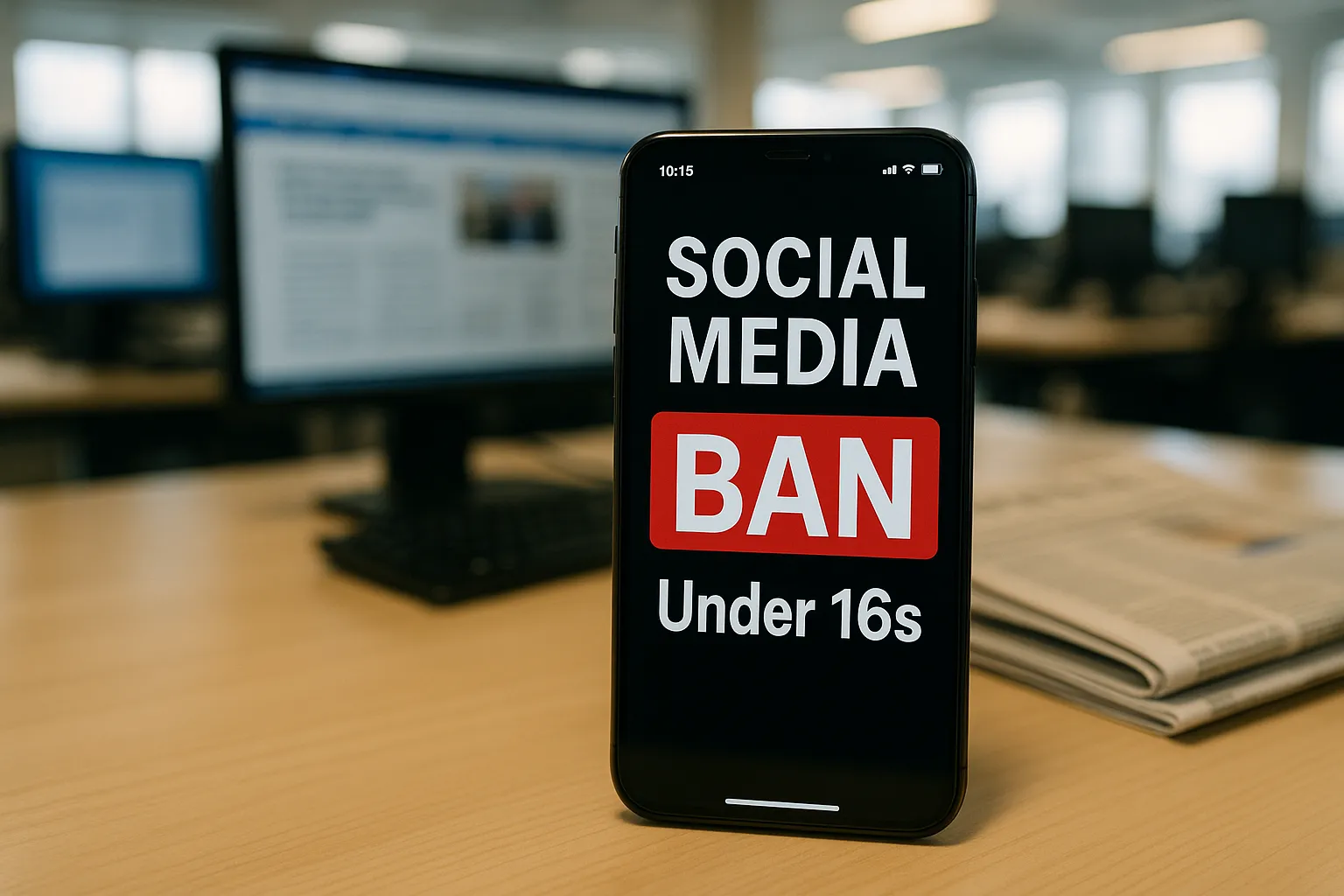
– UK plans to ban social media for under-16s by spring.
– Prime Minister cites child safety and mental health concerns.
– Tech firms warn ban may push kids to unregulated spaces.
– Critics argue enforcement challenges and potential ineffectiveness.
– Government exploring age checks and enforcement measures.
Full Story
Proposals to restrict access to social media platforms for individuals under the age of 16 in the UK are poised to become a reality by spring 2024, a significant development in child protection policy. This initiative has been met with enthusiasm from bereaved parents and advocates for child safety, who view it as a much-needed measure against the potential hazards that young users face in the online world.
Prime Minister Sir Keir Starmer made the announcement on Monday, articulating the necessity of such a ban in light of growing concerns regarding the mental health of children and their exposure to harmful online content. Many campaigners, including those connected with the Molly Rose Foundation—established in memory of 14-year-old Molly Russell, who tragically took her life in 2017 following exposure to distressing content—expressed gratitude for the initiative, highlighting the urgent need for action to protect vulnerable users.
While the Prime Minister’s announcement has received applause from advocates, some technology firms are voicing concerns. They argue that a blanket prohibition may inadvertently channel minors into less regulated and potentially more hazardous corners of the internet. Critics within the online safety sector have echoed these sentiments, including representatives from the Molly Rose Foundation, who contend that without addressing the fundamental design flaws of platforms—such as harmful content being amplified through personalised algorithms—the ban might serve as a superficial solution.
During the announcement, Sir Keir Starmer stressed the importance of safeguarding the childhood experience for young people, reiterating that he is unwavering in his commitment to ensuring their safety and happiness. He did, however, acknowledge that some may seek ways around the restrictions, stating his determination to protect children from online dangers. The ban is framed as a response to alarming evidence suggesting that social media can exacerbate mental health issues and adversely affect children’s well-being.
Expected to be formalised by Christmas, the planned restrictions will place the onus on technology companies to enforce age limits, thereby shifting liability away from children. The initiative also includes measures to prevent minors from engaging in conversations with adults on gaming and streaming platforms. Further details about proposed features such as “infinite scrolling” breaks and potential overnight curfews for under-18s are anticipated in the coming weeks.
Sir Keir Starmer’s proclamation, “We are banning social media access for under-16s,” encapsulates the government’s proactive stance in addressing the pervasive influence of technology on youth. At a Downing Street press conference, he conveyed a sense of urgency, asserting that parents universally observe the negative impact of online interactions on their children. He condemned social media as a facilitator of bullying and harassment, expressing the belief that such environments could ultimately harm children’s mental health by exposing them to alarming content designed to capture attention.
The planned ban targets well-known platforms including Snapchat, TikTok, YouTube, Instagram, Facebook, and X. Notably, messaging applications such as WhatsApp and Signal are not included in this restriction. Furthermore, Sir Keir indicated that platforms aimed at children, like YouTube Kids and educational resources, would remain unaffected.
Reflecting on similar legislation implemented in Australia, concerns have been raised about enforcement efficacy, with some Australian youth reportedly employing virtual private networks (VPNs) to circumnavigate restrictions. To counter this, the UK government plans to implement highly-effective age assurance measures, which may involve facial recognition technology, photo identification verification, or bank account checks in alignment with guidance from the regulator Ofcom.
In drawing parallels to underage drinking laws, Sir Keir reasoned that attempts to limit access should not be abandoned simply because some may evade rules; rather, enforcement procedures should be strengthened. This analogy highlights the complexity of regulating digital spaces akin to traditional public health concerns.
The announcement has sparked diverse reactions among child welfare groups. The NSPCC lauded the decision as a monumental advancement in child safety, demanding that comprehensive age verification systems and robust enforcement mechanisms be integrated into the new regulations. However, some experts, such as Save the Children UK’s senior adviser Jeffrey Demarco, caution that an outright ban might merely divert children to less monitored realms of the internet, where seeking help in troubling situations could become increasingly unlikely.
Significantly, England’s Children’s Commissioner, Dame Rachel de Souza, voiced her approval of the proposed measures but expressed the necessity of including all individuals under 18. She emphasised that the focus should shift from restricting access for children to holding companies accountable for their commitments to ensuring child safety.
Meanwhile, organisations like Girlguiding have underscored the need for continued discourse surrounding young people’s safety in digital environments, highlighting that legislative measures should extend into deeper explorations of the root causes of online harms.
Political responses have also emerged, with Tory leader Kemi Badenoch characterising the ban as a crucial step forward, yet suggesting that Sir Keir’s decision represents a reversal from previous resistance towards instituting such regulations. Reform UK’s Nigel Farage commented on the good intentions behind the initiative but expressed scepticism regarding its effectiveness amid widespread adoption of VPN technology, warning of the potential for an indirect introduction of digital identification systems.
As the debate surrounding the implications of social media on youth continues, it remains to be seen how the government will implement these new regulations and whether they will achieve the desired outcomes in safeguarding the mental health and overall well-being of young users in the UK.
Our Thoughts
The proposed ban on social media for under-16s in the UK raises significant health and safety concerns, particularly regarding the mental well-being of children exposed to harmful online content. To enhance safety, the government could enforce stricter regulations on tech companies to ensure they implement robust age verification and content moderation systems, thus increasing their accountability under the Online Safety Act 2022. This legislation mandates that platforms must take steps to protect children from harmful content and ensure user safety.
Key lessons include the necessity for technological resilience rather than blanket bans that may inadvertently push children towards less regulated online environments. Companies should adopt product safety measures concerning algorithm management to prevent the promotion of harmful content. Strengthening collaboration between regulators and tech firms could ensure compliance with health and safety standards and foster an environment that prioritizes child safety.
Furthermore, a multi-faceted approach, including continuous stakeholder engagement and education about digital literacy for both children and parents, would be beneficial in preventing similar incidents. Overall, a focus on creating safe online spaces through proactive measures would be more effective than imposing broad restrictions.