









Story Highlight
– James Welsh criticizes anti-sunscreen wellness influencers.
– Melanoma cases in the UK reach record levels.
– Social media spreads misinformation about sun safety.
– Young people increasingly use tanning beds irresponsibly.
– Recommendations include better education and UV safety measures.
Full Story
James Welsh, a prominent beauty and skincare YouTuber with over 1.5 million subscribers, has expressed his frustration towards the rising trend of “wellness” influencers who dismiss the importance of sunscreen. His latest video, titled “Why Do Wellness Influencers Fear Sunscreen More Than Skin Cancer?”, tackles the alarming behaviour of some social media figures who are discarding sun cream and encouraging their followers to follow suit. This disconcerting trend comes against the backdrop of Welsh’s involvement in an all-party parliamentary group discussion on the increasing incidence of skin cancer in the UK.
Recent statistics from Cancer Research UK have illustrated a disturbing rise in melanoma cases, marking a significant public health concern. For the first time, diagnoses of this dangerous form of skin cancer have surpassed 20,000 annually, with approximately 2,600 fatalities reported each year—a statistic that translates to seven deaths daily. While it is widely acknowledged that the vast majority of skin cancers are preventable, the reasons behind this upward trend are complex.
One primary contributor to this increase is demographic change; the UK population is both expanding and ageing, leading to a higher overall cancer incidence. Dr Rachel Orritt, a health information manager at Cancer Research UK, points out that many cancers, including melanoma, predominantly affect older individuals. The cumulative damage from UV exposure accumulates over time, escalating the risk of melanoma as people grow older. However, Dr Orritt notes that this explanation alone does not account for the dramatic rise in cases.
The past few years have seen shifting societal attitudes towards sun exposure, with some individuals embracing tanning as fashionable. The resurgence of nostalgia for Y2K aesthetics has introduced a troubling revival of tanning trends. Modern technology has enabled the use of tanning applications that assist users in optimising their sun exposure, while instructional videos promote the creation of intentional tan “tattoos” through strategic sunbathing. The resurgence of tanning beds has only intensified this issue; Dr Amy Perkins, a consultant dermatologist and spokesperson for skin cancer charity Skcin, highlights an alarming trend of young adults in their twenties being diagnosed with melanoma, often attributed to their regular use of sun beds.
The World Health Organization categorises both UV radiation from the sun and tanning beds as group one carcinogens, placing them alongside recognised hazards such as tobacco and asbestos. Yet, a significant number of young people remain uninformed about these risks. Although it is illegal in the UK for under-18s to access tanning beds, a lack of stringent ID enforcement has resulted in underage individuals gaining entry, with surveys indicating that over one-third of 16- to 17-year-olds have utilised tanning facilities.
Dr Perkins emphasises the importance of understanding that any alteration in skin tone is a signal from the body indicating potential damage. A single blistering sunburn during childhood more than doubles the future risk of developing melanoma. The statistics appear staggering; sunbed use increases one’s risk of melanoma by 20%, and using a tanning bed before the age of 35 escalates that risk by an alarming 59%. Misinformation surrounding tanning persists, leading some individuals to seek a tan for social validation.
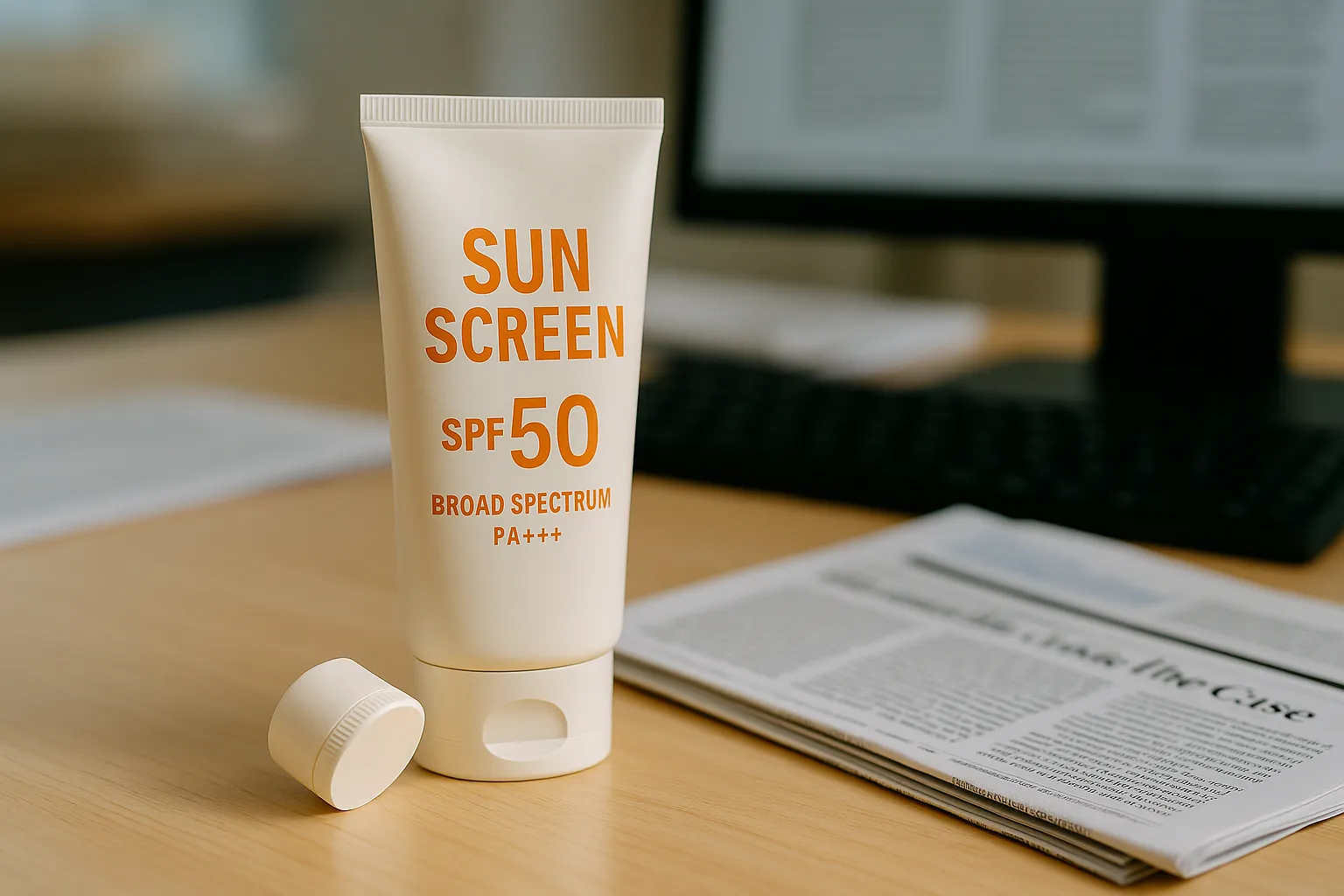
The growing narrative against sunscreen is troubling. Public figures and influencers have been vocal about their disdain for sun protection, engendering a dangerous “anti-sunscreen” trend. Thorrun Govind, a pharmacist and healthcare commentator, notes the alarming fact that only about 4% of dermatological content on social media is produced by qualified dermatologists. This void has been filled by a mix of misleading influencers and individuals with questionable credentials who promote unhealthy practices.
In particular, some high-profile figures have made outlandish claims, suggesting that sunscreen is ‘toxic’ and that their families do not need it due to their alleged “tolerance” to the sun. These assertions lack any scientific grounding, yet they permeate social media, misleading the public. The concept that sunscreen usage inhibits vitamin D absorption has been sensationalised but, as research indicates, using sunscreen correctly does not significantly hinder vitamin D synthesis, given that most users do not apply it thoroughly or consistently.
The rampant dissemination of misinformation is exacerbated by social media algorithms that favour sensationalist content over factual, evidence-based information. As medical professionals like Govind point out, reliable healthcare perspectives often struggle to gain traction compared to the captivating narratives pushed by those seeking viral attention.
Moreover, societal constructs surrounding masculinity also feed into this detrimental mindset. Studies indicate that traditional masculine ideals can negatively impact men’s willingness to use sunscreen, perpetuating the notion that using sun protection is an unmanly choice. Dr Rakesh Anand, a consultant dermatologist, stresses the need to challenge these stereotypes to promote healthier skincare practices among men, who statistically face higher mortality rates from skin cancer.
Climate change further compounds these issues, with rising temperatures and increased outdoor activity leading to heightened sun exposure. With the concerning effects of climate change becoming more pronounced, the need for effective sun safety measures is growing ever more critical.
However, there are positive developments on the horizon. The all-party parliamentary group’s recent report offers several actionable recommendations, such as leveraging the Online Safety Act to hold social media platforms accountable for disseminating harmful misinformation. It also advocates for incorporating UV safety education into the secondary school curriculum to equip future generations with knowledge about sun protection.
Efforts by skin health charities like Skcin aim to educate young people about the myths surrounding tanning and sunscreen through targeted campaigns in schools. The push for policy initiatives such as eliminating VAT on sunscreen and banning tanning beds mirrors moves made by countries with effective skin cancer prevention strategies.
At an individual level, it is crucial for everyone to adopt effective sun protection habits, regardless of age. Dr Anand advises, “Protect your skin with sunscreens, avoid the sun between 11 am and 3 pm, check the UV levels – and if they’re over three, you need to be more careful.” The consensus among health professionals is clear: the majority of skin cancer cases are preventable, and a shift in societal attitudes towards sun safety is essential to curb this alarming trend.
Our Thoughts
To prevent the increase in skin cancer rates highlighted in the article, several actions could be taken to address the misinformation spread by influencers. Key safety lessons include the importance of proper education on the risks of UV exposure and the need for consistent messaging regarding sunscreen use. Regulations such as the Health and Safety at Work Act 1974 emphasize the obligation to ensure the safety and well-being of the public, which includes addressing harmful misinformation that could lead to health risks.
The article points to breaches in consumer protection and health-related advertising regulations, where misleading claims about sunscreen being “toxic” propagate risk. Further, enforcement of age restrictions on sunbed use could be strengthened to prevent underage access, which currently fails to meet legal obligations.
To reduce similar incidents, social media platforms should take responsibility for monitoring content to prevent the spread of dangerous myths. Implementing educational programs in schools about sun safety, as recommended in the APPG report, and reducing the financial burden of sunscreen by removing VAT could substantially improve public health outcomes and awareness.